

The AFL Draft of 2024 is shaping up to be a seismic event, with eleven clubs poised to redefine their futures through strategic selections and calculated trades. Amidst the backdrop of an unprecedentedly deep pool of talent, the race for the coveted number one pick is fiercely competitive, contrasting with the more settled hierarchy of previous years. From lightning-quick midfielders redefining centerfield dynamics to towering key position players promising to bolster ageing line-ups, this draft promises to reshape club fortunes for seasons to come. Fan fervor is at an all-time high as clubs juggle their immediate and long-term needs, leading to a flurry of trade whispers and player comparisons that ignite discussion across the nation.
As AFL teams analyze their recruitment priorities, the 2024 draft boards offer a rich tapestry reflecting diverse team strategies. Some focus on injecting raw midfield speed, others on securing mature, ready-made talent able to immediately impact the scoreboard. This November’s draft takes place against a backdrop of strategic trade deadlines and free agency periods, intensifying the stakes and the scrutiny on every pick. Clubs like Richmond and Fremantle head into the draft wielding multiple high-value selections, poised to capitalize on the strongest draft crop in years. Meanwhile, sides such as North Melbourne and Collingwood seek critical reinforcements in key position roles to address vulnerabilities exposed in recent campaigns.
Tracking the top 20 prospects reveals a dynamic, fluid leaderboard where players like Jagga Smith, Sid Draper, and Finn O’Sullivan inject compelling narratives into the draft conversation. Comparing these prospects through the lens of team needs and on-field roles deepens appreciation for the intricate AFL scouting structures at play. This article delves into how each club’s draft hand—their available picks and priority list needs—shapes their approach, offering a snapshot of the ever-evolving AFL landscape, and the thrilling promise of new stars set to emerge.
In brief:
- The 2024 AFL Draft features an exceptionally deep talent pool, raising the stakes for clubs across the competition.
- Top prospects like Jagga Smith and Sid Draper embody the blend of speed and toughness demanded by modern AFL teams.
- Trade periods and free agency movements before the draft will heavily impact draft strategy and player movement.
- Clubs are targeting very specific list needs, ranging from midfield speed to key position versatility and ready-made impact players.
- The draft board is open, with multiple live trades and potential “bolters” reshaping the traditional order of selection.
2024 AFL Draft Boards: Top 20 Prospects and Their Team Fit
The November 13 draft board displays an exceptional depth of prospects, with clubs doing their homework to match their specific recruitment needs. Jagga Smith, often highlighted as a leading contender for the number one pick, showcases impressive inside-outside midfield versatility and relentless competitive grit, traits prized by many teams seeking midfield rejuvenation. Smith’s blend of contested ball winning and offensive creativity draws frequent comparisons to established AFL stars, adding layers to draft analysis and recruitment narratives.
Nearby on the board, Sid Draper’s exceptional speed and agility set him apart as a pure midfield speedster, ideal for clubs like Adelaide and Melbourne who are actively seeking to inject pace and endurance into tired list bases. Draper’s SANFL exploits affirm his readiness to impact at the highest level, underscoring his top-five prospect credentials.
Moreover, prospects such as Finn O’Sullivan and Harvey Langford provide contrasting strengths: O’Sullivan impresses with elite marking and clean ball delivery outside the center square, while Langford blends power and ball-winning ability, offering teams like Richmond a compelling mix of leadership and on-field impact. Their draft comparisons provide recruitment officers with a nuanced palette to address complex team needs, particularly given the competitive nature of the top 30 selections.
- 1-5 Prospects: Jagga Smith, Sid Draper, Finn O’Sullivan, Harvey Langford, Sam Lalor
- Midfield Speedsters: Draper, Lalor, Smith
- Key Markers & Versatility: O’Sullivan, Langford, Armstrong
- Ready-Made Impact Players: Lalor, Armstrong
| Prospect | Primary Role | Strengths | Club Fits |
|---|---|---|---|
| Jagga Smith | Midfielder | Versatility, contested ball, leadership | North Melbourne, Richmond, Melbourne |
| Sid Draper | Midfield Speedster | Speed, agility, endurance | Adelaide, West Coast, Melbourne |
| Finn O’Sullivan | Key Position / Outside Mid | Marking, delivery, composure | North Melbourne, Richmond |
| Harvey Langford | Midfielder / Forward | Power, goal impact | Richmond, St Kilda |
| Sam Lalor | Midfielder / Forward | Physicality, scoring ability | Adelaide, Richmond, Melbourne |
This table highlights how team needs align with prospect strengths, illuminating the strategic nature of the draft boards. With clubs rarely willing to trade out of their top 30 picks without specific father-son or academy bids looming, the draft promises a flurry of live bid matching and strategic negotiations. Supporters can follow the intricacies of these moves through dedicated trade rumors and up-to-date free agency trackers that capture the pulse of the draft season’s high drama.
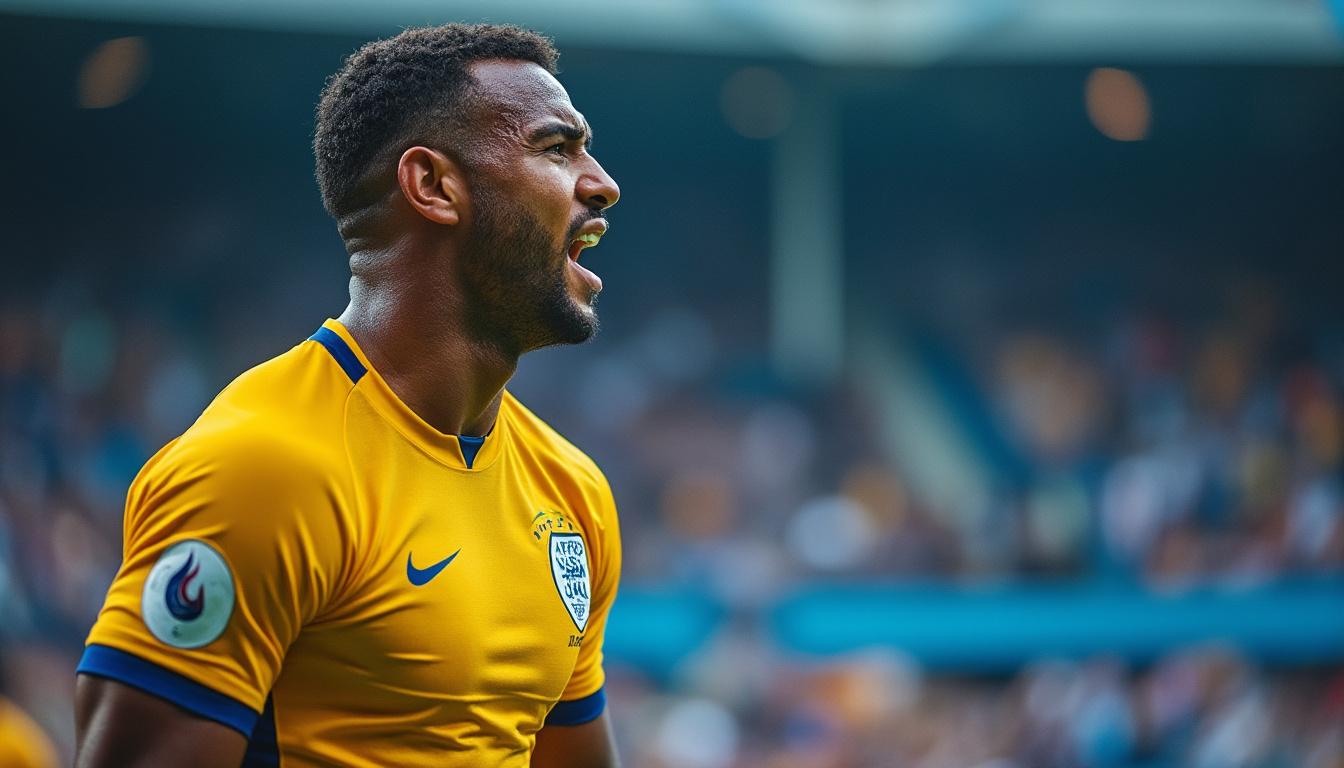
Team Needs: How AFL Clubs Are Shaping Their Draft Strategy
Every club enters the draft period with a focused intent to fill specific gaps identified during the season. The diversity in team weaknesses drives a compelling range of recruitment priorities.
Midfield Speed and Power: The Lifeblood of Modern AFL
Clubs like Adelaide, Melbourne, and West Coast are eyeing midfields that can blend raw pace with contested grit. Sid Draper is a darling for Adelaide, whose pick 4 holds immense value in a midfield-heavy top draft pool. Melbourne’s pick 5 offers a similar golden opportunity to snag a potent winger capable of breaking lines and replenishing the club’s midfield depth amid an ageing list. West Coast’s pick 3 positions them perfectly to chase a versatile midfielder who complements their emerging stars.
Key Position Talent: Addressing Aging Lists and Future Planning
North Melbourne and Collingwood each have glaring needs for key position players, pivotal to rebuilding efforts in defense and attack. North Melbourne faces the intricate decision to potentially trade back from pick 2 to accumulate more draft capital targeting future key forwards like Jonty Faull or Luke Trainor. Collingwood’s list reshaping focuses on younger key position prospects given their list’s advanced average age, highlighting draft selections between picks 30 and 50 as vital.
Ready-Made Talent: Blending Youth with Experience
Richmond and Brisbane are tiltng towards selections that offer immediate on-field impact to sustain premiership windows. Sam Lalor embodies such talent, blending size and scoring prowess, appealing to both clubs in need of physical midfielders who can contribute crucially inside 50. Brisbane also keeps a close eye on academy prospect Daniel Annable as part of long-term squad balance.
- Key Clubs and Needs:
- Adelaide: Midfield speed and agility
- North Melbourne: Key position depth
- Richmond: Ready-made midfield power
- West Coast: Versatile midfield replenishment
- Brisbane: Youthful impact players
| Club | Draft Picks | Primary List Need | Top Targeted Prospects |
|---|---|---|---|
| Adelaide | 4, 25, 42 | Midfield speed | Sid Draper, Sam Lalor |
| North Melbourne | 2, 22, 40, 58 | Key position talent | Jagga Smith, Finn O’Sullivan |
| Richmond | 1, 21, 29, 39 | Ready-made talent | Harvey Langford, Sam Lalor |
| West Coast | 3, 23, 59 | Midfield quality | Sid Draper, Jagga Smith |
| Brisbane | 14, 52, 68 | Youth injection | Levi Ashcroft, Daniel Annable |
These team-specific focuses underline how AFL clubs align their draft decisions with a broader view on list renewal and premiership windows. The strategic dynamics of the October trade storylines will add further intrigue to how these tactical needs translate on draft night, where precision in valuation and timing can redefine club trajectories.
Player Comparisons: Draft Analysis Insights and AFL Scouting Nuances
Player comparisons are a crucial element within AFL scouting and draft analysis. They provide a frame of reference for clubs and fans to understand how young prospects might project onto senior football, especially under the pressure cooker environment of professional leagues. The 2024 crop presents a fascinating mix of archetypes and play styles that echo current AFL stars and suggest potential career trajectories.
Midfield Comparisons: From Speed Demons to Powerhouses
Prospect Jagga Smith draws comparisons to elite midfielders known for their contested ball expertise combined with leadership presence. Sam Lalor’s explosive burst and goal-scoring ability resonate with fans of dynamic inside-50 players, while Sid Draper’s harrowing speed is reminiscent of the league’s elite wingers who consistently break lines and deliver forward thrust.
Key Position Players: Giants In The Making
Draft candidates like Jonty Faull and Luke Trainor are heralded as future pillars in key forward and defensive roles. Their injury setbacks have slightly tempered expectations but have not diminished the consensus on their potential high impact. Comparisons often extend to established players who similarly started with delayed AFL impacts but blossomed into reliable contributors.
- Key Player Comparisons:
- Jagga Smith – Leadership and contested ball mastery akin to Patrick Cripps
- Sid Draper – Speed and endurance like Andrew Gaff or Clayton Oliver
- Sam Lalor – Physical, goal-impacting midfielder reminiscent of Christian Petracca
- Jonty Faull – Tall forward potential reflecting Tom Hawkins
- Luke Trainor – Defensive presence with similarities to Jake Lever
| Prospect | Current Projection | Player Comparison | Potential Impact Timeline |
|---|---|---|---|
| Jagga Smith | High priority top 5 pick | Patrick Cripps | Immediate to 2 years |
| Sid Draper | Elite mid-draft speedster | Andrew Gaff | Immediate impact |
| Sam Lalor | Powerful mid-forward | Christian Petracca | 1-3 years, with scoring upside |
| Jonty Faull | Key forward top 50 | Tom Hawkins | 2-3 years post development |
| Luke Trainor | Emerging key defender | Jake Lever | 3 years |
Closely following these projections and comparisons offers fans and clubs a glimpse into the future shape of AFL teams, further enriching discussions around the scouting process and recruitment focus areas. For more nuanced draftee insights, the detailed draft prospect analyses provide comprehensive data, including physical metrics and highlight reels.
Live Draft Dynamics: Trade Period Outcomes and Their Impact on Selection Strategy
The 2024 trade and free agency period set the stage for a dramatic draft night, influencing clubs’ hands and shaping player availability. With over 70 picks anticipated, well above average drafts in post-COVID years, clubs are meticulous in maximizing their draft capital and aligning their selections with squad-building philosophies.
Trade Winners and Risks
Clubs like Richmond and Fremantle enter November with multiple first-round picks, holding the cards to execute aggressive draft strategies. Meanwhile, teams such as North Melbourne balance the dilemma of trading picks for quantity versus securing a top-tier prospect. Live trades on draft night are expected to blur initial draft boards, as teams jockey to convert assets into list-defining players or future capital.
Father-Son and Academy Bids
The father-son and academy system continues to influence pick strategies, leading to complex calculations where clubs must bank sufficient points to match bids, affecting who ultimately lands where. Brisbane and Gold Coast, in particular, illustrate this with potential academy bids on young talents like Levi Ashcroft and Leo Lombard.
- Trade Period Highlights:
- Richmond’s potential to pair Jagga Smith and Finn O’Sullivan mirrors past successful pairings like Rowell and Anderson.
- Gold Coast and Brisbane managing bids on academy prospects to retain future stars.
- North Melbourne’s options to trade back from pick 2 to accumulate multiple mid-first round picks.
- Collingwood focusing on younger key position players given the aging of their current starters.
| Club | Trade Position | Potential Trades | Draft Impact |
|---|---|---|---|
| Richmond | Multiple 1st round picks | Acquire North pick 2; possible multiple first-round choices | Opportunity to build a midfield pairing akin to historical models |
| North Melbourne | Pick 2 holder | Possibility to trade back for multiple selections | Rebalancing list depth with quantity over singular top talent |
| Gold Coast | Six early picks | Managing academy bids, trading picks for experienced talent | Balancing youth development with premiership window goals |
| Brisbane | Mid-second round and academy prospects | Consolidating picks to match bids on father-son prospects | Maintaining a premiership contending core with fresh stars |
To stay updated on trade outcomes and draft day decisions, regular tracking through resources such as the trade period winners and risks overview offers fans clarity on their club’s maneuvers and the ripple effects on draft strategy and player recruitment.
Building the Future: Rookie Draft Preparations and Long-term Club Planning
Beyond the headline-grabbing first-round picks, the rookie draft plays a critical role in deepening club lists and unearthing hidden gems. The 2024 rookie draft preparations emphasize clubs’ proactive ventures to identify players who can develop into key contributors over time, especially those overlooked in the main draft rounds.
For example, clubs are looking closely at players like Jayden Nguyen, a dashing NGA defender with promising signs, and are balancing immediate versus long-term recruitment needs. This approach highlights an intricate balance between fielding premiership-ready squads and securing future stars with high upside.
List managers and recruiters rely heavily on comprehensive AFL scouting and prospect rankings, constantly updated to reflect players’ evolving performances. These insights guide clubs’ second-day and rookie selections, ensuring that no stone is left unturned in the quest for talent.
- Rookie Draft Focus Areas:
- Physical attributes and development potential
- Positional versatility to cover list shortages
- Performance consistency at secondary competitions (VFL, SANFL)
- Club culture fit and leadership potential
| Player | Prospect Status | Key Traits | Potential Club Fit |
|---|---|---|---|
| Jayden Nguyen | Night two prospect | Speed, agility, defensive skills | Essendon, Fremantle |
| Logan Smith | Academy ruck prospect | Height, ruck craft, endurance | GWS Giants |
| Floyd Burmeister | Midfield depth | Ball-winning, endurance | Melbourne |
| Tobie Travaglia | Running defender | Dash, rebound skills | Carlton, Fremantle |
Fans keen to engage deeper with the nuances of the rookie draft and emerging talent should explore expert analyses such as the rookie draft preparations overview and trade reviews assessing how draft day decisions influence club trajectories well beyond the first round of selections.
How do clubs decide which prospects fit their list needs?
Clubs analyze their current list gaps, future player retirements, and key position vulnerabilities. They then align these needs with prospect skill sets, physical attributes, and development potential revealed through AFL scouting and performance data.
What impact does the father-son and academy bidding system have on the AFL Draft?
The father-son and academy bidding system allows clubs to match bids on eligible players to keep talent linked to their club’s history. This adds complexity to draft strategy, as clubs must allocate points and picks carefully, influencing the overall draft board.
Are there any standout sleepers or bolters in the 2024 AFL Draft?
Yes, players like Harry Armstrong and Jonty Faull have shown the potential to rise through the draft ranks despite injuries or late-career surges, making them key names to watch leading into the draft.
How do trades before the draft influence draft strategy?
Trades can significantly alter draft positions and available picks, allowing clubs flexibility to either accumulate more selections or target a specific top prospect. Trade outcomes ripple through the draft night decisions and player recruitment landscape.