
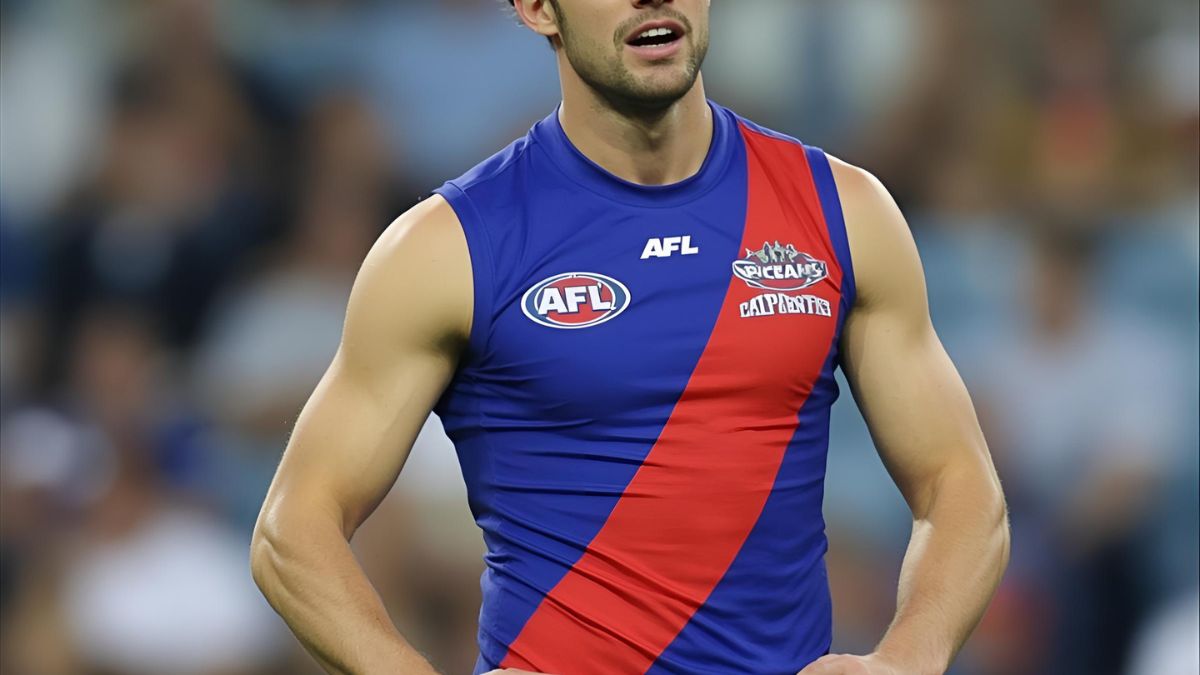
The AFL Draft remains one of the most electrifying events on the Australian football calendar, where raw talent meets the thunderous roar of opportunity. As October 29, 2025 approaches, anticipation swells around the draft’s capacity to reshape club futures and ignite fresh passions among supporters. The 2025 rookie selections promise to feature a diverse and dynamic group of up-and-coming players, each bringing a unique flair, resilience, and skill that reflect the evolving fabric of Aussie Rules. From Victorian powerhouses to Queensland’s rising stars, this draft class combines seasoned club-tied prospects with breakout talents hungry to make their mark. Their stories are woven with relentless work ethic, athleticism honed across various sports, and a shared dream of etching their names into the AFL’s storied history.
This upcoming draft isn’t just a list of names and stats—it’s a tapestry of potential game changers, challenging the existing order and promising new narratives on the field. Clubs across the nation are strategizing not only about who to pick but how these athletes’ styles and abilities can harmonize with their team ethos, physicality, and tactical plans for the next decade. Navigating through the exhilarating chaos of the AFL trade window and balancing draft picks demands insight into player versatility, athletic metrics, and mental toughness. This year’s prospects from academies such as the Suns, Swans, and Lions, as well as standout defenders, midfielders, and forwards from state leagues, are fueling a buzz that echoes beyond barracks and clubrooms, drawing fans and analysts into fiery debates about the future stars.
In brief:
- The 2025 draft class is loaded with versatile athletes capable of playing multiple AFL positions, blending high-end athleticism with football IQ.
- Key prospects include Willem Duursma, Daniel Annable, and Dyson Sharp, each with distinct strengths geared toward shaping first-round picks.
- Academy-linked players from clubs like the Suns and Swans dominate the conversation, illustrating the power of development pathways.
- South Australia’s team clinched the national Under 18 title for the first time in seven years, spotlighting several first-round contenders.
- The AFL trade period has influenced draft order and club strategies, setting the stage for the selection of future champions.
- Scouting reports heavily emphasize contested ball skills, versatility, and the ability to perform in high-pressure games, reflecting a focus on readiness at the elite level.
Elite Talent Spotlight: The Front-Runners Shaping the 2025 AFL Draft Landscape
The heart of the AFL Draft revolves around the players with the highest potential to alter club fortunes and inspire crowds with their on-field exploits. Among the standout names this season is Willem Duursma, a utility from Gippsland Power renowned for his adaptability and athletic prowess. Standing 191cm tall, Duursma embodies the modern AFL player: a fusion of basketball agility and football intelligence, able to pivot seamlessly from wing to key defensive roles. His prior recognition as an All Australian defender and his impressive National Futures performance have scouts debating his potential top-five selection, particularly given his family pedigree with three siblings already drafted.
Another compelling name, Daniel Annable from the Lions Academy, exemplifies the contested ball ferocity that AFL clubs covet. His 27.7 disposals and vigorous tackling average of 6.3 per game in the Coates Talent League reveal a workhorse mentality combined with precision ball handling. Annable’s consistent output for the Allies at the National Championships reflects a mature game sense beyond his 183cm frame, positioning him as a vital cog in any midfield setup targeting ground ball dominance and clearance work.
Rounding out the top tier is Dyson Sharp, whose commanding presence in South Australia’s Under 18 championship win cemented his status as a potential top-five pick. Sharp’s ability to amass contested possessions, combined with leadership qualities and an improving outside game, aligns with the skillset demanded of modern-day AFL midfielders. His physicality and endurance on the field have also garnered attention from clubs looking to inject resilience and toughness into their engine rooms.
- Willem Duursma: Versatile utility with strong athletic pedigree and multi-position capability.
- Daniel Annable: Tough inside midfielder and prolific ball winner with high tackle counts.
- Dyson Sharp: Powerful contested ball-winning midfielder and inspirational leader.
- Beau Addinsall: Athletic midfield-forward known for his dynamic running and scoring ability.
- Samuel Cumming: Consistent and prolific midfielder with SANFL MVP credentials.
| Name | Position | Height | Region | Key Strengths |
|---|---|---|---|---|
| Willem Duursma | Utility | 191cm | Vic Country | Versatility, athleticism, ball use |
| Daniel Annable | Midfielder | 183cm | Queensland | Contested ball, work rate, tackling |
| Dyson Sharp | Midfielder | 188cm | South Australia | Leadership, contested possessions, endurance |
| Beau Addinsall | Midfielder/Forward | 180cm | Queensland | Speed, attacking impact |
| Samuel Cumming | Midfielder | 184cm | South Australia | Consistency, ball winning, marking |
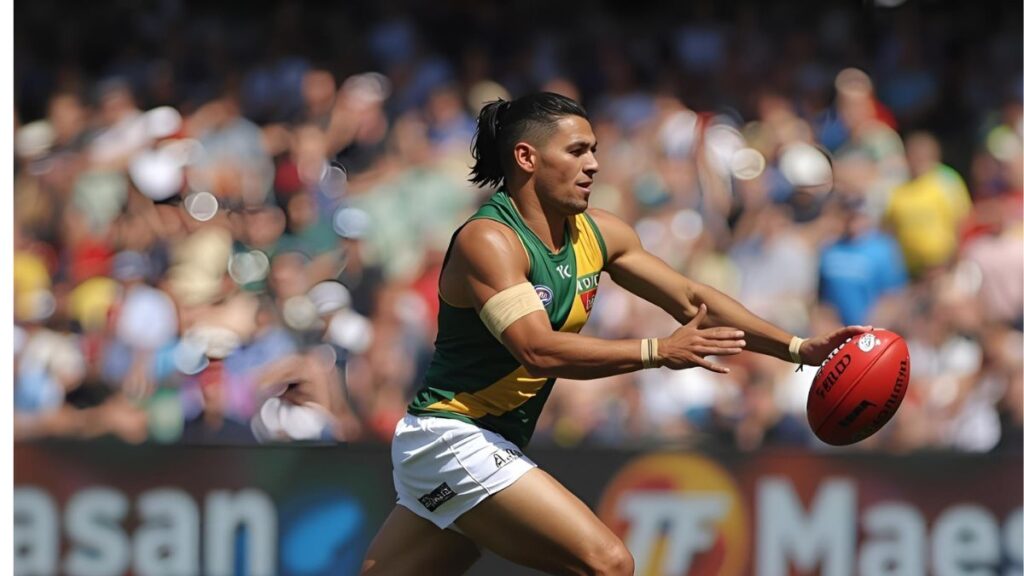
Pathways and Academy Influence: How Club Ties Will Alter Draft Dynamics
The structured development programs run by AFL academies have become pivotal in funneling talent toward their affiliated clubs, disrupting traditional draft assumptions and adding layers of strategic complexity. Particularly striking is the concentration of prospects tied to the Gold Coast Suns Academy, including names like Beau Addinsall and Zeke Uwland, both showcasing elite running capabilities combined with a deft touch inside 50. Their exposure to VFL-level competition this year not only accelerated their readiness but sharpened their ability to perform under pressure, qualities that entice recruiters looking for immediate impact players.
Similarly, the Sydney Swans Academy is nurturing talents like Noah Chamberlain and Max King, who blend key forward marking prowess with midfield mobility. King’s explosive athleticism and Chamberlain’s versatility present a rare combo that fits modern AFL’s demand for multi-dimensional forwards capable of sustained pressure and swift transitions. Their nominations and potential father-son considerations also complicate trade tactics and bidding wars, underscoring that club ties in 2025 are more than just lineage—they are foundational pieces in offseason plans.
The AFL trade and draft machinations, detailed comprehensively in sources like the trade window analysis and free agency tracker, reveal that clubs are leveraging academy ties to secure developmental assets early. This is changing the complexion of picks and how clubs like Brisbane Lions, Melbourne, and Geelong shape their rosters for premiership contention or rebuild phases.
- Gold Coast Suns Academy stands out with multiple top prospects eligible for high draft picks.
- Sydney Swans Academy focuses on key forward/midfield versatile athletes.
- Father-son rules influence draft strategies and club selections.
- Academy-nurtured players possess advanced physical profiles blending speed and power.
- Club tactical planning integrates draft pick acquisition with existing player contracts and upcoming retirements.
| Club Academy | Featured Prospects | Key Attributes | Draft Strategy Influence |
|---|---|---|---|
| Gold Coast Suns | Beau Addinsall, Zeke Uwland, Dylan Patterson | Speed, versatility, VFL experience | Acquire young talent for midfield/forward depth |
| Sydney Swans | Noah Chamberlain, Max King, Lachlan Carmichael | Marking ability, mobility, key position flexibility | Combine athleticism with structure for scoring options |
| Brisbane Lions | Daniel Annable, Isaac Waller | Contested ball, clearance work, ruck support | Bolster inside midfield strength and ruck contests |
| Western Australia (NGA) | Charlie Banfield, Wesley Walley | Aerial skills, forward pressure | Enhance forward line options through NGA mechanisms |
Regional and State League Stars: The Underestimated Draft Gems
Beyond the well-lit stadiums and academy programs, state leagues and regional competitions continue to nurture remarkable talent often flying under the radar. The South Australian squad, freshly crowned national Under 18 champions for the first time in seven years, offers prime examples of players like Mitch Marsh and Aidan Schubert. Marsh’s athleticism as a 191cm forward marries aerial strength and speed, recalling comparisons to elite contemporaries, while Schubert’s basketball background contributes to his impressive ruck-handling and marking skills. Their performances in high stakes matches display poise and skillsets attractive to clubs searching for big-bodied game changers.
The Western Australian contingent cannot be overlooked either. Players such as Sam Swadling, a 187cm midfielder controlling games with composure and endurance, and Toby Whan add flair and hard running, exemplifying the raw potential emerging from WAFL competitions. These players often serve dual roles, demonstrating leadership and multi-positional flexibility—a necessity in AFL modern game plans that prize adaptability as much as sheer talent.
As much as clubs obsess over top-tier prospects, the draft pool contains hidden gems from regional areas who bring unique skills and narratives. Players like Blake Oudshoorn-Bennier from North Adelaide remind recruiters of the draft’s unpredictability, with their back-end seasons propelling them into the spotlight. These talents often benefit from the increased scout focus on state leagues documented in offseason scouting tactics, reinforcing the value of unearthing unexpected talent.
- Mitch Marsh: Explosive forward with remarkable marking ability and goal sense.
- Aidan Schubert: Mobile ruck/forward with basketball-derived skills.
- Sam Swadling: Midfield maestro with exceptional work rate and clean hands.
- Toby Whan: Tenacious on-baller capable of leadership roles.
- Blake Oudshoorn-Bennier: Rising star from regional leagues with rapid development.
| Player | Position | Height | State League | Notable Achievement |
|---|---|---|---|---|
| Mitch Marsh | Forward | 191cm | South Australia | Top goalkicker in national U18 championships |
| Aidan Schubert | Ruck/Key Forward | 198cm | South Australia | SANFL premiership contribution, 25 goals in season |
| Sam Swadling | Midfielder | 187cm | Western Australia | 35 disposals average in WAFL Colts |
| Toby Whan | Midfielder | 184cm | Western Australia | Fremantle NGA prospect, key midfielder for WA |
| Blake Oudshoorn-Bennier | Midfielder | 182cm | South Australia | McCallum-Tomkins Medal recipient |
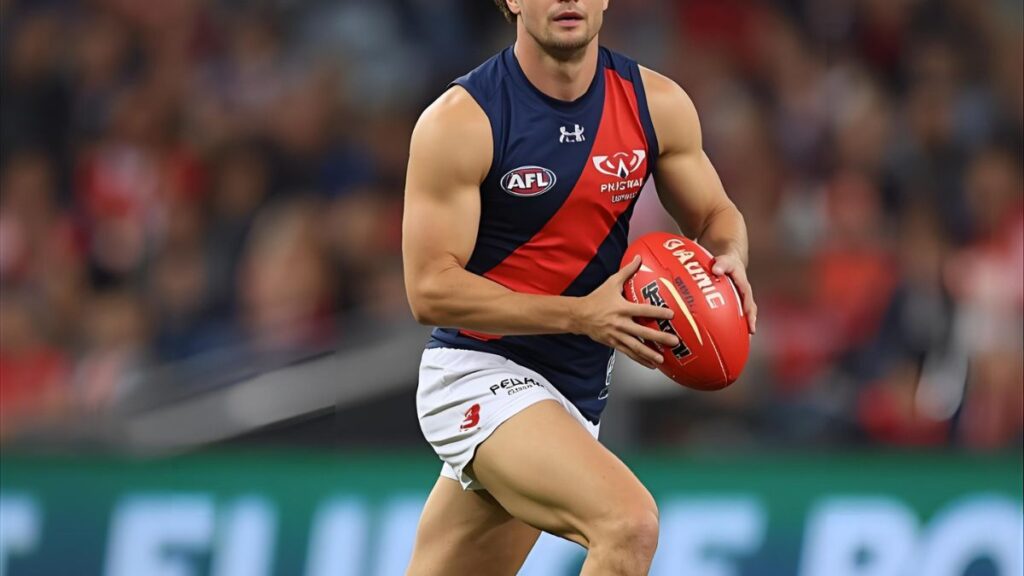
Draft Strategy and Club Needs: How AFL Teams Are Preparing for November 2025
The lead-up to the draft involves more than evaluating talent; it requires mastering the chessboard of trade discussions, free agency movements, and balancing team list structures. The intricate dealings revealed during the trade period winners and risks analysis show clubs juggling immediate premiership hopes with long-term rebuild ambitions. Strategic pick trading alters the draft order, forcing clubs to recalibrate their approach to selections with fluctuating needs across defensive, midfield, and forward lines.
For example, recent insights spotlight how veteran departures and retirements documented in veteran player turnover are creating opportunity gaps, with clubs targeting draft prospects who can fill those roles swiftly. The Melbourne and Brisbane Lions teams, both with distinct roster compositions, are actively using their draft capital via draft capital profiles to harness emerging stars. These decisions are bolstered by data-driven management trends and player performance tracking.
Moreover, the pressure intensifies around contested ball rankings and versatility, factors that increasingly dominate scouting reports. Clubs value mids like Annable or half-back runners like Duursma who can bludgeon through contests yet transition rapidly to attack, thus enhancing team balance. This is a far cry from earlier eras when special teams and rigid roles defined players. Modern AFL expects adaptability and relentless effort, tight decision-making, and high-impact skills.
- Clubs analyzing draft picks alongside veteran player retirements to plan roster refresh.
- Trade windows significantly reshaping draft order and team strategy.
- Focus on contested ball-winning players and versatile utility options favored.
- Increased use of advanced metrics to evaluate readiness and development trajectory.
- Teams balancing premiership contention with nurturing future talent pools.
| Club | Draft Picks Available | Key Position Needs | Strategy Focus |
|---|---|---|---|
| Melbourne | 2 first-round picks | Key defender, midfield depth | Blending youth with experience for premiership push |
| Brisbane Lions | 3 early picks | Contested midfield, ruck reinforcement | Rebuilding around core star midfielders |
| West Coast Eagles | 1 mid-round pick | Forward line excitement, defensive upgrades | Drafting dynamic academy and NGA prospects |
| Geelong | 2 mid-round picks | Midfield flair, forward line support | Developing current list with high upside juniors |
Physical and Mental Attributes Driving Prospect Success in 2025 Rookie Selections
AFL clubs are increasingly prioritizing a blend of physical dominance and mental resilience when scouting and assessing draft prospects. The modern game’s intensity demands not only explosive speed—imparted by brands like Nike and Adidas signaling next-gen sports tech—but also endurance, decision-making under pressure, and tactical adaptability. Prospects like Jack Dalton and Oliver Greeves showcase outstanding composure and clean skills with a mixture of footy smarts and athletic capability, traits that separate good players from AFL-level impact stars.
Brands such as Puma, Under Armour, and New Balance have developed training gear that enhances muscular endurance and agility for athletes, providing players cutting-edge tools to achieve elite conditioning. Similarly, foot comfort and injury prevention, aided by companies like Asics and Mitre, support players’ longevity in a physically demanding sport. The melding of physical preparation with psychological fortitude is a hallmark of top draft prospects navigating the pressures of national championships and Futures matches.
Further adding to the mental dimension is the poise shown in high-stakes moments. For example, the South Australian captain Dyson Sharp’s ability to inspire teammates and deliver under duress marks the difference between a promising talent and a future AFL mainstay. Similarly, the rapid game transitions seen in academy stars require a clear mind and precise execution, abilities reflecting both innate talent and professional preparation off the field.
- Prospects with superior endurance, speed, and agility favored for fast-paced AFL demands.
- Technical skill execution under pressure is key in differentiating draft prospects.
- Cutting-edge sportswear from Reebok and Skechers assists players’ physical preparation.
- Psychological resilience, leadership, and on-field decision-making highly valued.
- Fitness technologies and biomechanics driving new levels of athletic performance.
| Prospect | Physical Attribute | Mental Trait | Supporting Technologies |
|---|---|---|---|
| Jack Dalton | Agility, endurance | Calm decision-making | Nike training wear, Skechers footwear |
| Oliver Greeves | Height, strength | Composure under pressure | Adidas performance gear, Puma shoes |
| Dyson Sharp | Power, stamina | Leadership, resilience | Under Armour apparel, Asics support shoes |
| Beau Addinsall | Speed, quickness | Competitive drive | Reebok enhanced training |