

The AFL Draft 2025 looms large on the horizon, promising a spectacle that every fan, analyst, and club is circling with anticipation. Set over two thrilling nights on the 19th and 20th of November, the draft isn’t just about picking future stars; it’s a strategic chess match where clubs carefully shape their destiny. The off-season trade period, rookie drafts, and multi-club negotiations all culminate in these key dates, and the ripple effects will resonate throughout the AFL season ahead. With emerging talent facing the bright glare of national selection, teams will battle to secure the best prospects and rebuild powerhouse rosters while fans eagerly speculate on who will become the next household name in Australian football.
As clubs jockey for position, the draft order reflects previous season performance, trade outcomes, and priority picks, creating a dynamic draft landscape brimming with intrigue. Watching is not just for die-hard followers but anyone captivated by the game’s passion, athleticism, and storytelling. This draft cycle promises to reveal more than just player names; it’s about uncovering future legends and understanding how teams are evolving in a game that melds physical prowess with tactical ingenuity.
- Draft Dates: National Draft set for Wednesday 19 November (Round One) and Thursday 20 November (subsequent rounds).
- Trade Period: October 6 to October 15, shaping clubs’ picks and roster status.
- Combine Testing: Early October featuring the nation’s top 64 prospects showcasing athletic and technical skillsets.
- Key Focus: How clubs utilize draft picks to rebuild or reinforce, with standout prospects and strategic trade influences.
- Player Movements: Insights on veteran retirements, rookie elevations, and player transfers influence draft strategy.
National Draft Dates and Their Strategic Significance in AFL 2025
The 2025 National Draft dates, locked in for November 19 and 20, represent the climax of the AFL off-season’s player recruitment activities. On the first evening, the striking first round commands the spotlight with the top selections setting the pace for club futures. Following this, subsequent rounds on the 20th allow teams to fill out their lists with promising talent. It’s a carefully structured event where timing and order dramatically influence outcomes.
Each club approaches these two nights loaded with strategy. The draft order, influenced by ladder positions and recent trade effects, dictates who picks when – making the early picks premium assets coveted by contenders and rebuilding sides alike. The Adelaide Crows, for instance, will be looking to leverage their multiple selections to expedite their rebuild, as detailed in a focused analysis on Adelaide’s rebuilding efforts.
Remember, this draft is not just about raw talent; it’s an intricate market where clubs also consider player compatibility with game plans, future trade value, and long-term development potential. For example, the Fremantle Dockers, holding picks 20, 47, and 69 among others, are expected to focus on midfield versatility, a priority underlined in the latest tactical trends report.
- First night – Round One: Club highlight selections, pressure to secure elite talent.
- Second night – Remaining rounds: Depth picks, development prospects, and tactical additions.
- Trade period prime importance: Picks and player exchange before the draft reshapes draft orders.
- Combine performances influence: Athletic testing and interviews shape club decisions.
- Veteran retirements and delistings: Open spaces on lists, driving draft priorities.
Trade Period from October 6–15: Setting the Stage for Draft Day Wins
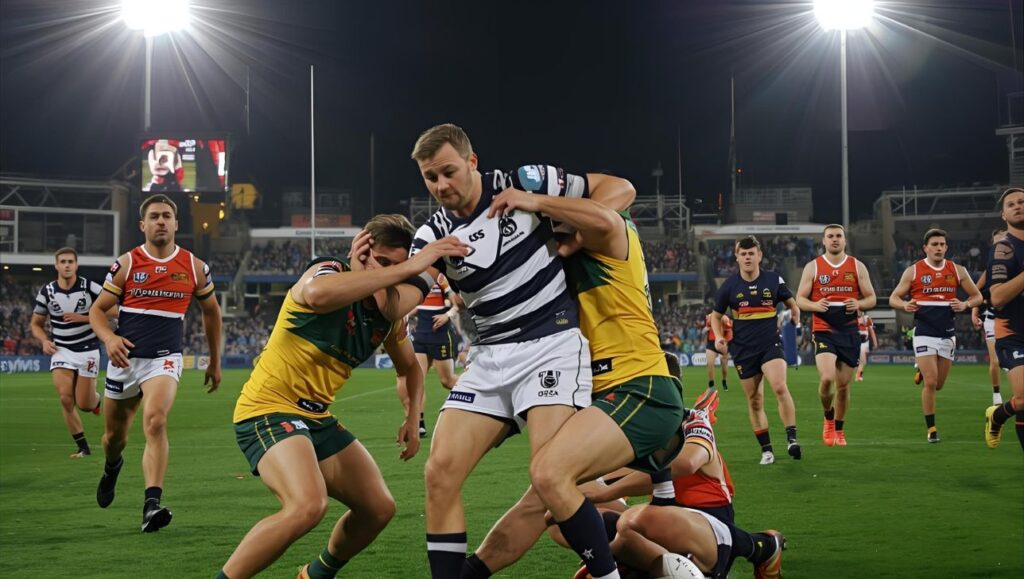
October heralds the AFL’s pivotal Continental Tyres Trade Period, spanning from October 6 to 15. This trading window is critical for clubs to manoeuvre draft picks and players ahead of the November National Draft. Teams meticulously negotiate to bolster their squads, offload surplus talent, or acquire coveted draft capital. The trade period often sets the emotional tone for clubs entering the draft.
Recent transfers have heated discussions around the futures of several premiership-contending teams. The Brisbane Lions, who have experienced key player departures, used this period aggressively to acquire picks and reposition themselves for not only the draft but also the upcoming season, a strategy outlined in-depth at Brisbane Lions player departures analysis.
Trade strategies reveal much about a team’s direction. Some clubs, like Collingwood after delisting seasoned player Markov, look to refresh their list through youth acquisitions and draft upgrades. Their moves demonstrate how trade and draft choices combine to balance short-term competitiveness with longer-term growth, detailed in discussions on Collingwood’s list strategy.
- Trade period focus: Acquiring and swapping draft picks for positional needs.
- Veteran players and rookie list adjustments: Free agency moves influence draft requirements.
- High-demand trade picks: Picks in the top 20 are particularly sought after.
- Some clubs opt for rebuilding: Trading to amass multiple early draft picks.
- Player loyalty and contract negotiations: Impact on trade dynamics and draft priorities.
Understanding how clubs leverage this trade period offers a window into how each draft pick carries emotional and strategic weight. The 2025 cycle promises high drama given the stakes and some blockbuster moves expected to surface well before the November draft nights.
Top Prospects and Combine Highlights to Look Out for in the November Draft
The National Draft Combine, held in early October, sets the stage for evaluating the 64 top prospects invited to demonstrate their physical and cognitive capabilities. Clubs scrutinise results alongside on-field footage, searching for the future superstars who can thrive in the demanding, high-speed AFL environment.
Prospective draftees will be tested across a suite of disciplines including speed, agility, endurance, and skill efficiency—metrics that provide insights beyond traditional game stats. Standouts often emerge in this controlled setting, forcing some clubs to reconsider earlier assessments and reorder their draft priorities accordingly. The Combine’s significance is captured in rookie draft preparation insights.
Players like Cooper Duff-Tytler and Willem, named top prospects this year, have dazzled with their athleticism and game intelligence, making them hot commodities among recruiters. Their performances carry implications for club recruitment strategies, especially those hunting midfield dynamism or defensive flexibility.
- Combine testing components: Sprint times, vertical leap, endurance runs, and skill drills.
- Assessment sessions: Psychological profiling and interviews assessing mindset and adaptability.
- Draft buzz players: Highly ranked from Metro Victoria and other talent hotbeds.
- Impact on draft order: Some clubs reshape plans post-combine evaluations.
- Historical trends: Previous Combine stars becoming AFL legends.
How Draft Order Impacts Club Strategies With A Glimpse at Key Picks
The order in which picks fall plays a vital role in shaping how each AFL club navigates the draft. The 18 teams arrive with varied picks—some as early as number 1 and 2, others clustered later yet loaded with multiple chances to grab key talent. For instance, West Coast boasts early selections at picks 1, 2, and 13, positioning themselves for a significant talent injection, something that the current analysis covering ladder predictions notes as crucial to reasserting their competitive edge (AFL 2025 Ladder Predictions).
Conversely, clubs like Gold Coast hold many picks but have fewer top-tier slots, nudging them towards discovering hidden gems and prioritizing development players with potential. Their big packs of selections will influence how they balance immediate impact with future growth, a balancing act essential in today’s AFL draft process.
- Clubs with top picks: West Coast Eagles, Richmond, Essendon among front-runners.
- Mid-stockpile clubs: Gold Coast Suns, Brisbane Lions using volume for list depth.
- Late round strategies: Targeting developmental players and niche roles.
- Trade-influenced picks: Some clubs leverage the trade period to gain or lose picks.
- Impact of list needs: Defensive, midfield, or forward priorities depending on club plans.
This draft order dynamic doesn’t just determine who gets first pick; it charts the wider club trajectory and how coaches align draft selections with overall strategy. These choices echo through the season and beyond, shaping fan expectations and club culture alike.
Player Movements, Rookie Draft, and the Broader 2025 Off-Season Dynamics
Beyond the national draft itself, the AFL off-season is a whirlwind that includes movements in free agency, rookie elevations, and mid-season selections that influence overall club rosters for the coming year. Free agency periods in early October make waves as key players relocate, causing simultaneous domino effects on draft tactics. The rookie draft is another critical moment, allowing clubs to sift through overlooked but promising talent.
For example, with several veterans announcing retirements, including those detailed in veteran departures insights, clubs are recalibrating their strategic focus. Teams losing experience may lean heavily on their draft picks or rookie promotions to rebuild robust, future-facing squads. Rookie draft preparations hence become critical, offering a last step to secure future stars.
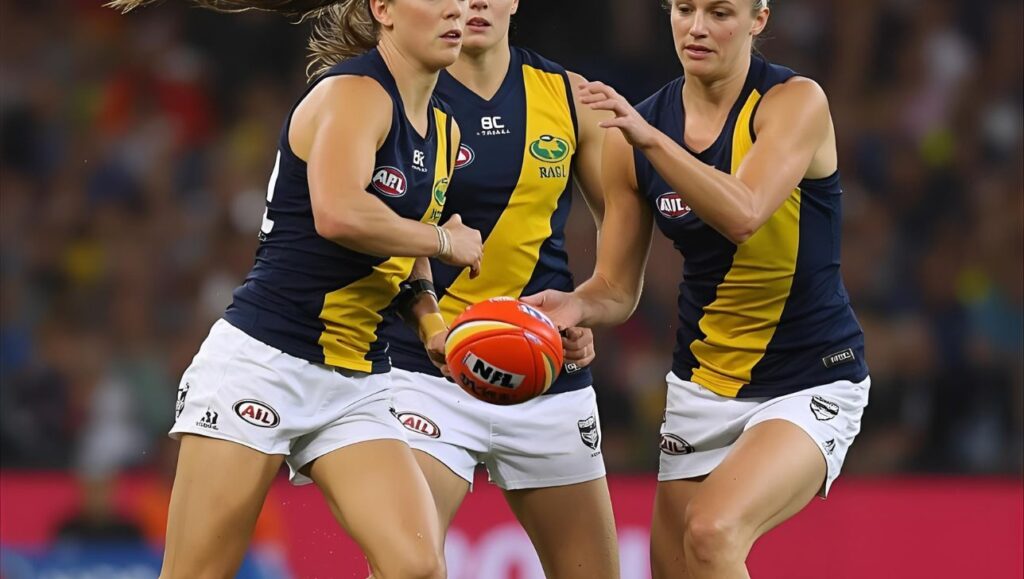
Also, the AFL Women’s League trade and draft periods fall closely behind the men’s off-season activities, reflecting an integrated approach towards professional talent management across both competitions.
- Free agency impact: Veteran signings and departures reshape list composition.
- Rookie draft: Final opportunity to draft emerging talent and depth players.
- Mid-season rookie drafts: Occur earlier in the year but affect off-season strategy.
- Veteran retirements: Open spots increase urgency around draft decisions.
- AFLW trade and draft periods: Parallel off-season calendar reflecting professionalisation growth.
Combined, these elements create a complex and captivating mosaic of player movement and talent development. Fans watching the 2025 off-season will witness not just a draft but a strategic narrative about team futures unfolding in real time.


