

The 2025 AFL season is ushering in a wave of tactical innovation and evolution that promises to redefine the landscape of Australian Rules football. With last season’s champions setting high bars and emerging teams ready to challenge the establishment, strategic developments have taken center stage. From the surge in high-scoring, rapid counterattacks to the rising importance of one-on-one defensive contests, clubs are relentlessly refining their approaches to gain competitive edges. This shift is mirrored not only in gameplay but also in player roles, with midfielders doubling as goal threat machines and defenders becoming instrumental in launching team offenses. Fans and analysts alike anticipate a season where pace, precision, and adaptable tactics will tip the balance, while equipment giants like Nike, Adidas, and Sherrin continue to support this evolution with their latest gear. This dynamic framework sets the tone for a season packed with excitement, strategic depth, and spirited competition.

Revolution of Offensive Play: Fast-Paced Scoring Changes AFL Dynamics
The 2025 season marks a clear departure from traditionally defense-heavy strategies toward an offensive-centric style of play that prizes speed, precision, and scoring volume. The relentless push to outscore opponents has been underscored by data revealing that the league’s top eight scoring teams all secured spots in the finals last year, underscoring that offensive prowess is now the ticket to success.
Examples abound—Brisbane Lions, last season’s premiership winners, rolled out an electrifying six-goal burst in just 14 minutes during their grand final, which decisively turned the match. Similarly, Sydney Swans and Hawthorn leveraged their scoring abilities to set and challenge standards across the league. Notably, Sydney topped the league in points per game, while Brisbane and Hawthorn ranked high, with the Hawks showcasing exceptional form late in 2024 by averaging over 58 points off turnovers in their last ten games.
How Fast Counterattacks are Shaping the 2025 Game
The key driver behind this spike in scoring is the increased exploitation of turnovers, which generate rapid transition attacks. Brisbane and Sydney excelled at turning defensive opportunities into points, averaging roughly 53 to 55 points per game from turnovers, while Hawthorn led the pack in the latter part of the previous season. This trend is pushing tactical innovation for clubs aiming to replicate these methods.
- Emphasis on quick ball movement: Teams prioritize fast handpasses and runs to outpace defenders.
- Defensive rebounders: Players like Josh Weddle and Nick Blakey use speed and skill from half-back to ignite attacks.
- Efficient inside 50 entries: Brisbane and Sydney converted nearly 48% of their entries into scores, demonstrating precision.
- High turnover pressure: Aggressive midfielders press opposing players, forcing errors that can be capitalized on.
Successful clubs are increasingly installing game plans that marry aggressive presses with lethal counteroffensives. This shift demands players to be versatile and conditioned to sustain high-tempo play throughout the match, a contrast to earlier seasons where physical contests and defensive setups dominated. The integration of gear optimized for speed and grip from brands like Nike, Adidas, and Puma further complements this trend.
| Team | Average Points per Game | Points Off Turnover | Inside 50 Conversion Rate |
|---|---|---|---|
| Sydney Swans | 89.5 | 55.1 | 47.8% |
| Brisbane Lions | 88.0 | 53.0 | 47.4% |
| Hawthorn Hawks (Last 10 games) | 86.2 | 58.3 | 49.2% |
Such data reflects a collective tactical pivot: successful teams blend explosive offense with strategic positioning to maintain relentless pressure.
Role Evolution: Midfielders as Potent Scorers and Playmakers
The player archetype is shifting as midfielders increasingly undertake dual roles, not only orchestrating play but consistently contributing on the scoreboard. In 2024, the most dominant teams featured multiple midfielders and half-forwards who kicked 20+ goals while averaging substantial disposals.
This trend upends previous classics where forwards primarily supplied goals, demanding midfielders possess scoring instincts and endurance. The likes of Chad Warner (Sydney), Zac Bailey (Brisbane), and Dylan Moore (Hawthorn) epitomize this new breed—midfielders who can break lines, create chances, and finish them.
Strategic Benefits of Midfield Scorers
Clubs are leaning into these versatile athletes to diversify attacking options and reduce predictability, forcing defenses to allocate more resources across the field. Here’s how this shift plays out:
- Increased goal-scoring outlets: Moves pressure away from key forwards, stretching defenses thin.
- Midfield switching: Players like Shai Bolton and Kysaiah Pickett have been trialed in midfield, adding a spark with their unpredictability.
- Enhanced clearance-to-goal transitions: Midfielders with goal vision accelerate switch-plays and convert breakaways.
- Flexibility in game plans: Coaches can adjust formations dynamically to exploit opposition weaknesses.
Emerging young talents and trade recruits bolster this trend. For instance, Fremantle’s recruitment of Bolton aims to inject offensive flair within midfield setups, while Adelaide counts on Izak Rankine’s stoppage speed to surprise opponents. The game is increasingly reliant on players capable of continuous transitions from defense to attack, demanding a breed of multi-skilled athletes suited to this enhanced role.
These tactical evolutions also come with demands on equipment; players need boots and gear optimized for mobility and precision, with New Balance and Under Armour providing upgraded options to support player performance in these multidimensional roles.
Defensive Adaptation: One-on-One Contests and Key Position Importance
With attacking speed surging, defenses face unique challenges. Teams are increasingly pushed into isolated, one-on-one defensive battles as quick turnovers create fragmented defensive structures. Success now hinges on key defenders who dominate these crucial contests.
Players such as Jacob Weitering (St Kilda), Harris Andrews (Brisbane), and Steven May (Melbourne) showcased elite performances by winning more than 85% of their contested defensive one-on-ones last season. Their ability to stymie opposition forwards directly impacts game outcomes.
Why One-on-One Defense Matters More Than Ever
Here is an outlined impact of this trend on teams and games:
- Increased scoring pressure: Faster offenses create situations where defenders must win isolated duels.
- Critical role of key defenders: These players are now primary gatekeepers, effectively shaping opponents’ scoring capabilities.
- Recruitment focus shifts: Clubs prioritize defenders with strong contested marking, speed, and decision-making.
- Equipment role: Brands like Canterbury and ISC supply protective and lightweight gear suited for high-intensity defensive clashes.
| Defender | Team | Contested One-on-One Win Rate | Impact on Squad Defense |
|---|---|---|---|
| Jacob Weitering | St Kilda | 88.9% | Lockdown defender critical to defensive setup |
| Harris Andrews | Brisbane Lions | 85.7% | Key in suppressing elite forwards |
| Callum Wilkie | St Kilda | 87.0% | Strong presence in contested marking |
| Charlie Comben | North Melbourne | 58.1% | Area for improvement; defenses vulnerable |
| Harry McKay | Essendon | 66.7% | Needs to improve to keep pace with offensive trends |
Teams lacking commanding defenders risk breakdowns under high-pressure counterattacks. North Melbourne and Essendon notably face questions about their defensive resilience due to lower contested one-on-one win rates, suggesting that improvements in this area are critical.
Understanding these defensive demands highlights why some teams have revamped recruitment strategies focusing on defenders capable of countering swift offenses. Upcoming selections in drafts and trades often zero in on players with robust defensive numbers and athletic versatility.
Discover more on AFL 2025 defensive stars and draft prospects
Emerging Team Strategies: Balancing Attack, Defense, and Youth Integration
The 2025 season is a strategic chess match between teams balancing offensive firepower, defensive solidity, and youth development. Clubs like Fremantle and Gold Coast represent different faces of this evolution—melding promising young talents with tactical adjustments that reflect the modern game’s demands.
Gold Coast Suns, armed with rising stars Matt Rowell and Noah Anderson, are pushing a fast-tempo style to complement their youthful vigor. Fremantle focuses on midfield strength but recognizes the need to integrate more dynamic scoring midfielders to unlock their offensive potential. These strategies aim to break past the traditional confines of AFL structure and adapt fluidly to game flow.
Core Trends Defining These Team Developments
- Youth empowerment: Clubs invest in grooming young players for key roles early, giving them both responsibility and freedom.
- Tactical hybridization: Mixing defensive frameworks with sharp, spontaneous offensive bursts to keep opponents guessing.
- Player role versatility: Developing athletes capable of switching between midfield, forward, and defensive roles within a match.
- Use of technology: Analytics and performance tracking tools are increasingly embedded into training to refine individual and team tactics.
This balance is no easy feat—achieving harmony between a solid defensive base and lethal attacking options while incorporating inexperienced players often defines a team’s ladder movement. Clubs carefully manage this delicate integration to avoid pitfalls such as inconsistent performances or defensive lapses.
| Team | Focus Area | Key Players | 2024 Performance Highlights |
|---|---|---|---|
| Gold Coast Suns | Youthful fast-attack | Matt Rowell, Noah Anderson | Fourth in inside 50s but below efficient scoring rate |
| Fremantle Dockers | Midfield dominance with new forwards | Caleb Serong, Shai Bolton | Top clearance count but struggling on scoreboard |
| Adelaide Crows | Dynamic midfield infusion | Izak Rankine | Promising talent to enhance stoppages |
These teams show that adapting to the modern AFL tactical environment entails a continuous evolution of plans and personnel, a trend that is well-documented and analyzed by AFL experts and fans alike (insights on Australian football tactics).
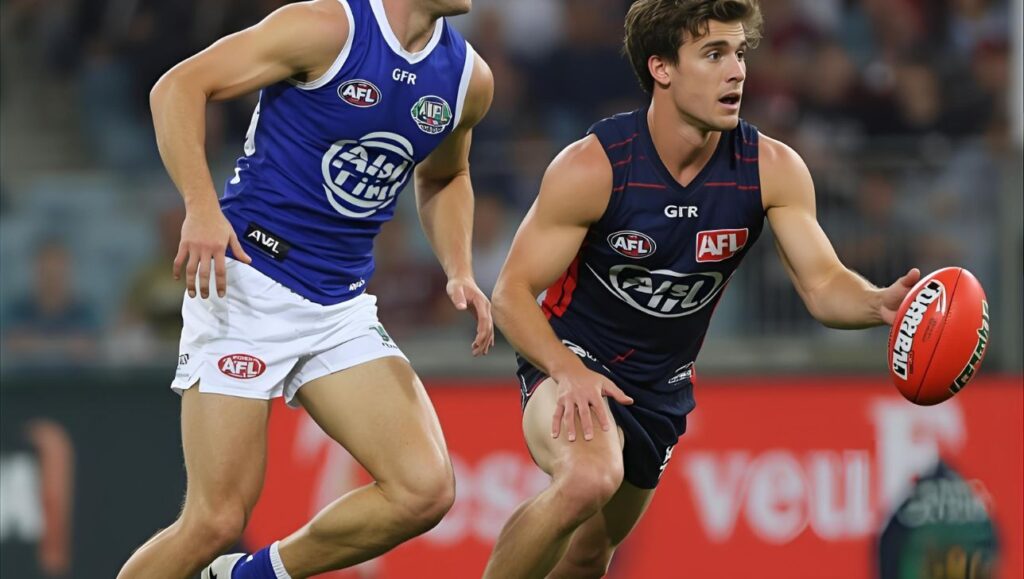
Equipment Evolution and Tactical Impact: Gear Supporting Modern AFL Styles
The sophistication of AFL tactics goes hand-in-hand with advancements in player equipment. In 2025, the biggest brands play vital roles in enhancing athletic performance and tactical execution. Gear innovations focus on optimizing player speed, endurance, grip, and ball handling across diverse playing conditions.
Shoe manufacturers like Nike, Adidas, New Balance, and Under Armour have pushed boundaries by refining sole grips and lightweight designs that better support rapid directional changes and explosive accelerations essential in today’s high-tempo AFL games. Apparel makers ISC and Canterbury have introduced breathable, durable fabrics that enhance comfort during intense contests, while ball suppliers Gilbert, Mitre, and Sherrin continue to produce balls engineered for consistent flight and handling in all weather conditions, critical for quick and precise passing tactics prevalent this season.
How Gear Advances Influence Tactical Execution
- Enhanced agility and speed: Lightweight boots enable breaks in defensive lines and sustain rapid counterattacks.
- Durability and weather resilience: Advanced fabrics maintain performance stability regardless of rain or heat.
- Ball control improvements: Well-designed balls improve handpass accuracy and kicking precision.
- Player safety: Protective wear allows fearless tackling and contesting, crucial in one-on-one battles.
The synergy between equipment evolution and evolving tactics creates a compounding effect: players can push physical limits while executing complex game plans, helping teams maximize their strategic visions.
For fans curious about how these tangible changes affect matches, watching players adapt using gear advancements will be as gripping as tactical battles on the scoreboard. This trend highlights the integral nature of technology—not just digital but physical—in AFL’s continuing development.
Explore more on kicking tactics influenced by gear and season conditions