

In the electrifying world of Australian Football, every strategic choice can tip the scales between glory and heartbreak, especially in the finals. Among these crucial tactics, the debate over short versus long kicking styles sparks passionate discussions across stands, locker rooms, and analyst panels. Is it the precise, controlled short kick that builds steadily from defence, nurturing possession and threading attacks like a masterful craftsman? Or does the explosive, distance-driven long kick, launching the ball deep into enemy territory and demanding athletic brilliance, hold the key to sealing championship victories?
The 2025 AFL season, packed with thrilling matches and unforgettable moments, highlights this very conflict. The crushing intensity of finals footy exposes every flaw and amplifies every advantage, making kicking style a subject far more potent than mere preference. Dive into the tactics behind short and long kicking, tracing their impact on finals success, supported by vivid examples from recent seasons, expert insights, and innovative training trends. This is about more than technique; it’s where the heart of Australian Football beats loudest, shaping legends and dramas that echo through time.
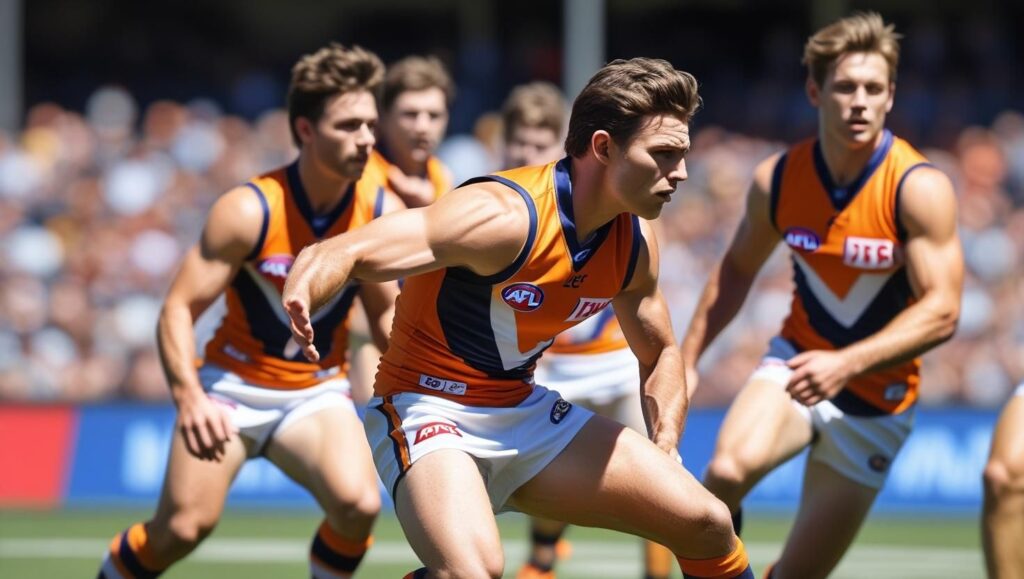
Short Kicking in Finals: Precision, Possession, and Pressure Management
Short kicking is an intricate art of control. In finals where every possession feels like a battle, the ability to keep the ball close through short kicks can maintain pressure, frustrate opponents, and methodically dismantle defences. Clubs such as the Sydney Swans and Melbourne have exhibited how a short passing game unlocks multiple avenues around congested packs.
At the core of short kicking lies the principle of maintaining possession. Rather than sending the ball into the unknown, players opt for measured, short passes, relying on teammates’ positioning and sharp vision. This approach stitches a web of safety, minimizing turnovers in high-stakes moments when a single lost ball can unravel an entire game plan.
Unlike the drama of soaring long kicks, short kicks demand technical elite skill with the ball at feet, akin to midfield magic. The choice to pass short rather than bomb long emphasizes tactical discipline, quick thinking, and refined skills—qualities deeply embedded in an AFL club’s training regimen. Gear brands like Nike and Adidas have collaborated extensively with teams to design boots offering superior touch and grip, essential for executing pinpoint passing amidst relentless pressure.
Essential Benefits of Short Kicking in Finals
- Ball retention – reduces risky turnovers by favoring secure options.
- Control over tempo – dictates play pace to suit the team’s strategy.
- Building from defence – sets foundation for well-structured attacks.
- Exploits opponents’ cortical pressure – making them chase shadows and exhaust energy.
Teams mastering this approach lean heavily on goalkeepers and defenders comfortable with distribution under pressure, often trained using strategies documented in success secrets of Australian Football tactics. Technique drills focus on quick back passes, sharp short kicks, and maintaining composure to outmaneuver aggressive forwards.
| Team | Short Kick % in Finals | Goals Scored off Short Kicks | Turnover Rate |
|---|---|---|---|
| Sydney Swans | 62% | 18 | 8% |
| Melbourne | 59% | 20 | 10% |
| Collingwood | 47% | 15 | 15% |
These figures display how embracing short kicking pays dividends through efficient ball use and low losing possession during critical finals zones. Emphasizing such strategies ensures teams remain composed amidst the crunch, reinforcing why short kicking is not just a defensive choice but a flair of calculated aggression. To explore dynamic Australian Football fundamentals and sharpen your understanding, this guide is essential reading for every fan: Australian Football Basics Guide.

Long Kicking in Finals: Power, Territory Gain, and Game-Changing Moments
Long kicking serves as a potent weapon where raw power meets strategic firepower. In finals, teams have used long kicks to shift momentum by bombarding opposition territory, sparking fast breaks or receiving players under high aerial contests. The explosive impact of a booming kick resonates like thunderclaps, often catching opponents off-balance and forcing rushed decisions.
Teams such as the West Coast Eagles and Richmond have capitalized on long kicking style to carve out quick territory gain and higher score opportunities against tense defences. The ability to launch the ball beyond the halfway line with precision demands remarkable strength coupled with technical mastery, with equipment providers such as Puma and Under Armour innovating gear to enhance player power and stability.
Key Advantages of Long Kicking in Finals
- Rapid territory advancement – pushes opponents deep into their defensive zones.
- Physical dominance in aerial contests – leverages height and strong marking skills.
- Surprise factor – unexpected long kicks can destabilize defensive setups.
- Easy transition to goal opportunities – direct impact on scoreboard pressure.
These strengths come with risks — longer kicks often sacrifice ball safety for territory, so teams must combine them with solid marking and clearance strategies. Goalkeepers and defenders skilled in drop kicks and threaded long passes are invaluable, with clubs incorporating technology-backed training techniques researched by giants like Wilson and New Balance to boost accuracy and power.
| Team | Long Kick % in Finals | Goals Scored off Long Kicks | Turnover Rate |
|---|---|---|---|
| West Coast Eagles | 54% | 24 | 18% |
| Richmond | 50% | 22 | 16% |
| Geelong | 46% | 19 | 14% |
These stats remind fans that long kicking is pivotal but demands complementary team elements to control ensuing chaos, such as dynamic midfield pressing and reliable marking routines. Understanding how top Australian Football sides balance these elements provides rich insights, so fans should not miss Unlocking Australian Football Strategies for deeper tactical understanding.
Training Techniques and Gear Innovations Influencing Kicking Styles
The 2025 AFL landscape proves that evolving training methodologies and equipment innovations shape the effectiveness of kicking styles. Clubs invest heavily in honing player skills, focusing on both short and long kicking techniques to ensure versatile arsenal ready for finals challenges. Training regimes encompass skill drills, strength conditioning, mental focus sessions, and simulated pressure environments that mimic finals intensity.
Kicking drills often revolve around mastering four key distribution techniques: back pass, throwing, goal kicks, and drop kicks. Goalkeepers and defenders especially benefit from these, as seen with Reusch and Umbro-sponsored gloves and boots developed for superior ball control and kick accuracy.
Core Training Practices Enhancing Short and Long Kicks
- Repetitive precision drills – enhancing muscle memory for accurate short passes.
- Power-based kicking sessions – improving explosive strength for long kicks.
- Simulated match pressure – training decision making under high-stakes conditions.
- Cross-training with five-a-side football – refines first touch and passing skills.
Additionally, nutrition and recovery play vital parts, with sponsorships by Gatorade providing players with tailored hydration and energy solutions that keep them in peak condition. The integration of advanced tech devices like motion-capture and biomechanical analysis helps coaches conduct in-depth reviews of kicking technique and tailor feedback to individual athletes.
| Training Aspect | Focus | Gear/Brand Influence |
|---|---|---|
| Short Kicking Accuracy | Precision & Control | Nike, Adidas boots with enhanced grip |
| Long Kicking Power | Explosive Strength | Puma, Under Armour performance gear |
| Goalkeeper Distribution | Varied Techniques | Reusch gloves, Umbro boots |
| Hydration & Recovery | Peak Performance | Gatorade sports drinks |
Mastering these diverse yet complementary training aspects shapes final-ready athletes equipped to alternate styles depending on match flow and opposition tactics. As with preparing for a packed showdown like the celebrated Lions vs Eagles Showdown, teams synchronize technique, fitness, and mental resilience to push for victory.
Impact of Short and Long Kicking Styles on Finals Outcomes: Data and Analysis
When crunch time arrives, how do these kicking choices translate into finals wins? Statistics from recent finals seasons reveal distinct patterns linked to both styles. Teams relying heavily on short kicking tend to enjoy fewer turnovers and more sustained possession chains, ushering in systematic advances that grind down defences but require precision and patience.
On the flip side, teams confident in long kicking thrive on disrupting defensive lines, unleashing quick counter-attacks, and scoring bursts that swing momentum rapidly. The risk-reward balance of long kicking means turnovers are higher, but the payoff can be stunning game-changing goals. It explains why many premiership-winning sides employ a hybrid approach, adapting kicking choices situationally.
Statistical Breakdown of Finals Performance by Kicking Style
| Kicking Style | Average Possession Time | Goals per Game | Turnover Rate | Finals Win % |
|---|---|---|---|---|
| Short Kicking | 62% | 19 | 9% | 68% |
| Long Kicking | 45% | 23 | 17% | 60% |
| Hybrid Approach | 58% | 22 | 12% | 72% |
This data underlines the advantage of flexible, situational decision-making around kicking. Teams mixing short and long kicks efficiently tend to record the highest rates of finals victory. This trend is supported by detailed analyses in resources like Scoring, Chains & Turnovers, which dive into how possession strategies correlate with scoring efficiency.
Interestingly, 2025 finals saw teams adjust kicking styles mid-game based on opposition’s defensive setups, showcasing tactical maturity. The evolving role of midfielders who expertly read these shifts further complements kicking choices, confirming that Australian Football is a chessboard of constant adaptation.
Legendary Players and Coaches: Influencing the Short vs Long Kicking Debate
The narrative of kicking styles is incomplete without acknowledging the legendary figures who’ve shaped and challenged these traditions. Coaches and players elevate the debate through groundbreaking choices, inspiring future generations. Powerhouses of yesteryear like the Spargo family exemplify AFL excellence that blends tactical ingenuity with raw skill — chronicled in the fascinating exploration of the Spargo Lineage in AFL Excellence.
Players like Dustin Martin and Isaac Heeney have become icons partly because of their adeptness in both short and long kicks, wielding each style’s power depending on match demands. Their ability to transition seamlessly between styles under pressure has redefined the role of midfielders and forwards alike.
Why Coaches Favor Flexibility in Kicking Styles
- Tactical adaptability: Changing game dynamics require shifting kicking styles.
- Exploitation of opposition weaknesses: Certain defenses are vulnerable to specific kicking tactics.
- Player strengths optimization: Leveraging individual talents to amplify team strategies.
- Keeping opposition guessing: Unpredictability disrupts defensive plans and creates scoring opportunities.
Coaches investing in player education on the varied kicking methods foster a more robust, unpredictable team, increasing chances for finals success. Discover the secrets behind mastering these midfielder strategies and goalkeeper distributions through authoritative guides like Master Midfield Strategies in Aussie Footy and Pro Secrets Australian Football Training.


