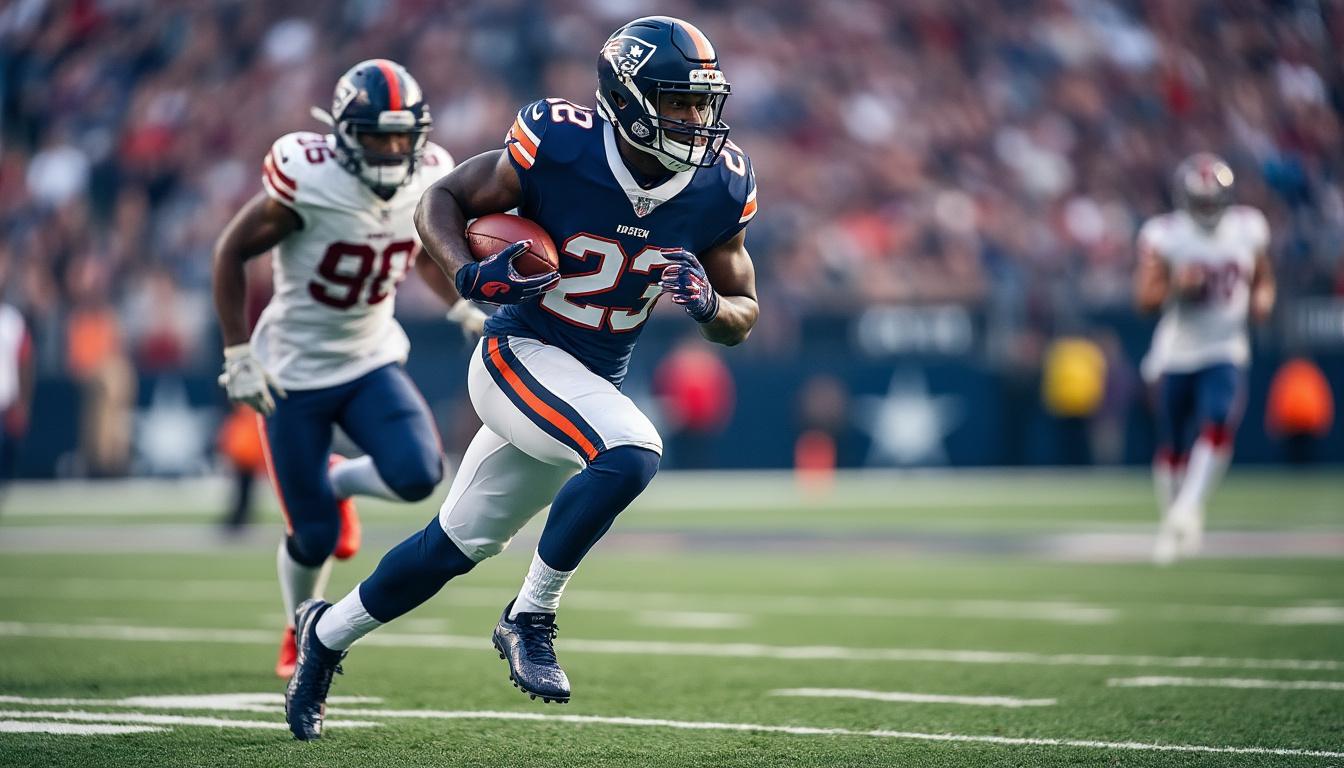

The 2025 AFL trade period is shaping up to be one of the most captivating and strategic off-seasons in recent memory. Fans and pundits alike are captivated by the shifting tides of player movement, with stars such as James Worpel and Jack Silvagni at the forefront of a wave of transfers that promise to reshape the league’s competitive landscape. This early flurry of trades highlights just how dynamic and interconnected the clubs’ ambitions have become, as they jockey to build balanced rosters that can deliver sustained success. From the precision targeting of restricted free agents to the calculated gambles on emerging talent, the early movers are setting the tone for what will be a frenetic and story-rich trade season. Across the board, there are bigger trends also at play, with veteran departures, tactical evolutions, and shifting team cultures all influencing how trades come together.
The 2025 trade wave isn’t just about swapping players; it’s about the pulsating heart of AFL strategy—where clubs like Geelong, Carlton, Hawthorn, and St Kilda recalibrate their future chances through smart acquisitions and departures. As fans get ready to follow their teams through the always electrifying trade period, the stories of Worpel, Silvagni, and their peers serve as a window into the motivations and hopes that fuel this fascinating chapter of the football year.
In brief:
- James Worpel is on the brink of a high-profile move from Hawthorn to Geelong, adding midfield depth to the Cats’ lineup.
- Jack Silvagni’s free agency transfer from Carlton to St Kilda has been confirmed, signifying a significant shift for both clubs.
- The 2025 trade period features unprecedented flexibility with clubs able to trade picks up to two years in advance.
- Veterans and emerging players alike are central to trade strategies as teams balance experience with youthful potential.
- Major names like Christian Petracca, Charlie Curnow, and Zach Merrett are among other marquee players considering new opportunities.
- Trade dealings intertwine with wider tactical shifts and club rebuilds, highlighting the complexity beyond just player movement.

James Worpel’s Move to Geelong: A Tactical Masterstroke in Midfield Reinforcement
James Worpel’s expected transition from Hawthorn to Geelong stands as the marquee early move in the 2025 AFL trade market. At just 26 years old, Worpel represents an intriguing blend of youth and proven quality, boasting 131 games and a best and fairest award from 2019. His journey back to the Geelong Falcons region, where his football roots were laid, adds a sentimental yet strategic edge to this switch.
The move is being closely watched because it meets Geelong’s urgent midfield reinvention needs. The Cats’ midfield was notably exposed in their Round 7 defeat at the MCG, where their centre square presence was overwhelmed. This exposed an Achilles heel in their quest for sustained dominance following their recent Brisbane Lions premiership surge and evolving midfield structure.
Analysts draw parallels between Worpel’s potential role and that of last year’s recruit Bailey Smith, who was also seen as a cheap yet effective alternative to elite midfielders. Similarly, Worpel offers a dynamic playing style that could be likened to a “discount Clayton Oliver,” a player Geelong heavily targeted in 2024. This shows the strategic layering of their midfield, blending established stars with hungry talents capable of rapid development.
The psychological and cultural fit also weighs heavily here: Worpel’s local ties to the Bellarine and Surf Coast areas align well with Geelong’s recruiting philosophy, which increasingly values geographic and community connections when building club loyalty and player comfort. These localized links often translate to heightened on-field commitment, an asset for teams preparing for high-pressure finals campaigns.
Furthermore, this trade fits broadly within Geelong’s long-term team balance approach, as the club looks to not only plug immediate tactical holes but maintain a pipeline of resilient, adaptable players for seasons to come. It integrates well with their existing roster, including young talents like Max Holmes and star midfielders nurtured by long-term coaching vision.
- James Worpel: 131 games, 2019 best and fairest winner.
- Geelong’s midfield vulnerability highlighted in Round 7 defeat.
- Worpel’s style compared to Bailey Smith and Clayton Oliver’s high-impact roles.
- Strong local ties reinforcing player-club synergy.
- Part of Geelong’s broader midfield rebuild strategy.
| Player | Current Club | New Club | Role Targeted | Contract Status |
|---|---|---|---|---|
| James Worpel | Hawthorn | Geelong | Midfield Depth | Restricted Free Agent |
| Bailey Smith | Western Bulldogs | Geelong | Midfielder | Trade |
| Clayton Oliver | Melbourne | Geelong (rumoured interest) | Elite Midfielder | Contract Negotiation |

Jack Silvagni’s Shift to St Kilda: Free Agency Dynamics Reshaping the 2025 AFL Landscape
Jack Silvagni’s free agency move from Carlton to St Kilda has been one of the first confirmed transactions stirring the 2025 trade environment, illustrating how unrestricted free agency is opening new doors for players and clubs alike. Silvagni’s departure marks a significant change for the Blues, as the club adapts to a new era of list management and opportunistic recruiting.
Unlike restricted free agents who invoke matching bids, Silvagni’s status meant that St Kilda’s acquisition was straightforward, yet deeply symbolic. It signals how clubs with ambitious finals aspirations, like St Kilda, are aggressively pursuing proven contributors to accelerate their rise. Their bid demonstrates the confidence in Silvagni’s ability to bring experience, skill, and tactical flexibility to their forward structure.
The transaction also highlights free agency rules’ evolving impact on AFL equity and player empowerment. Contention around Carlton’s decision not to match Tom De Koning’s own free agency bid by St Kilda sparked lively debates, while Silvagni’s move went quietly but underlined the new realities players face when mapping their careers.
Beyond the headline makers, this trade has ripple effects on both clubs’ list strategies:
- Carlton: Faced with losing two key players in De Koning and Silvagni, rethinking squad depth and addressing draft challenges becomes essential. Their willingness to let top talent exit marks a strategic pivot toward youth development.
- St Kilda: Solidifying the spine and forward options, while positioning themselves as a genuine competitor for finals, leveraging free agency for immediate impact.
This free agency activity also sparks wider discussion around club management trends in 2025, as teams navigate salary caps, player loyalty, and draft pick assets. It’s a vivid example of how contemporary AFL trading involves juggling multiple priorities simultaneously.
| Player | Old Club | New Club | Contract Type | Impact Area |
|---|---|---|---|---|
| Jack Silvagni | Carlton | St Kilda | Unrestricted Free Agent | Forward/Midfield Versatility |
| Tom De Koning | Carlton | St Kilda | Restricted Free Agent | Ruck Division |
Early Movers and Rising Trade Wave in the 2025 AFL Off-Season
The early movers in the 2025 AFL trade wave are not confined to marquee names like Worpel and Silvagni. The entire AFL landscape is witnessing a vibrant churn, with several clubs engaging in pre-trade period strategising and negotiations that hint at a record-breaking player movement period. This off-season is unlike any other thanks to the flexibility introduced with trading picks up to two years ahead, dramatically altering how clubs plan and execute recruitment.
Clubs with veteran players exiting—whether due to retirement or transfers—are recalibrating their lists. This includes key strategic decisions about which emerging talents to retain, release, or trade for immediate benefits. The ripple effect of these veteran departures can be seen in the shifting balance of power, resurrecting historically middle-tier clubs and intensifying rivalries.
Among the noteworthy early trade targets are:
- Christian Petracca’s future, hovering between Melbourne and a potential move, sparking heated debate about hold-or-move dynamics in modern AFL management.
- Carlton’s Charlie Curnow, whose name is regularly linked to suitors as clubs assess his value amid evolving forward structures.
- Essendon captain Zach Merrett, a leader whose potential transfer would send shockwaves across the ladder.
The sportswear brands Nike, Adidas, Puma, Under Armour, New Balance, Mitre, Asics, Sherrin, ISC, and Canterbury also play a silent but important backstage role. Their influence spans everything from player sponsorships to match day apparel and equipment, subtly shaping player comfort and performance during these turbulent trade times.
| Player | Club Link | Trade Status | Potential Impact |
|---|---|---|---|
| Christian Petracca | Melbourne | Uncertain, trade rumors | Midfield quality and finals hopes |
| Charlie Curnow | Carlton | Trade discussions ongoing | Forward firepower |
| Zach Merrett | Essendon | Free agency or trade possibility | Leadership and midfield heart |

Trade Period Innovations: Impact of Early Trading and Pick Flexibility on Team Strategies
The 2025 AFL trade period introduces a strategic revolution with the ability for clubs to trade draft picks up to two years ahead. This unprecedented flexibility is vital as teams shift from reactive trading toward a more forward-planning and integrative approach to list management. Such a change not only affects trade period dynamics but also influences broader club culture and fan engagement around draft and player progression stories.
This shift challenges recruiting managers to become adept futurists, balancing short-term success with long-term sustainability. Decisions made in 2025 carry the potential to reshape multiple seasons ahead, from the development of raw rookies to assembling a premiership-contending squad. Clubs like the Western Bulldogs, Geelong Cats, and Adelaide Crows are among those adapting rapidly.
- Flexibility to trade picks two years in advance enhances marquee player recruitment potential.
- Lists rejuvenate rapidly by trading for future assets while managing salary cap pressures.
- Teams adopt a more nuanced draft-day approach balancing immediate needs with pipeline planning.
This evolution also intertwines with ongoing tactical trends in the AFL, where clubs are experimenting with new formations and midfield pressure styles, as highlighted in recent tactical analyses. Roster construction is more about versatility, with players signed not just for technical ability but for adaptability to evolving game plans.
| Club | 2025 Trade Strategy | Draft Pick Trading | Tactical Focus |
|---|---|---|---|
| Geelong Cats | Midfield reinforcement, local talent focus | Trading future picks for proven players | High pressure midfield |
| Western Bulldogs | Depth building, youth integration | Utilising picks for balanced lists | Dynamic ball movement |
| Adelaide Crows | Rebuild acceleration | Trading for draft capital | Defensive solidity and transition |
Veteran Departures and List Cleansing: Balancing Experience with Youth on the AFL Trading Front
Another defining theme of the 2025 AFL trade wave is the marked number of veteran player departures across multiple clubs. This trend is reshaping team dynamics, spotlighting the delicate balance between retaining experienced campaigners and fostering emerging stars. The list management decisions driving these exits reflect evolving visions about club identity, performance benchmarks, and salary cap realities.
Veterans’ retirements or offloading often trigger chain reactions where clubs reconsider their tactical setups and recruitment priorities. Some teams take the opportunity to “reset” their lists, making room for younger players capable of injecting energy and long-term potential.
Examples of this trend are visible in recent club activity, where veterans’ last finals performances often factor into clubs’ timing for trades and delistings. For instance, Collingwood’s decision to delist key veteran players coincides with their draft preparation, aimed at infusing fresh talent while respecting what outgoing players have contributed.
List cleansing goes beyond just age; it is deeply tied to managing team balance, ensuring depth across all positions, and adapting to modern AFL demands where pace and pressure are king. The use of brands like Sherrin and ISC extends even to the support gear and apparel that players wear as part of their professional environment, tying performance and tradition together.
- High-profile veterans’ retirements impact trade and free agency dynamics.
- Clubs prioritize balancing list experience with emerging talent.
- Salary cap considerations force tough decisions on aging stars.
- Delistings often pave the way for rookie draft preparations.
- Veterans’ departure influence final match performance and club culture.
| Club | Veteran Players Departing | List Strategy Post-Departure |
|---|---|---|
| Collingwood | Marksov and others delisted | Focus on rejuvenation via draft picks and youth. |
| Brisbane Lions | Several senior players increasingly phased out | Balancing premiership experience with future pipeline. |
| Adelaide Crows | Rebuilding veteran spots with young talent. |