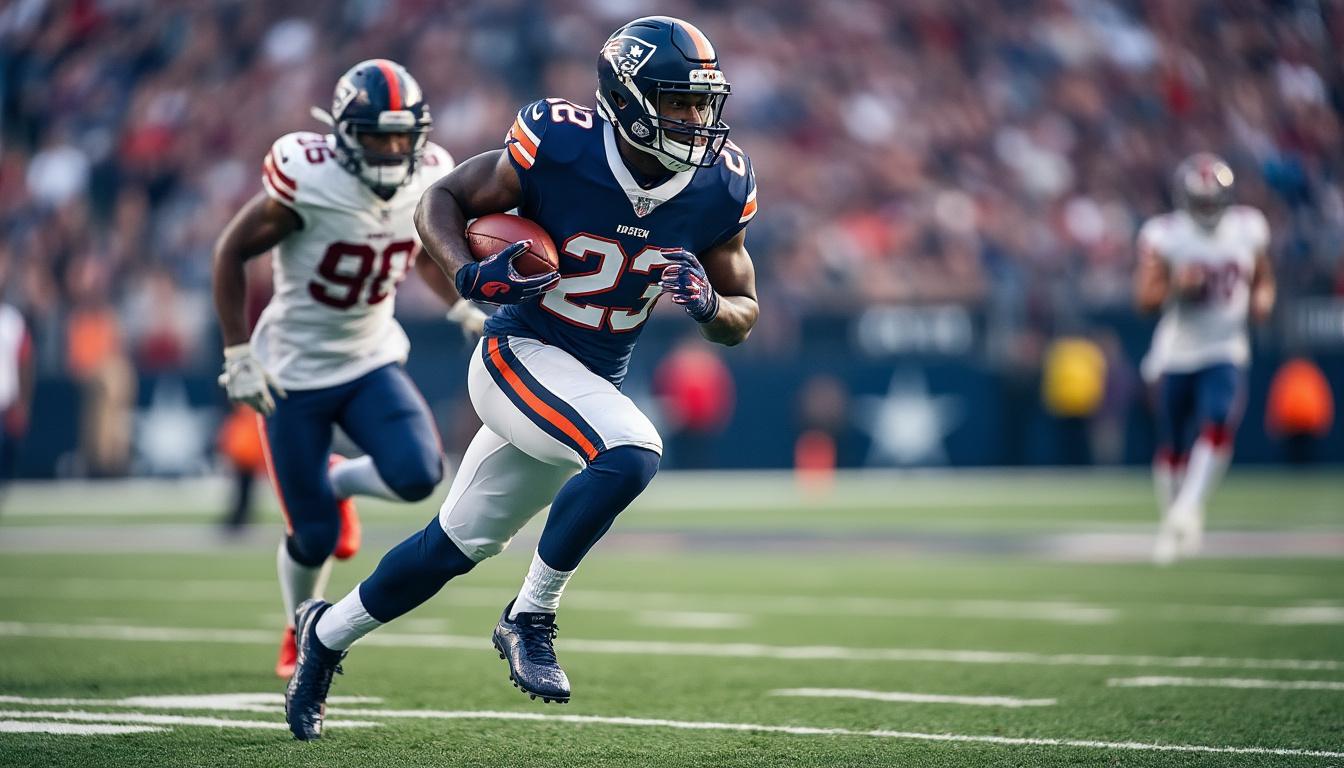

As the 2025 AFL season looms on the horizon, the spotlight shifts firmly towards the key forwards who could shape the competition’s fiercest battles. These towering figures don’t just kick goals—they embody the drama, power, and spectacle that make Australian Football irresistible. With every club sharpening its list and laying down tactical plans for dominance, the clash for supremacy centers on who will rise above in a league where every mark and goal counts. From emerging talents eager to explode onto the big stage to battle-hardened stars ready to cement their legacies, the next season promises a thrilling showcase of skill and heart in key forward roles.
Brief highlights:
- Key forwards are pivotal for AFL team success, providing crucial scoring power and strategic presence inside 50.
- Injury recoveries and offseason trades make the 2026 premiership race a battlefield for forward line supremacy.
- Emerging forwards and veterans alike are in form, setting the stage for an intense competition next season.
- Teams like GWS, Adelaide, and Brisbane hold strong forward lines, while Richmond faces challenges regenerating theirs.
- Understanding the balance of tall and small forwards offers insight into how clubs plan to dominate.
The Evolving Landscape of Key Forwards in the AFL December 26 2025 Spotlight
Key forwards remain the linchpin in Australian Football’s most intense battles, acting as the primary targets for inside 50 entries and goal opportunities. Their ability to command the skies, endure fierce defensive pressure, and convert chances is a vital ingredient for success that no club can afford to overlook. Heading into the next season, the spotlight on key forwards intensifies as both experienced stars and rising prospects prepare to dominate in a league that demands relentless performance and versatility. Unlike many sports where strikers operate mostly on instinct, AFL key forwards blend physicality, tactical awareness, and skill execution at an elite level.
Teams increasingly appreciate the importance of developing a dynamic forward line blend—combining tall, marking powerhouses with smaller goal sneaks who provide pressure and ground-level creativity. Players like last season’s Coleman Medallist Jesse Hogan for GWS showcase what the role demands—outmuscling defenders, leading with precision, and delivering on big occasions. Meanwhile, clubs rebuilding or evolving their forward stocks, such as Adelaide with forwards like Riley Thilthorpe, illustrate the exciting future talent ready to assert themselves.
However, this next AFL season will test not only forward players’ scoring prowess but their fitness and game-readiness. Injuries remain a constant unpredictable factor, often reshaping the trajectories of campaigns. For instance, the lingering impact of ACL injuries on some key players shapes their availability, forcing coaching staff to adjust tactical setups. In this context, monitoring rehab progress via sources like the AFL Injury Rehab Update becomes crucial for fans and analysts eager to understand which forwards might fire out of the gates or take time to hit peak form.
The AFL’s unique 360-degree style demands adaptability from key forwards, as they not only lead marking contests but also contribute defensively, pressuring opposition defenders and locking the ball in their attacking half. As several clubs prepare a blend of players to elevate their attacking structures, the December 26 2025 spotlight hints strongly at a season where key forwards don’t merely accumulate goals but create game-shaping moments.

Top Contenders Ready to Dominate AFL Forward Lines Next Season
The AFL 2026 season will be shaped tremendously by which key forwards rise to command their roles. It’s not only about who kicks the most goals, but also who influences the flow, controls marking contests, and provides a reliable target when the stakes are high. Several names have emerged as central figures in this conversation following consistent performances and tactical positioning in their teams.
Jesse Hogan (GWS Giants) returns as a formidable force, combining last season’s Coleman Medal-winning form with an enhanced understanding of pressure games. Hogan’s presence inside 50 marks a turning point in the Giants’ attacking structure, often drawing multiple defenders and creating opportunities for teammates such as Aaron Cadman and Jake Riccardi. Hogan’s ability to hold his ground under physical pressure makes him a nightmare matchup for any defence.
Similarly, Taylor Walker of Adelaide continues to prove his value, balancing experience with a recognisable ability to impact contests week in and week out. Despite a slight dip in goal output last year, his veteran composure and ability to attract the opposition’s best defender make him key to the Crows’ ambitions. Adelaide’s forward line depth also includes exciting talents like Riley Thilthorpe and Darcy Fogarty, who remain fit and motivated to evolve their performances.
Brisbane’s forward line, while challenged by the departure of Joe Daniher, still boasts strong collective firepower with players like Charlie Cameron and Eric Hipwood. Their chemistry and ability to rotate roles within the forward 50 hint at a balanced attack that could overwhelm defences not prepared for their sustained pressure and sheer depth. Additionally, young talents like Kai Lohmann and Zac Bailey supply the goal-scoring threat crucial to Brisbane’s sustained dominance in competition.
On the other side, teams like Richmond face rebuilding hurdles around their key forwards. Tom Lynch’s recent injury woes have exposed the Tigers’ need to identify or develop consistent tall scoring options to relieve pressure on their midfield. This transformation phase puts a spotlight on names like Noah Balta, who could step up, yet the pathway ahead is steep given the competition.
Fans and commentators will be watching closely to see how strategic movements in the offseason, captured in trade and draft summaries such as the Collingwood AFL trade and draft updates, affect forward dynamics across the league. Player movements and rehab trajectories can quickly redefine who holds the keys to hopes at finals success.
Essential qualities for key forward dominance in AFL competition
- Consistent marking ability under pressure, especially contested marks inside 50.
- Strong body work to withstand physical duels and protect the ball.
- Accurate and reliable goal-kicking ability in tight scenarios.
- Supporting run and carry ability, assisting midfield linkage transitions.
- High endurance to sustain output across quarters in a demanding 360-degree game.
Influence of Tactical Trends on AFL Key Forwards in 2026
The tactical evolution of AFL continues to influence how key forwards adapt and thrive. Modern coaching priorities emphasize versatility, meaning forwards are expected not only to be marking targets but also to integrate into fast-paced, dynamic game plans that include defensive pressure and transitional play. Analyzing 2026 tactical trends reveals a strategic shift where key forwards play multifaceted roles, contributing beyond pure scoring.
This tactical complexity elevates the importance of having forwards who are not just physically dominant but can also read the play, assist in forward defensive presses, and create scoring opportunities through intelligent leading patterns. Clubs like Fremantle and Gold Coast are pioneering this with forward lines blending tall targets like Josh Treacy and Bodhi Uwland with agile forwards capable of smothering defenders and applying relentless pressure.
Development programs continue to focus on enhancing forward players’ all-around skills, blending traditional marking prowess with modern demands for speed and stamina. As a result, the attraction of robust forward lines lies not only in their goal-kicking tally but in their ability to disrupt opposition structures across the field. The result is exciting footy, where the key forwards engage in battles not just at the goal square but across multiple zones.
For fans aiming to keep pace with these ongoing shifts, tactical insights published regularly, including tactical analysis for 2026 AFL, offer a valuable window into how these players might influence games. These perspectives also highlight how coaching leadership, as discussed in captain leadership standards, directly impacts forward line cohesion and execution.
Balancing Youth and Experience: The Forward Lines Poised for Success
The delicate act of balancing youth and experience is crucial for teams determined to contest the premiership in coming seasons. Forward lines often embody this balance, with young players hungry to prove themselves alongside seasoned campaigners who can anchor the unit during pressure moments. This blend can either ignite a team’s rise or expose vulnerabilities.
Consider GWS’s lineup, combining Hogan’s seasoned dominance with the youthful energy of Jake Cadman and Jake Riccardi, while Adelaide mixes Walker’s reliability with Thilthorpe’s emerging prowess. Such pairings create dynamic, adaptable forward structures capable of shifting gears mid-match. Similarly, Brisbane’s mix includes established stars and promising youngsters, giving coach a range of options to tailor strategy based on opposition and match context.
On the flip side, teams like Richmond illustrate the rebuilding pains when depth and continuity in forwards are lacking. Their reliance on unproven talent means their narrative next season will be as much about development as it is about competing. The challenge lies in blending emerging players with enough proven experience to assert authority in tight contests, a challenge compounded by the departure of seasoned forwards and midfield stalwarts.
| Team | Key Forwards | Experience | Potential for 2026 |
|---|---|---|---|
| GWS Giants | Jesse Hogan, Aaron Cadman, Jake Riccardi | High | Very Strong |
| Adelaide Crows | Taylor Walker, Riley Thilthorpe, Darcy Fogarty | Moderate | Strong |
| Brisbane Lions | Charlie Cameron, Eric Hipwood, Kai Lohmann | High | Very Strong |
| Richmond Tigers | Tom Lynch, Noah Balta | Moderate | Developing |
| Fremantle Dockers | Josh Treacy, Shai Bolton | Moderate | Strong |
Spotlight on Emerging Talents Ready to Dominate Australian Football
While established key forwards attract much attention, the next generation holds immense promise to redefine competition dynamics. Rising stars poised to deliver breakout performances bring fresh energy and unpredictability to forward lines. These players’ ability to seize the moment could become a critical factor in their teams’ quests for glory. Scouts and coaches are monitoring a handful of such talents who exhibit raw physical traits and developing game sense necessary for the role.
Players who have impressed through junior ranks and preseason form are primed to become household names, particularly those who adapt quickly to the rigorous demands of the AFL forward role. The evolving game style rewards forwards who can combine contested marking with explosive game-breaking runs and quick snaps. Insights on these promising players can be found in detailed resources like rising AFL talents 2026, offering a glimpse of the future stars ready to dominate.
Additionally, the preseason impact of emerging key forwards shapes expectations, as documented in AFLW preseason impact 2026, reflecting the broader trend of youth injections at all levels of Australian Football. This strengthening of talent pipelines promises a vibrant and competitive forward cohort in the years ahead, injecting fresh narratives and renewed enthusiasm for fans across the country.
List of emerging key forwards to watch in the coming season
- Riley Thilthorpe (Adelaide Crows) – possesses the size and athleticism to take contested marks and improve goal tally.
- Aaron Cadman (GWS Giants) – a former top draft pick with strong marking skills and the ability to disrupt opposition setups.
- Kai Lohmann (Brisbane Lions) – energetic forward known for smart leading patterns and goal conversion potential.
- Josh Treacy (Fremantle Dockers) – young tall forward with proven goal-scoring form from 2024, ready to step up as focal point.
- Darcy Fogarty (Adelaide Crows) – strong marking forward with the capacity to elevate performance under pressure.
What specific attributes make a key forward invaluable in AFL?
Key forwards combine exceptional marking ability, physical strength for contested possessions, goal accuracy, and tactical awareness to become primary targets inside 50, influencing matches decisively.
How do injuries affect the forward line dynamics in the AFL?
Injuries, especially to key tall players, force teams to adapt strategic approaches and rely on squad depth or emerging players, often impacting game plans and performance consistency.
Why is balancing youth and experience crucial for AFL forward lines?
A balanced forward line offers both energy and innovation from younger players alongside stability and composure from veterans, essential for navigating high-pressure scenarios throughout the season.
Which AFL teams have the strongest forward lines for the next season?
GWS Giants, Adelaide Crows, and Brisbane Lions currently boast some of the strongest and most balanced forward lines, combining elite talent and depth in 2026 projections.
How do tactical trends shape key forward roles in the modern AFL?
Evolving tactical priorities require key forwards to be versatile, contributing beyond goal scoring to defensive pressure, transition plays, and adaptable leading patterns within overall team strategies.