

The Australian Football League (AFL) is entering a pivotal phase as teams and coaches recalibrate their strategies in preparation for the 2026 season. With the 2025 campaign highlighting evolving gameplay dynamics, technological advancements, and a shifting talent landscape, coaches find themselves under immense pressure to innovate and adapt. This phase is marked not only by tactical shifts on the field but also by off-field transformations influenced by data analytics, player welfare, and recruitment strategies. How coaches blend these factors will shape the future of the AFL, intensifying rivalries and redefining team identities ahead of one of the sport’s most competitive periods.
Amid the relentless pace and physicality that characterize AFL matches, the subtleties of strategy often determine which teams stand atop the ladder. From the integration of real-time performance tracking with tools like Catapult Sports and Stats Perform to adjustments in defensive schemes influenced by Champion Data’s insights, the tactical chessboard is becoming more intricate. For fans and newcomers alike, understanding these changes offers a richer appreciation of the game’s depth—where every mark, intercept, and goal-related decision reflects hours of analysis and foresight.
Adding to this complex tableau, the AFL’s increasingly prominent women’s competition (AFLW) continues to influence coaching philosophies. The tactical nuances evident in the AFLW finals race and emerging playing styles across clubs are inspiring fresh approaches in the men’s league. Furthermore, player movements during the recent trade period, injury recoveries, and midseason form adaptations have compelled coaches to rethink rotations and squad management deeply. This multi-layered environment confronts coaches with pressing questions: How can they maintain competitive edge through innovation while nurturing team cohesion? Which tactical trends set the stage for success in 2026? This overview explores these challenges and the techniques clubs employ to thrive in a game evolving faster than ever before.
Adapting Tactical Systems: Key Shifts for the 2026 AFL Season
The foundation of any AFL campaign is its tactical system, and 2026 promises profound shifts as teams refine their playbooks following the lessons of 2025. Noteworthy is the surge in tactical fluidity—teams abandoning rigid positional play for flexible structures that respond instantly to game states. This dynamism requires coaches to instill adaptability in players and rethink traditional roles. For instance, midfielders are no longer just ball-winners but versatile athletes who toggle between attacking thrusts and defensive pressure roles within seconds.
One example can be seen in the increasing adoption of defensive schemes that emphasize intercept marking and zone defenses over traditional man-on-man matchups. Influenced by insights from Champion Data, teams like the Western Bulldogs have demonstrated how intercept-led defense can stifle opposition attacking drives by clogging key zones. This approach not only slows down opposition but also catalyzes swift counterattacks, turning defense into an offensive weapon.
- Multi-phase breakdowns: Coaches design sequences that alternate between pressuring opponents and swift ball movement to exploit defensive gaps.
- High forward pressing: Teams now encourage forwards to initiate defensive pressure, accelerating turnovers close to goal.
- Rotational midfield usage: Increased emphasis on interchanging midfielders to maintain relentless intensity throughout quarters.
- Adaptive ruck strategies: Leveraging airborne contests to gain first use while supporting midfielders with precise positioning.
Technology also plays a pivotal role in refining these tactical adjustments. The integration of Hawk-Eye Innovations systems enables coaches to analyze positional data with unprecedented accuracy. Real-time feedback during games facilitates on-the-fly modifications, empowering coaches to adjust line-ups, formations, and matchups instantly. The application of this data-rich approach is complemented by wearable tech from Polar and Catapult Sports, providing granular player performance metrics, such as heart rate variability and exertion rates. These insights inform load management and substitution tactics, helping to preserve athlete freshness during tight contests.
| Tactical Trend | Description | Impact on Game Flow |
|---|---|---|
| Intercept Zone Defense | Defensive units prioritize cutting off opposition passes by occupying strategic zones. | Reduces direct ball movement, increases counterattack opportunities. |
| Dynamic Midfield Rotation | Midfielders interchange regularly to fatigue opposition and sustain pressure. | Maintains high tempo, disrupts opponent formations. |
| Forward Pressing Defense | Forwards actively engage in defensive tackles high up the ground. | Promotes turnovers close to goal, increases scoring chances. |
| Tech-Driven Adjustments | Use of Hawk-Eye and Catapult for in-game tactical tweaks. | Offers rapid response to on-field developments, optimizes player output. |
Looking ahead, the trend towards tactical flexibility appears set to continue, with coaches investing heavily in preparing players for multifaceted roles. This crystallizes a broader shift where success hinges as much on cerebral preparation and situational awareness as on physical prowess.

Leveraging Player Movement and Trade Strategies for 2026
The offseason trade market and free agency period have reshaped team rosters extensively, forcing coaches to recalibrate lineups for the new campaign. Key player acquisitions and losses influence the tactical blueprints coaches devise, while managing squad chemistry remains paramount. Recent tracking data and trade analysis illustrate how fresh personnel are integrated into existing systems and impact game plans.
A prime example is the strategic moves by several clubs capitalizing on emerging young talent and experienced leaders to balance youth and maturity. According to recent trade insights observed on trade and free agency tracker, teams are actively filling specialist roles, such as intercept defenders and goal-kicking forwards, to complement evolving game styles.
- Targeted recruitment: Identifying players with unique skill sets tailored for specific tactical functions.
- Youth integration: Building future core groups by blending rising stars with seasoned performers.
- Position versatility: Seeking players able to adapt across multiple roles to enhance team fluidity.
- Managing player fatigue: Balancing match-day loads to fight season-long wear and tear utilizing data from Polar and Catapult Sports.
Player movement impacts more than just team composition; it shifts the entire competition landscape. For instance, clubs contending for finals often bolster key positions, like midfield or defense, to address previous weaknesses. Conversely, rebuilding teams may focus on acquiring high-potential draftees, preparing to dominate in coming seasons.
This season’s trade period winners and risks highlight the carefully curated plans from coaching staffs—moves that could dictate team fortunes come finals. Coaches now face the dual challenge of holding tactical consistency while accommodating new playing styles, ensuring a cohesive blend ready to tackle the AFL’s relentless challenges.
| Player Movement Type | Examples | Impact on 2026 Tactics |
|---|---|---|
| Experienced Intercept Defenders | Acquisition of players strong in reading the play and cutting lines | Strengthens defensive resilience and counterattacking potential. |
| Versatile Midfielders | Youthful recruits capable in multiple midfield roles | Boosts tactical flexibility and midgame rotations. |
| Talented Forwards | Goal scorers with pressure skills | Enhances forward press and scoreboard impact. |
| Draftee Integration | High draft picks targeting future team core | Secures long-term competitiveness. |
As coaches experiment with different combinations and roles, regular season form and injury management emerge as critical concerns. Clubs are increasingly employing advanced technology like Stats Perform and Hawk-Eye Innovations to track player workloads and injury risks. This data-driven approach is gradually transforming AFL coaching into a synergistic blend of science, sports, and strategy.
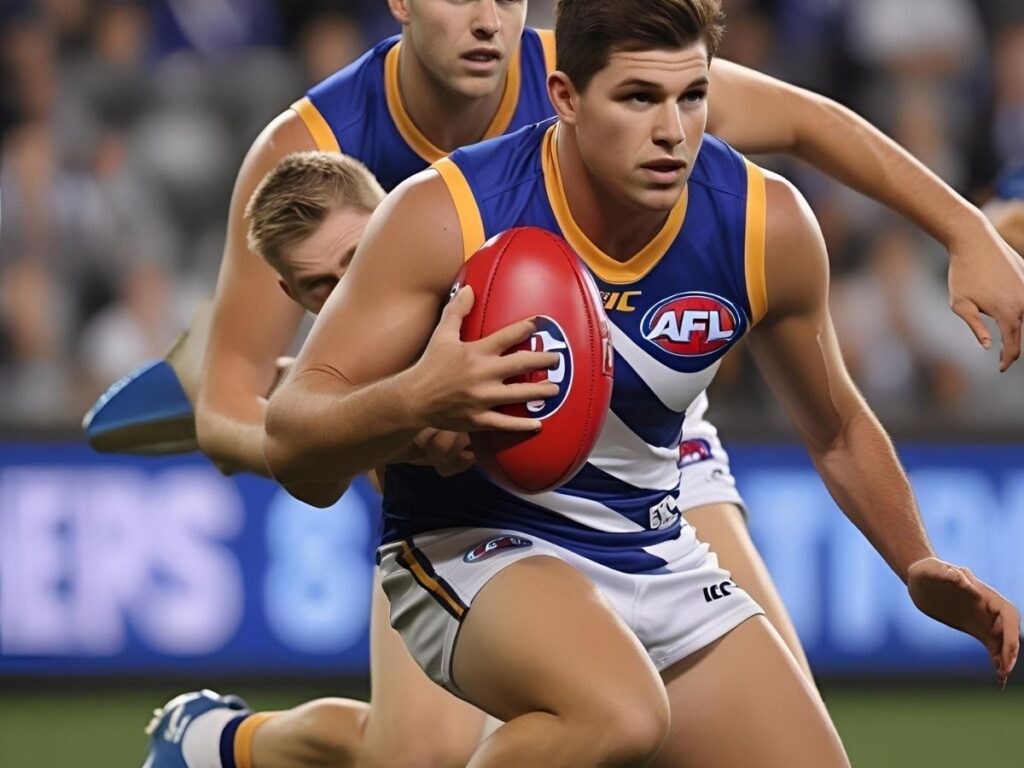
Incorporating Cutting-edge Data Analytics to Enhance Game-day Tactics
The role of data analytics in AFL coaching has transcended beyond post-match analysis into live decision-making and predictive modeling. The 2025 season observed a surge in teams partnering with analytics firms to harness deep insights that fine-tune tactics and player management.
One of the standout innovations is the application of real-time positional tracking and biometric data collected through partnerships with Stats Perform and Catapult Sports. These insights empower coaches to monitor player exertion, recovery, and spatial positioning, optimizing rotations and tactical adjustments mid-game. For example, advanced metrics on contested ball rankings and inside 50 impact—such as highlighted in reports on players like Christian Petracca—help strategists decide when to rotate key players for maximum influence.
- Real-time load monitoring: Using wearable devices to adapt player activity during matches.
- Spatial data analysis: Mapping player movements to identify strengths and vulnerabilities.
- Opponent pattern recognition: Leveraging historical data to predict opposition tactics.
- Player-specific role optimization: Tailoring tasks to match evolving player form and fatigue levels.
| Analytics Tool | Function | Coaching Benefit |
|---|---|---|
| Stats Perform | In-depth performance stats and predictive analysis | Informs player selection, opposition analysis, and tactical shifts. |
| Catapult Sports | Player tracking and workload monitoring | Prevents overexertion, improves fitness management. |
| Hawk-Eye Innovations | Video-assisted decision-making and spatial tracking | Enables precise, data-driven in-game adjustments. |
| Champion Data | Comprehensive AFL statistics database | Identifies trends and strengths for game plans. |
Data analytics have also begun reshaping how coaches prepare for specific match-ups. By analyzing detailed form indexes and player tendencies, such as seen in AFLW form tracking or contested ball rankings, coaching teams simulate various scenarios. This preparation helps formulate contingency plans that can be implemented instantly, an edge critical in tightly contested fixtures.
Player Welfare and Load Management: Keeping Athletes at Peak Performance
Maintaining player health amid the relentless physical demand of AFL matches is a top priority for coaching staffs preparing for 2026. The stakes in competitive matches are high, so coaches meticulously balance training intensity with recovery protocols, often guided by cutting-edge monitoring tools from partners like Polar and Catapult Sports.
Player welfare extends beyond injury prevention to encompass mental health and lifestyle management. Teams increasingly collaborate with sports psychologists and medical staff to ensure holistic preparation. Modern load management regimes include detailed workload tracking during weekly training and games paired with individual recovery strategies, minimizing burnout risks.
- Data-guided training loads: Tailoring sessions to avoid overtraining while maximizing fitness.
- Personalized recovery programs: Utilizing cryotherapy, physiotherapy, and monitoring devices to accelerate rehabilitation.
- Mental resilience support: Integrating psychological wellbeing into training regimes.
- Adaptive game-time decisions: Real-time monitoring to substitute or rest players showing fatigue.
| Welfare Aspect | Approach | Expected Outcome |
|---|---|---|
| Physical Load Monitoring | Wearables tracking heart rate, exertion, and movement | Reduced injury risk, optimal game readiness. |
| Recovery Interventions | Therapies and rest protocols customized per player | Faster return to peak condition. |
| Mental Health Programs | Psychological counseling and stress management | Improved focus and resilience under pressure. |
| In-game Fatigue Detection | Real-time data triggering substitutions | Maintains intensity across entire match. |
Coaches are embracing this comprehensive approach not only to safeguard their brightest stars but also to extract consistently high performance through an entire 22-match season. As the competition intensifies, those who manage player welfare most effectively will likely maintain a competitive edge deep into the finals series.
Emerging Coaching Philosophies Impacting the 2026 AFL Season
Innovative coaching philosophies are steadily reshaping how AFL teams approach the game, shifting the focus towards more player-driven and adaptable systems. The traditional command-and-control model is giving way to approaches that empower players with greater autonomy, encouraging creativity and in-the-moment decision-making on the field. This paradigm aligns with evolving game speeds and complexity, forging tougher, more responsive teams.
Clubs are now emphasizing three critical philosophies that will dominate the 2026 AFL season:
- Situational Intelligence: Training players to read the game effectively and make split-second tactical decisions without relying solely on sideline instructions.
- Collaborative Leadership: Developing leadership groups that share responsibility for tactical execution and team morale.
- Flexible Game Plans: Creating layered strategies that dynamically shift depending on opposition and match circumstances.
The success of these philosophies was evidenced in the latter stages of the 2025 season with teams like Geelong and Brisbane showcasing flexibility and mental toughness. Their ability to tweak strategies during games, swap roles interchangeably, and maintain composure under pressure enabled them to edge out rivals during tight contests.
| Philosophy | Core Concepts | Impact on Team Performance |
|---|---|---|
| Situational Intelligence | Player autonomy, quick reading of play | Creates unpredictable, adaptable gameplay. |
| Collaborative Leadership | Distributed leadership, shared accountability | Enhances team cohesion and resilience. |
| Flexible Game Plans | Multi-layered tactics, contingency planning | Improves match-day responsiveness and adjustment. |
Moreover, these philosophies are supported by comprehensive data analytics and traditional coaching wisdom, blending to form a well-rounded approach in preparation for 2026’s challenges. As seen in emerging reports on offseason tactics and game fixes, this hybrid style will likely become a mainstay across the league.