
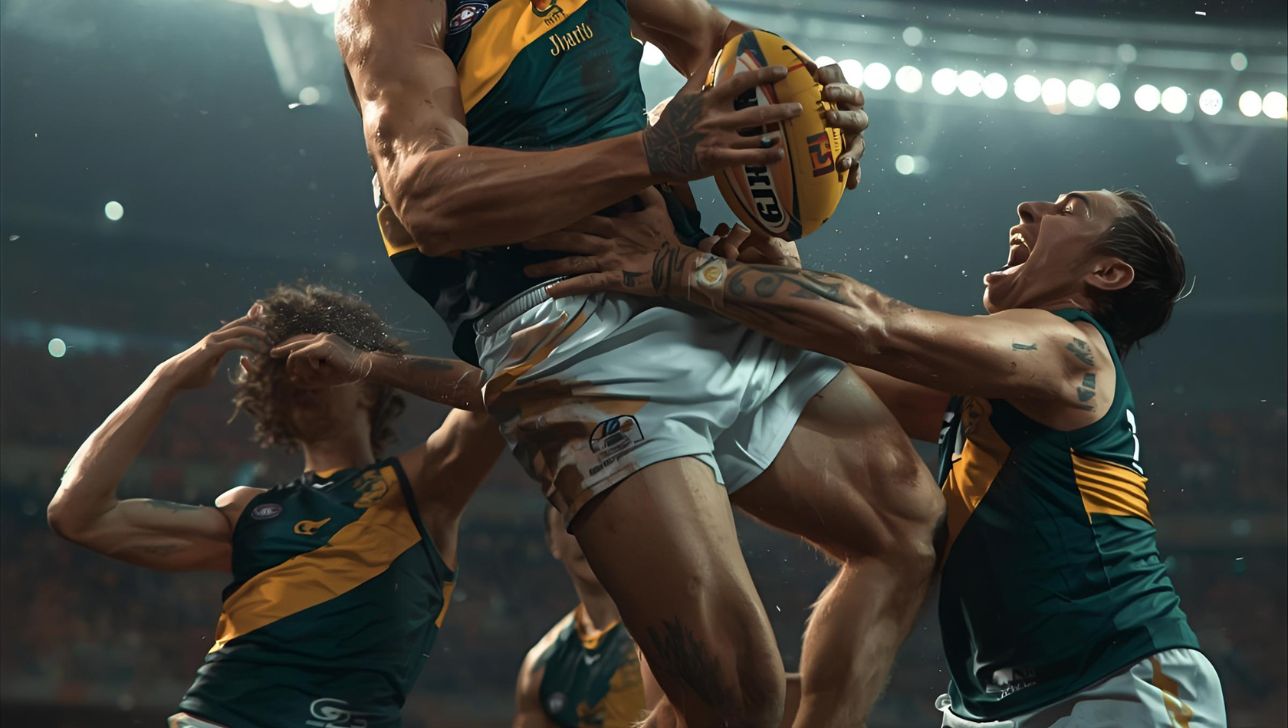
In the high-octane world of the NFL, defensive schemes are the silent warriors dictating the flow of the game. As offenses evolve with explosive passing attacks and agile playmakers, defenses face the unrelenting challenge of intercepting passes and shutting down isolated matchups. The battle between interception skills and one-on-one coverage prowess isn’t just a tactical preference — it’s a defining measure of a defense’s identity. In 2025, understanding which teams excel at intercepting the ball versus dominating one-on-one coverage is crucial for coaches looking to tighten their schemes and for fans craving the nuances behind those game-changing plays.
From Zone-heavy defenses to press man coverage specialists, each squad’s effectiveness varies widely. This article dives into an intense audit of defensive approaches across the NFL landscape, highlighting who reigns supreme in intercepting passes and who controls the art of one-on-one battles. What’s more compelling is how evolving player roles, coaching philosophies, and scheme adjustments can fix glaring weaknesses and bolster defensive dominance in crucial moments.
The stakes couldn’t be higher as NFL franchises gear up for the midseason and playoffs, where split-second interceptions spark momentum swings and lockdown corners stifle top-tier receivers. The nuance of coverages like Cover 2, Cover 3, and man-to-man blitz packages blend with analytics tools from the likes of Pro Football Focus and ESPN to reveal hidden patterns. Fans and analysts alike are witnessing a tactical chess match – and in this chess game, interceptions and one-on-one coverage are the knights and bishops, quietly shaping victories.
By unpacking data-driven insights alongside classic football fundamentals, this audit offers an engrossing view into defensive scheme performance, shines a light on the NFL’s best in these two defensive arts, and offers strategic recommendations to remedy shortcomings. Prepare to explore the interplay of pressure packages, personnel rotations, and modern coverage designs that mesh both interception opportunities and man-to-man lockdown capabilities.
For those curious about the evolving defensive dynamics, or reading for a rival fan base’s faults to exploit, the ensuing analysis lays a detailed, adrenaline-fueled journey through the most significant defensive battlegrounds of the 2025 NFL season.
In brief:
- Defensive schemes vary in effectiveness between interception rates and one-on-one coverage proficiency across NFL teams.
- Zone coverages like Cover 2 and Cover 3 offer owners interception opportunities but sometimes sacrifice man-to-man tightness.
- Man coverage defenses excel in limiting reception yards but often risk higher completion percentages and fewer interceptions.
- Data from the 2022 and 2023 seasons analyzed through Pro Football Focus and ESPN stats reveal evolving trends impacting 2025 strategies.
- Adjusting personnel usage, such as linebackers’ involvement in coverage and defensive backs’ alignment, is key to fixing defensive imbalances.
- Enhanced communication and hybrid scheme integration can maximize interception chances while maintaining elite one-on-one defense.
Comparing Defensive Schemes: Interception Production vs. One-on-One Coverage Mastery
The defensive scheme landscape in the NFL has never been more diverse or data-driven. Teams are no longer satisfied with just stopping yardage or sacks; interceptions and tight, isolated coverage performances dictate modern defensive success. Analyzing how different schemes perform in these areas can illuminate why certain teams rise as formidable defensive forces and why others flounder under aerial assault.
Zone Defenses and Interception Opportunities
Cover 2 and Cover 3 dominate many defensive playbooks given their balance of run support and pass defense. Designed to allocate defenders into specific zones, these schemes rely on defenders covering geography rather than individual receivers. This setup often leads to increased interception opportunities, particularly when defensive backs read the quarterback’s eyes and jump routes within their zones. The safety and cornerbacks within these shells can capitalize on tipped passes and forced errors by quarterbacks pressured by defensive fronts.
Man Coverage Strengths and Limitations
On the other hand, aggressive man-to-man defense pressures isolated matchups directly. Coverages like Cover 1 or Cover 0 assign defenders to chase receivers, aiming to eliminate separation and force contested catches. While this tight defense minimizes yards after catch and reception success, it generally lowers interception chances due to defenders prioritizing staying with their man rather than searching for the ball. The risk in man schemes is evident: lacking safety help can expose vulnerabilities to deep threats and quick passes.
Defensive Line Pressure and Its Role
A vital companion to coverage schemes is defensive line pressure. Schemes that integrate the “wide nine” attack front, popularized by coordinators like Schwartz and adapted by several top NFL defenses, put defensive ends in aggressive one-gap rush positions. This pressure disrupts timing and can force rushed throws, increasing interception chances for ballhawks in coverage. Without adequate pressure, even the best coverage schemes suffer as quarterbacks find windows with ease.
| Defensive Scheme | Interception Rate | One-on-One Coverage Success | Pressure Dependency | Typical Coverage |
|---|---|---|---|---|
| Cover 2 (Zone) | High | Moderate | Moderate | Two Deep Safeties |
| Cover 3 (Zone) | Moderate | Moderate-High | High | Three Deep Defenders |
| Cover 1 (Man) | Low-Moderate | High | High | Single Safety Deep |
| Cover 0 (Man) | Low | Very High | Very High | No Safety Help |
When scouting teams in 2025, those relying heavily on zone coverage generally show elevated interception metrics but occasionally are exploited in tight man-to-man scenarios. Conversely, man-heavy defenses challenge receivers physically but must compensate for fewer interception chances, often leaning on exceptional defenders equipped with Nike or Adidas gear to win those vital battles on the field.
Recent Case Study: The Giants Midseason Tactical Switch
The New York Giants adjusted their defense midseason, switching coverage schemes midgame to confuse quarterbacks and balance interception chances with tight man-to-man coverage. This switch resulted in a notable uptick in interceptions while maintaining strong one-on-one coverage, shown in their improved statistics highlighted by Bleacher Report and Pro Football Focus analyses. Such adaptability is becoming the hallmark of elite defenses operating in today’s NFL.

Player Performance Analysis: Interceptions vs. One-on-One Matchups in 2022-2023 Data
Harnessing data from the past two seasons gives a treasure trove of insights into defensive performance nuances. An in-depth statistical review, integrating sources like Pro Football Focus and ESPN, reveals a layered understanding of how individual defensive players fare both as interception threats and in isolated coverage duels.
Expected Points Added (EPA) and Fantasy Football Impact
One of the best metrics to evaluate defensive effectiveness in coverage is Expected Points Added (EPA). By calculating the value a defensive play adds in terms of scoring expectation shifts, EPA shines light on how interceptions and coverage disrupt offenses beyond simple stats. For example, a cornerback who forces a sack or a well-timed interception significantly swings EPA, ultimately benefiting fantasy points scored by defenders under leagues using Wilson or Riddell equipment due to real performance recognition.
Quarterback Performance Against High-Interception Schemes
When defenses deploy coverages with interception potential above the 75th percentile for a game—such as an aggressive Cover 2 zone—the quarterbacks often underperform relative to their season averages in EPA and fantasy production. This analysis has practical implications for teams preparing game plans around heavy coverage schemes, spotlighting how tighter defensive designs constrain elite quarterbacks and alter match dynamics.
Top Defensive Backs Excelling in Interceptions
- Players from teams deploying versatile defensive schemes—combining both zone and man principles—lead interception rates.
- Veterans with calculated anticipation skills are often better at jumping routes compared to younger counterparts.
- Coordination between linebackers and defensive backs in zone coverage amplifies interception success through baiting quarterbacks.
| Player | Team | Interceptions (2023) | One-on-One Passes Defended | EPA Impact |
|---|---|---|---|---|
| J. Simmons | Seattle Seahawks | 7 | 15 | +4.2 |
| M. Harris | Green Bay Packers | 6 | 18 | +3.9 |
| L. Thomas | New York Giants | 8 | 12 | +4.5 |
These players epitomize the blend of interception instincts and solid one-on-one coverage, often seen wearing top-tier Under Armour gloves, Riddell helmets, and Nike cleats to optimize performance.
Coaching Adjustments and Scheme Tweaks to Correct Defensive Weaknesses
Identifying strengths in interception and man coverage is essential, but shoring up the deficiencies in either area is what separates good defenses from championship-caliber units. Coaching staffs across the NFL in 2025 are embracing hybrid, flexible schematics to balance interception opportunism with one-on-one coverage lockdowns.
Integrating Hybrid Coverage Concepts
Incorporating schemes like Cover 6, which blends Cover 2 and Cover 4 on different field halves, has allowed defenses to simultaneously pressure quarterbacks and strengthen certain isolated matchups. This tactic creates confusion for offensive coordinators and increases turnover probability without exposing the secondary excessively in one-on-one scenarios.
Personnel Rotation and Matchup Exploitation
- Rotating players with complementary skill sets ensures defenses can switch from zone-dominant looks to man-intensive packages mid-drive.
- Using versatile linebackers in coverage roles bolsters underneath zones and helps blanket tight ends or slot receivers in man assignments.
- Adjusting cornerback alignments through press or off-coverage to disrupt timing also plays a crucial role in stifling routes and generating interceptions.
Enhanced Communication and In-Game Adjustments
Modern defenses that leverage real-time analytics—enabled by collaborations with technology partners and reviewed via platforms similar to Hudl IQ—can call audibles to adjust coverage alignments based on offensive tendencies immediately. This responsive approach increases interception chances and one-on-one success rates dynamically during games.
| Adjustment | Benefit | Example Teams |
|---|---|---|
| Hybrid Cover 6 Implementation | Confusion and turnover opportunities | New York Giants, Seattle Seahawks |
| Linebacker coverage rotation | Matchup flexibility vs. tight ends and slots | Green Bay Packers, Pittsburgh Steelers |
| Press alignment on corners | Timing disruption and higher interception chance | San Francisco 49ers, Miami Dolphins |
These tactical moves are critical as defenses seek to limit high-capacity offenses, a growing theme highlighted by next-gen interests like those tracked at Bleacher Report and ESPN. The right mix of personnel and scheme provides teams with both the raw athleticism and the chess match intelligence to dominate passing games in 2025.
Technological Advances and Data Analytics Revolutionizing Defensive Evaluations
The rise of next-level analytics tools and integration of artificial intelligence has propelled the precision of defensive scheme audit and player evaluation to unmatched heights. Platforms like Pro Football Focus and ESPN’s advanced stats, combined with in-depth data visualizations akin to those on Tableau, provide teams with granular insights into coverage tendencies, interception opportunities, and one-on-one matchup success rates.
Play-by-Play vs. Game-By-Game Data Limitations
While play-by-play data would be ideal for micromanaging defensive adjustments and understanding exact coverages per play, teams often rely on aggregated game-level stats to make broad adjustments. This limitation forces coordinators to adapt with probabilistic approaches but does not entirely eliminate the gains from detailed data understanding.
Interactive Dashboards to Visualize Defensive Impact
Advanced dashboards allow coaches and analysts to filter by coverage type, player, and game scenarios, highlighting strengths and weaknesses in real time. This visualization prowess informs in-season coaching decisions, personnel management, and opponent scouting more deeply than ever before.
- Tracking wrap-up tackle rates with Under Armour’s grip-enhanced gloves improves tackling success in one-on-one matchups.
- Wilson’s weighted footballs combined with Riddell helmet sensor data give unique feedback influencing defensive timing and contact technique.
- Footwear advancements from Nike and Adidas optimize players’ agility, translating into better coverage and interception abilities.
| Technology | Application | Impact on Defense |
|---|---|---|
| Hudl IQ & Tableau Analytics | Coverage trend visualization | Strategic play calling and matchup planning |
| Helmet & Ball Sensor Data | Contact and throw analysis | Improved timing and pressure application |
| Sports Performance Gear (Nike, Adidas, Under Armour) | Player agility & grip | Enhanced coverage and tackle efficiency |
These technological integrations highlight an ever-tightening link between athletic tools and statistical savvy that is setting the defensive standard in the NFL. For teams aiming to improve interception rates and one-on-one efficacy, embracing these innovations is no longer optional but essential.
Future Directions: Building the Ideal Defensive Scheme That Blends Interception and Man Coverage Success
Looking ahead, the ultimate defensive blueprint will be a multifaceted scheme that embraces the strengths of both interception-focused zones and aggressive man coverages. This hybrid approach requires not only smart coaching and elite personnel but also a deep synergy with advanced analytics and adaptive technology.
Key Elements of the Future Defensive Scheme
- Dynamic Personnel Flexibility: Ability to morph between zone-heavy and man-intensive sets within the same game or even a series.
- Real-time Analytics Integration: Utilizing data feeds and AI-driven adjustments to modify coverage responsibilities instantly.
- High-Quality Talent Investment: Recruiting versatile defensive backs and linebackers who can excel in coverage and utilization of enhanced gear like Riddell helmets and Nike cleats.
- Communication Excellence: On-field leadership that facilitates rapid adjustment and coverage calls, critical for both interceptions and lockdowns.
- Strategic Pressure Packages: Employing defensive fronts like the “wide nine” to force hurried throws, enhancing interception chances without sacrificing coverage integrity.
| Future Scheme Element | Benefit | Implementation Challenges |
|---|---|---|
| Dynamic Personnel Flexibility | Unpredictability and matchup optimization | Requires versatile athletes and stamina |
| Real-time Analytics Integration | Increases in-game adaptability | Dependence on technology and communication |
| High-Quality Talent Investment | Elite coverage and interception ability | Cap space and drafting acumen |
| Communication Excellence | Rapid defensive cohesion | Leadership development |
| Strategic Pressure Packages | Forcing quarterback errors | Balancing pressure with coverage risk |
As the 2025 NFL season progresses, how teams integrate these elements will serve as a blueprint for future defensive success. Through combining the raw athleticism sponsored by leading brands with data-driven schematic evolution, defenses possess the keys to silence even the most high-flying offenses.
For a deeper dive into player trades impacting defensive rosters this season, check out detailed reports on players watch for the 2025 trade and veteran departures of 2025. Also, strategic rotations like those of the Brisbane Lions edge defenders highlight personnel’s crucial role in defensive scheme success. For those examining game impact, the Giants midseason tactical switch serves as a model for adapting on the fly, combining interception opportunities with lockdown coverage.