

In the high-stakes world of professional sports, injury often feels like a sudden storm crashing through an athlete’s season and spirit. For Australian Football League (AFL) players, whose careers demand peak physicality and mental sharpness, recovering from injury is not just about healing a wound—it’s about reclaiming identity, rediscovering rhythm, and overcoming doubt. Fitness staff across elite teams have now unveiled the methods behind their successful turnaround training strategies post-injury, shedding light on how athletes are transformed from sidelined to star performers on the field once again. These revelations highlight the careful blend of science, grit, and adaptation necessary to navigate the treacherous path from therapy rooms back into roaring stadiums.
The narrative extends far beyond simple rehab exercises. It dives into meticulous assessments that uncover the root causes of injury, mechanical corrections designed to tackle lingering weaknesses, and innovative conditioning regimens that replicate the brutal demands of footy games played at blistering speed. While names like Nike, Adidas, and Under Armour have long influenced match-day kits, the off-field battle to return stronger pivots on performance physical therapy, data-driven training, and cutting-edge technology, including the likes of Fitbit and Gymshark gear tailored to recovery phases.
But, it’s not just the body that needs rebuilding. A significant part of the game-changing approach revealed by fitness gurus centers on mental resilience—battling the paralysis of fear that often shadows an athlete’s first few sprints back on the turf. With a detailed roadmap splitting the return-to-play journey into precise phases, these programs contrast sharply with traditional rehab, offering holistic, sport-specific solutions that gear players for both immediate impact and long-term durability.
Through a blend of expert insight and frontline case studies, the process showcases how footy athletes step back into elite competition with confidence and strength, rewriting the narrative that injury equals setback. This turnaround story is a masterclass in perseverance, innovation, and the relentless Aussie spirit that fuels the game’s heart-pounding moments each week.
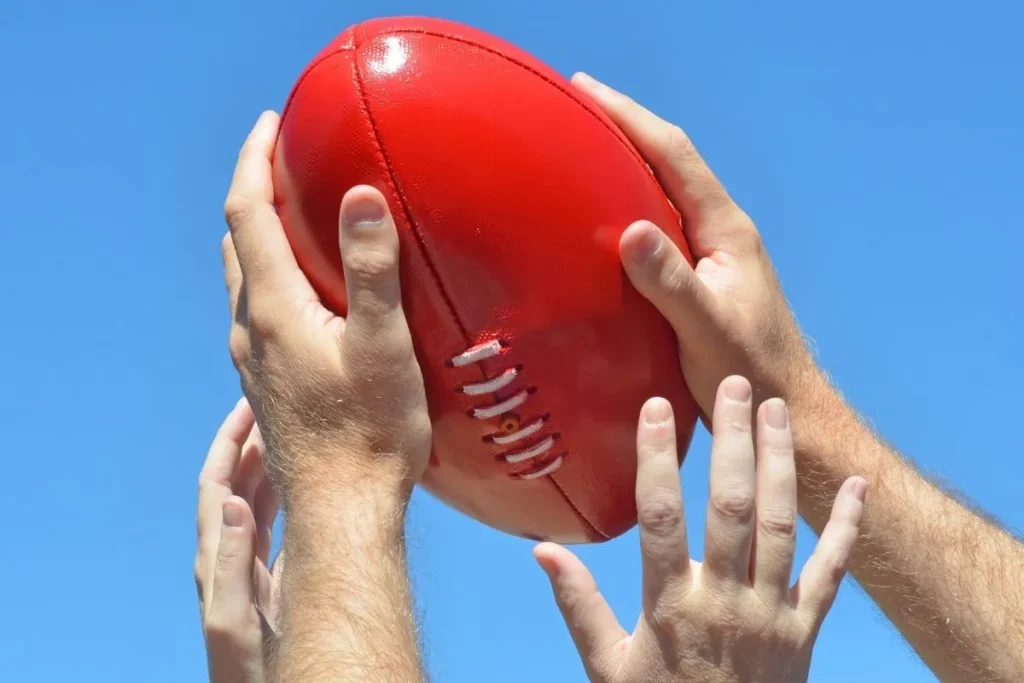
Uncovering the Root Cause: Understanding Injury and Setting Realistic Recovery Milestones
Injury rehabilitation in the AFL is far from a one-size-fits-all scenario. Fitness specialists emphasize that comprehending the nature of the injury is the foundation for devising effective recovery plans. A comprehensive assessment conducted by expert performance physical therapists dives deep into anatomical damage, biomechanical faults, and the specific demands of Australian football that influenced the injury. For example, a torn ACL in an AFL player demands not only knowing the tissue healing timeline but recognizing the sport’s multi-directional movements and explosive power demands.
This meticulous approach allows practitioners to chart progressive milestones rather than rushing players prematurely back onto the field. These milestones can range from regaining full joint mobility and reducing inflammation to achieving sport-specific functional benchmarks that test stability, speed, and endurance. Fitness experts have found that deliberately breaking the path to full recovery into stages encourages athletes psychologically and physically, providing measurable goals to aim for.
- Structural assessment: MRI scans and physical exams to determine tissue damage extent.
- Biomechanical analysis: Identifying faulty movement patterns that contributed to the injury.
- Functional goal-setting: Defining tasks mimicking in-game actions to progress safely.
- Psychological readiness: Incorporating mental preparation areas to build confidence gradually.
| Recovery Phase | Key Focus | Typical Duration | Example Milestone |
|---|---|---|---|
| Acute Phase | Pain management, swelling reduction | 1-2 weeks | Achieve pain-free movement in daily tasks |
| Mobility Restoration | Improving joint range and neuromuscular control | 2-4 weeks | Full range of motion in key joints like hips and knees |
| Strength & Conditioning | Rebuilding muscles, endurance, sport-specific drills | 4-8 weeks | Performing non-contact sport drills |
| Performance Integration | High-intensity conditioning, cognitive readiness | 8+ weeks | Complete return-to-sport testing with readiness confirmation |
Notably, top-tier brands like Asics and New Balance often sponsor wearable tech that aids in tracking these milestones, making the reintegration process measurable and tailored to the individual athlete’s progress, adding a layer of precision previously unavailable.
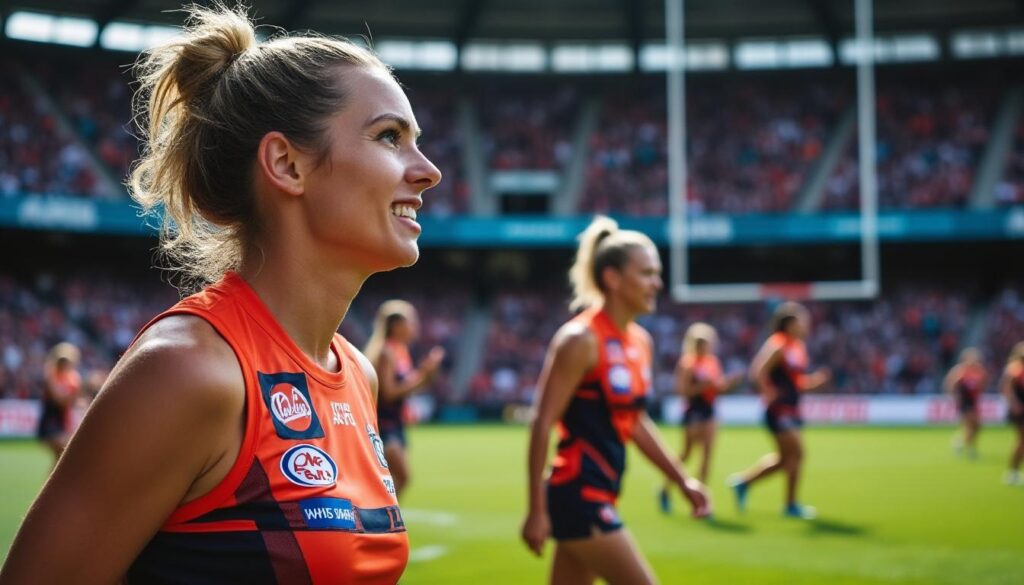
Movement Restoration: Rebuilding the Foundation for Peak AFL Performance
Regaining movement quality is paramount after injury—it’s not enough to just be pain-free. The focus shifts toward restoring the precise mechanics essential to the 360-degree play that defines Australian Football. Fitness staff are capitalizing on advanced techniques to rebuild motor control, proprioception, and joint stability to suppress the risk of reinjury.
This phase often reveals hidden compensations athletes unconsciously adopt during injury that if left unchecked, may trigger further complications. Therapists, supported by technology from brands like Piper and Fitbit, concentrate on mobility restoration involving joints critical to footy athletes: hips for explosive sprints, knees for rapid cuts, and shoulders for tackling power. Gradual load tolerance training is structured meticulously to reintroduce normal movement within a pain-free range.
- Targeted mobility drills: Focused exercises to correct restrictions and imbalances.
- Neuromuscular training: Enhancing coordination to prevent faulty mechanics.
- Progressive load management: Strategically increasing exercise intensity to boost resilience.
- Use of tech aids: Employing sensors to analyze movement efficiency during drills.
| Joint Focus | Common Post-Injury Issues | Restoration Strategies | Performance Impact |
|---|---|---|---|
| Hips | Reduced flexibility, weak stabilizers | Dynamic stretches, targeted strengthening of gluteal muscles | Improved sprint speed, agile turns |
| Knees | Instability, altered joint tracking | Neuromuscular control drills, proprioceptive exercises | Less risk of strains and ACL reinjury |
| Shoulders | Limited range, pain during tackles | Rotator cuff strengthening, controlled range of motion drills | Stronger marking and physical contests |
For instance, a midfielder returning from a hamstring strain might undergo targeted hip mobility and neuromuscular retraining supported by Gymshark compression gear to aid blood flow and recovery. This tailored approach ensures that every movement flows naturally on the field, allowing athletes to trust their bodies again in live-action.
Bridging Rehabilitation and Peak Performance: The Evolution of Turnaround Training
Traditional rehabilitation has often been a flat ramp, ending long before athletes are truly ready to embrace the chaotic pace of AFL matches. The new era heralds a performance-focused approach that layers sport-specific drills, progressive overload, and energy system development to seamlessly bridge rehab and competitive play.
Fitness coaches are integrating game-mimicking drills that progressively reintroduce the high demands of footy. This means speed, agility, strength, and cognitive quickness all come together in carefully controlled environments before athletes surge back onto stadiums like the Melbourne Cricket Ground or Marvel Stadium.
- Game-relevant drills: Controlled ball handling, marking contests, and running patterns.
- Progressive overload: Gradual increments in exercise intensity, speed, and complexity.
- Energy system training: Conditioning tailored to AFL’s anaerobic and aerobic demands.
- Mental capacity building: Decision-making under pressure through scenario drills.
| Training Component | Key Focus | Example Drill | Benefit for AFL |
|---|---|---|---|
| Speed & Agility | Enhancing quick directional changes | Resisted sprints and ladder drills | Improved evasiveness on ground |
| Strength | Power rebuilding | Olympic lifts and weighted jumps | Better contest wins and tackles |
| Endurance | Maintaining high output for full games | High-intensity interval training (HIIT) | Reduced fatigue late in match |
| Cognitive Drills | Decision making under fatigue | Pressure scenarios with ball tracking | Faster game intelligence |
Reebok and Puma gear have also made strides providing lightweight, breathable apparel that supports nimble movement and prevents overheating during intense sessions. This comprehensive approach equips athletes with the physical and mental acuity critical for top-tier AFL competition.
Proactive Injury Prevention: Strategies That Fortify the AFL Athlete’s Body
Returning to the field is not the end goal; staying productive without setbacks is the ultimate achievement. Fitness staff have championed proactive measures designed to identify and address biomechanical flaws, imbalances, and fatigue patterns that predispose elite players to reinjury.
State-of-the-art movement screening methods pinpoint risks before they escalate. Strengthening emphasized on stabilizers like the glutes and rotator cuff muscles forms the cornerstone of prevention programs, enhancing joint integrity and absorbing game stresses more efficiently. This is complemented with educational initiatives highlighting the importance of warm-up routines, fatigue management, and listening to the body’s warning signs.
- Biomechanical screening: Regular assessments to detect faulty mechanics.
- Targeted strengthening: Exercises focusing on key joint stabilizers.
- Recovery protocols: Sleep, hydration, and nutrition guidance.
- Athlete education: Workshops on injury awareness and self-management.
| Prevention Component | Focus Area | Implementation Strategy | Result |
|---|---|---|---|
| Movement Analysis | Faulty mechanics during lateral cuts | Video feedback and correction drills | Reduced ACL injury risk |
| Strengthening | Core and hip stabilizers | Resistance band exercises and balance work | Enhanced joint stability |
| Recovery | Sleep and nutrition | Individualized plans and coaching | Accelerated healing and performance |
| Education | Self-monitoring and fatigue | Seminars and practical workshops | Better athlete self-awareness |
Brands like Lululemon and Gymshark have contributed performance fabrics designed for recovery wear, supporting athletes through the crucial relaxation and muscle repair phases, amplifying the benefits of these prevention programs by maintaining optimal body temperature and circulation.
Mental Resilience: The Unsung Hero of Post-Injury Training Success
There’s a saying in footy circles: “The game is 90% mental.” Nowhere does this ring truer than on the path to returning from injury. Fitness staff and physical therapists recognize that rebuilding confidence and overcoming fear of reinjury often takes as much time as physical healing.
Gradual reopening to challenging movements in secure environments helps athletes banish nagging doubts and test limits without risk. Celebrating incremental progress—whether completing a sprint or successfully executing a tackle drill—cements belief and motivation. Transparent dialogue between staff and players ensures expectations remain realistic while fostering trust and positive outlooks.
- Gradual exposure therapy: Introducing feared movements in controlled settings.
- Progress reinforcement: Celebrating milestones to motivate determination.
- Communication strategy: Clear discussions to align goals and fears.
- Psychological support: Access to sports psychologists when necessary.
| Mental Strategy | Purpose | Application | Outcome |
|---|---|---|---|
| Graduated Exposure | Overcoming fear of movement | Stepwise reintroduction in therapy | Increased movement confidence |
| Positive Reinforcement | Building motivation | Acknowledging small victories | Improved mental resilience |
| Open Communication | Managing expectations | Regular progress meetings | Trust and reduced anxiety |
| Psychological Assistance | Addressing deeper trauma | Professional mental support | Holistic recovery |
For example, a forward returning from a shoulder reconstruction may initially hesitate in marking contests fearing re-injury. Gradual exposure combined with psychological coaching can transform this fear into fearless gameplay, igniting performances that echo the player’s pre-injury form.


