

The 2025 AFL trade period has once again delivered a whirlwind of unexpected moves, strategic gambles, and headline-grabbing deals that have reshaped the landscape of Australian Rules Football. Across ten vibrant days, more than 30 players found new homes, with clubs either bolstering their premiership hopes or beginning painful rebuilds that will echo through the seasons to come. From blockbuster trades that sparked debate across Fox Sports and AFL.com.au to quiet acquisitions under the radar, this trade season was a complex symphony of strategy, emotion, and raw football passion.
Elite clubs like Sydney and Gold Coast flexed their muscle by landing superstar talent such as Charlie Curnow and Christian Petracca, instantly catapulting their rosters into exciting premiership contention. Meanwhile, teams like Carlton and Hawthorn faced the harsh reality of list reshaping, parting ways with treasured veterans while gambling on fresh faces and draft picks. The Bombers’ dramatic hold on captain Zach Merrett, one of the AFL’s most talked-about players, exemplified the intensity and stakes of the trade window—a saga that kept fans glued to ESPN and Herald Sun reports alike.
Behind the scenes, the delicate balancing act of list management, salary cap constraints, and the pursuit of premiership success created a mosaic of winners and losers that will be dissected long after the last final siren sounds. As clubs look toward 2026, the real stories will unfold on the field, where these off-season decisions transform hopes into reality or heartbreak. But in this window, raw passion met tactical brilliance, revealing the heartbeat of AFL’s relentless pursuit of glory.
Key Takeaways from the 2025 AFL Trade Period:
- Over 30 players changed clubs, with a frenetic final day driving major moves and last-minute drama.
- Sydney and Gold Coast emerged as some of the biggest winners, securing elite stars to enhance premiership chances.
- Carlton’s significant losses of Charlie Curnow and other key players highlighted the harsh realities of rebuilding phases.
- Essendon’s stand on Zach Merrett’s trade request created one of the period’s most riveting stories.
- Several deals fell through, reminding fans that ambition often battles financial and draft pick constraints.
Strategic Victories and High-Stakes Trades Defining the 2025 AFL Trade Period
The 2025 trade window became a strategic battlefield where clubs balanced immediate success with future planning. Sydney’s acquisition of Charlie Curnow from Carlton reignited premiership hopes by adding a Coleman Medalist striker known for dramatic goal sense and forward pressure. This move paid a steep price in draft assets and players but signals the Swans’ determined approach to contention for seasons ahead.
Similarly, Gold Coast’s audacious trade haul, which included Christian Petracca—one of the game’s most dynamic midfielders—has electrified their fanbase and reshaped the Sunshine Coast club’s identity. Bringing in Petracca, combined with the youthful potential of Jamarra Ugle-Hagan, shows a clear tilt towards explosive firepower and midfield dominance that could ripple through their future finals pushes. Outs like Brayden Fiorini and Ben Ainsworth are notable, but the Suns’ depth remains formidable thanks to their upcoming academy stars and draft capital.
Brisbane Lions have also expertly navigated the trade period by securing experienced free agents Oscar Allen and Sam Draper, offsetting the losses of Brandon Starcevich and the yet-to-be-lost Ah Chee—who remains sought after due to the Lions’ refusal to trade him to Adelaide. The strategy to maintain their core while adding proven talent without sacrificing draft picks ensures the Lions remain favorites for a historic premiership three-peat. Their success is a result of shrewd management that transcends pure player movements, reflecting in their squad depth, youth development, and salary cap maneuvering.
In contrast, Hawthorn’s initially optimistic trade ambitions ended in disappointment, notably in failing to secure Zach Merrett. The Hawks’ hesitation to meet Richmond’s high price for a player desperate to move illustrates the high-risk nature of AFL’s trade market and leaves the club with significant holes after losing key contributors like James Worpel and Changkuoth Jiath. This situation places the Hawks in a precarious position with an aging squad facing a rebuild, no doubt shaping their next draft strategies.
- Key blockbuster trades: Charlie Curnow to Sydney, Christian Petracca to Gold Coast, James Worpel to Geelong.
- Maintaining premiership cores: Brisbane’s blend of free agent acquisitions and draft pick preservation.
- Unrealized ambitions: Hawthorn’s failed Merrett deal and its implications.
- Free agency impacts: Dynamic players like Sam Draper influencing team dynamics.
- Draft pick leverage: Clubs carefully weighed future assets against present gains.
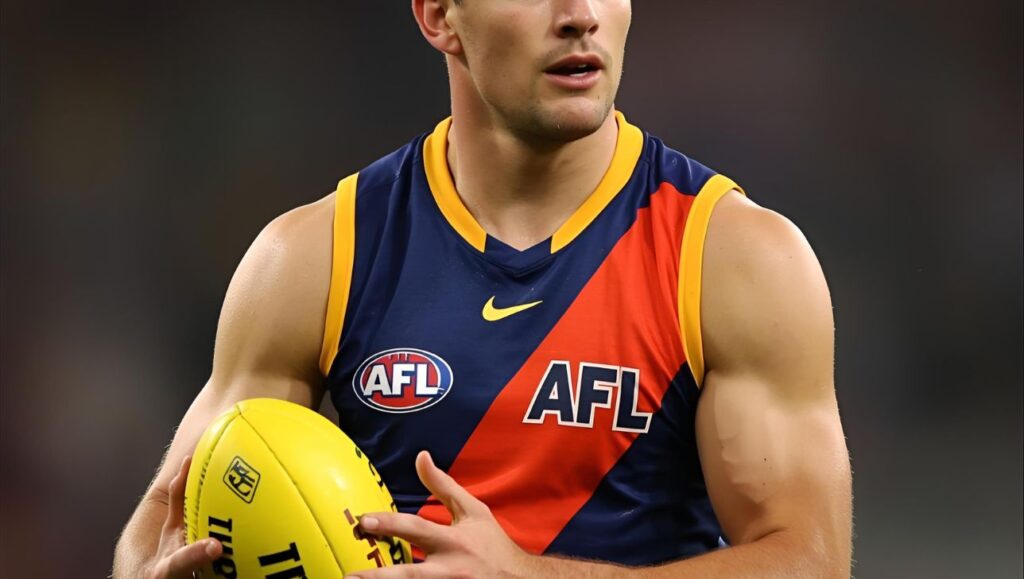
Mix of Youth and Experience: How List Management Will Shape AFL Teams in 2026
The 2025 trade period has spotlighted an intriguing interplay between youth development and the retention or acquisition of seasoned campaigners. Clubs like Fremantle made measured moves by bringing in Judd McVee, reinforcing their competitive edge without making drastic changes. In contrast, teams like Carlton opted for rejuvenation through recruiting young, promising talent such as Oliver Florent and Ben Ainsworth but at the cost of significant veteran departures including Charlie Curnow and Jack Silvagni.
Essendon’s firm front on Zach Merrett encapsulates modern AFL challenges where maintaining core leadership and culture clashes with player movement desires. Their addition of Brayden Fiorini, a player known for his explosive forward play, points to a focus on balancing firepower with midfield resilience. However, their intense focus on player retention sometimes meant fewer bold acquisitions, which analysts on ESPN and Fox Sports suggest could create a list imbalance in the seasons ahead.
North Melbourne’s trade approach raised eyebrows as they avoided aggressively pursuing defensive reinforcements despite glaring squad needs, choosing instead to bring in Charlie Spargo. This decision might backfire if early season defensive woes are not addressed during the rookie draft or future trade windows. Their seemingly conservative approach contrasts dramatically with St Kilda’s aggressive recruitment drive that seen them bring in talents like Liam Ryan and gain fresh energy in their ranks, signaling a team ready to challenge for finals appearances.
The clubs’ decisions showcase the complexity of list management — blending the polish and grit of veteran influence with the raw excitement and adaptability of younger players. Head coaches and recruiters are tasked with crafting teams that can compete physically and mentally over long grueling seasons, especially as the demands on player durability and versatility escalate. Footy brands like Nike, Adidas, and Under Armour are also deeply entrenched in this era, sponsoring clubs and players to provide cutting-edge training and recovery gear, which has become integral to player longevity.
- Youth investments: Extracting maximum potential from top draft picks and academy players.
- Veteran retirements and delistings: Managing the delicate transition phases responsibly.
- Balancing roles: Creating synergy between experienced key forwards and emerging midfielders.
- Trade-offs: Clubs choosing between immediate gains versus long-term list health.
- Sponsorship and equipment influences: How Nike, Adidas, and New Balance elevate training standards.
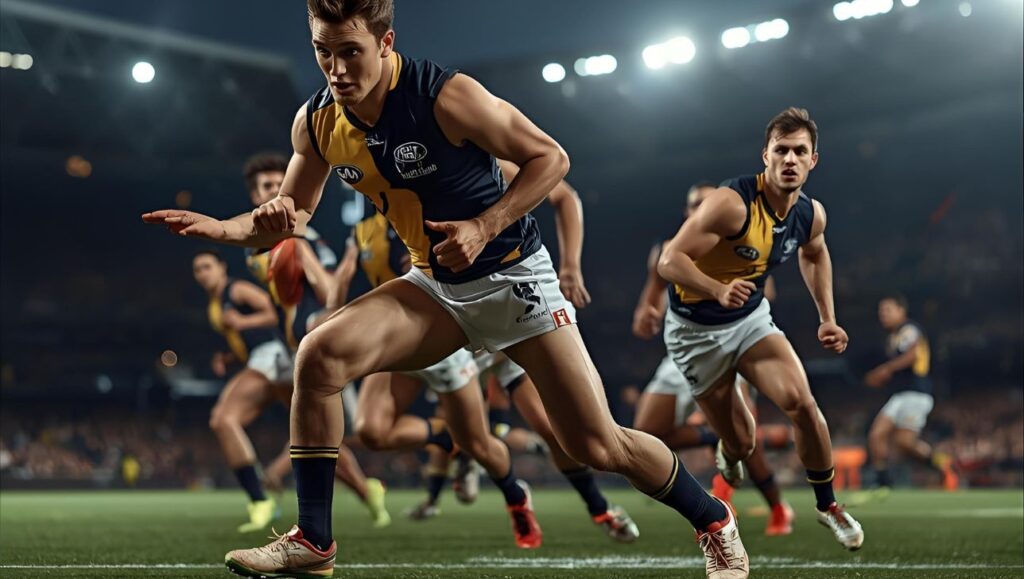
Unexpected Surprises and Missed Opportunities Impacting Club Fortunes
The trade season delivered its usual share of jaw-dropping twists and saga endings that left fans and pundits buzzing. Cases like Zach Merrett’s refused trade to Hawthorn created media firestorms on platforms like AFL.com.au and ESPN, blending player ambitions with club strategies and fan expectations. For the Hawks, this was a significant missed opportunity that leaves many wondering if the club will regret holding firm on their draft pick demands.
Carlton’s large exodus of stars including Charlie Curnow and Tom De Koning, despite gaining notable recruits, sparked intense debate about whether they overplayed their hand. The Blues’ decision to prioritize the Curnow trade at the cost of missing out on promising talents like Buku Khamis adds another layer to their rebuilding narrative. The elders’ exit paralleled others across the league with multiple clubs witnessing significant veteran retirements and delistings, a natural though painful cycle as outlined in the detailed review on AFL Football’s veteran departures guide.
Meanwhile, the free agency market proved decisive for clubs like Melbourne, who lost stalwarts Clayton Oliver and Christian Petracca but bolstered their squad depth with promising young players. The Demons’ maneuvering, including landing defenders like Brody Mihocek and Jack Steele, will be critical to whether they can sustain their finals streak beyond the upheaval.
- Trade collapses: Failed deals that could have altered club futures.
- Free agency utilization: How some clubs plugged key gaps without giving up assets.
- Unexpected retirements: Veteran players stepping away influencing team dynamics.
- Missed rookie opportunities: Loss of high-potential youth in favor of immediate fixes.
- Fan reactions: Emotional rollercoaster experienced by supporters and media alike.
Draft Picks and Future Prospects Following the 2025 Trade Excitement
Beyond the headline trades, the 2025 trade period was pivotal in setting the scene for upcoming talent influxes via the draft. Clubs sought to balance the immediate impact of seasoned recruits with long-term sustainability through potent draft picks. The Adelaide Crows, for instance, held onto multiple valuable draft selections (16, 48, 55, 64, 73, 75, 93, 111) and made a strategic, if cautious, acquisition in Finbar Maley. Although missing out on marquee targets like Ah Chee, the Crows’ focus remains firmly on a meticulous rebuild to complement their top-four finish in the previous season.
Similarly, clubs like Port Adelaide and Richmond targeted depth and youth development through particular picks in later rounds while enhancing their current strengths with selective trades. Port’s acquisitions, including Will Brodie and Corey Durdin, were aimed at shoring up depth without mortgaging future potential. The Tigers’ trade for future prospect Patrick Retschko—and the successful second-round pick return for Tylar Young—represent a patient but confident approach to sustained list revival.
Lists rich with draft picks provide clubs the flexibility to adapt rapidly during the rookie draft and enable savvy managers to maneuver through free agency and trade periods effectively. The integration of top draft talent, such as Dan Annable (heading to Brisbane), is highly anticipated and will be a key indicator of how successful clubs become in converting off-season moves into on-field excellence.
- Multi-round draft focus: Prioritizing a mixture of early and late picks for balanced development.
- Trade and draft synergy: Combining recruitment strategies for immediate and future gains.
- Rebuild versus ready-made strength: How clubs allocate assets based on premiership windows.
- Player development pathways: Importance of academy stars and rookie draft talent for clubs dreaming big.
- Front office acumen: Tactical planning to secure key draft picks amid complex trade period dynamics.


