

The AFL Trade Period from October 13 to 19 sparked a compelling blend of excitement and strategic maneuvering across all 18 clubs, signaling new directions and challenges heading into the 2025 season. Clubs juggled veteran departures, high-impact arrivals, and the delicate balance of future draft picks to redefine their squad dynamics. From powerhouse moves by Geelong and Fremantle to the calculated patience of Richmond Tigers and the Essendon Bombers’ quiet pivot, the trade window served as an intense theatre where risks were taken and opportunities seized. The palpable tension underscored how crucial this period is—not just for immediate season performance, but for long-term list building and premiership aspirations. With insights from AFL Trade Radio and expert analysts on Fox Footy, this trade period was a showcase of tactical foresight, emotional gambles, and fan reactions across the football landscape.
In this frenetic week, the shifting of stars like Elliot Himmelberg, Jack Macrae, and Bailey Smith illustrated the fluidity of the league, while clubs such as the Adelaide Crows and Brisbane Lions displayed varied approaches to fostering their future competitiveness. New signings have the potential to unlock established stars or fill critical gaps, while some teams chose to conserve draft capital, preparing for the 2025 AFL draft. The post-trade evaluation reveals winners who have strengthened their lists robustly, and others facing significant risks by either overpaying for talent or resting too heavily on youth development. The AFL trade period truly embodies the high stakes and strategic depth that fuel the passion of Australian football followers, with each club’s moves analyzed and graded to forecast the 2025 campaign’s unfolding drama.
In brief:
- Adelaide Crows’ strategic acquisitions aim to unleash Izak Rankine’s potential by mirroring the Melbourne midfield setup, earning them an “A-” grade.
- Brisbane Lions face a transitional path after key retirements, with a cautious optimism around new tactical deployments earning a “C” rating.
- Carlton leverages high draft picks focusing on youthful midfield talent while losing veterans, facing skepticism over value, graded “B”.
- Collingwood strengthens experience and versatility with key arrivals aiming at a quick premiership push, earning a top “A-” grade.
- Richmond Tigers consolidate through draft picks, trading off senior talent but keeping future options open, graded an “A-.”
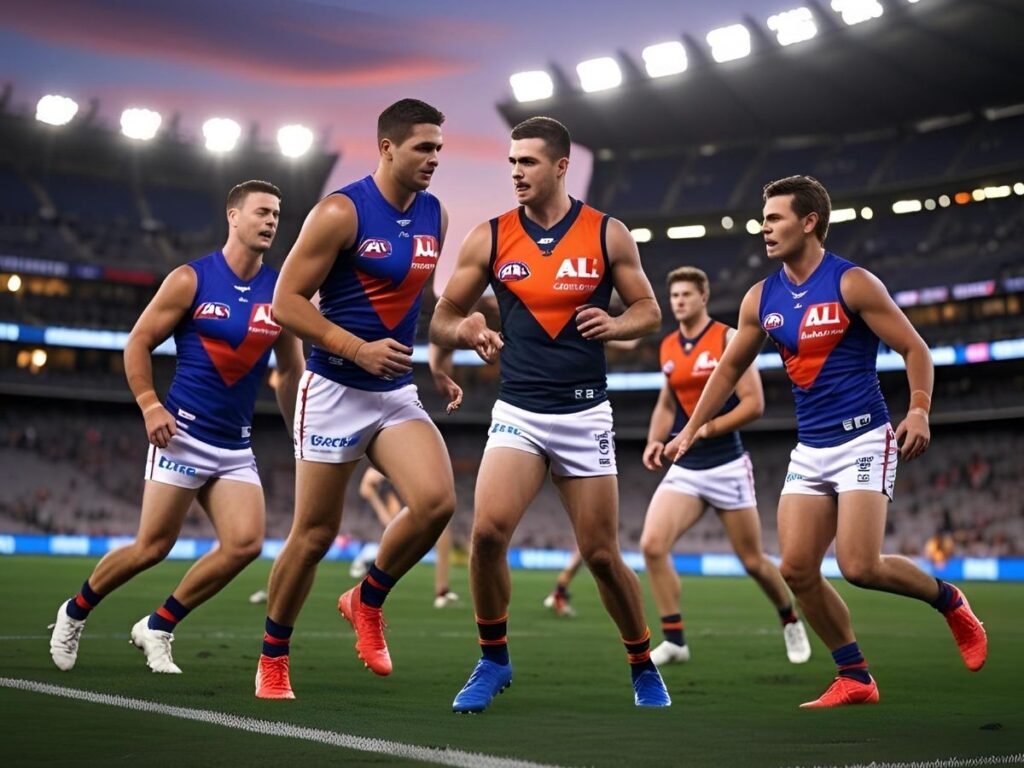
AFL Trade Period Impact on List Housekeeping and Club Strategies
The October trade period presented AFL clubs with crucial opportunities to reshape their futures through a delicate balancing act of releasing veterans, embracing experience, and stockpiling draft assets. This list management shuffle echoed loudly throughout the competition, with varying club philosophies and conditions driving distinct approaches. For some like the Richmond Tigers, hoarding draft picks reflects a long-term rebuilding style, while others such as Fremantle make bolder gambles on proven game-changers like Shai Bolton to expedite premiership dreams.
One spectacular example was the fluctuation of key personnel at the Adelaide Crows, who secured Alex Neal-Bullen and Isaac Cumming, aiming to invigorate Izak Rankine in a similar manner to the Melbourne Demons’ midfield synergy. This strategic recruitment reflects the depth of list-building knowledge shared widely on platforms like AFL.com.au and Fox Footy, emphasizing not just talent acquisition but tactical fit and role clarity.
The complexity extends beyond mere personnel swaps. Clubs had to juggle future draft picks prudently, often trading off selections for immediate impact players or holding firm to draft capital as an investment in youth. For instance, West Coast Eagles’ trade down involving Liam Baker showed a willingness to accumulate multiple picks, betting on volume and future potential over singular star signings. Similarly, clubs faced pressures from salary cap constraints and player demands, echoing themes discussed on the Herald Sun and Channel 7’s AFL coverage.
The trade period saw a mixture of bold ‘win-now’ moves combined with cautious patience, highlighting each club’s unique rebuilding stage. This diversity in approach underscores a critical AFL dynamic — the fight for sustained competitiveness against the unforgiving churn of the football landscape. These strategic decisions are intimately tied to coaching frameworks, with clubs like Hawthorn investing in precision acquisitions like Josh Battle and Tom Barrass, trusting coaches like Sam Mitchell to maximize the new resources.
- Trading veterans for youth or draft picks to balance list age and longevity.
- Acquiring utility players that provide flexibility in game plans.
- Targeting specialists like defensive interceptors or creative midfielders.
- Managing salary cap and contract lengths to secure future list stability.
- Utilizing draft picks strategically over multiple years for sustained list building.
| Club | Key Departures | Key Arrivals | Future Draft Picks Held | Trade Grade |
|---|---|---|---|---|
| Adelaide Crows | Elliott Himmelberg | Alex Neal-Bullen, Isaac Cumming, James Peatling | 4, 64 | A- |
| Brisbane Lions | Harry Sharp | None | 27, 34, 42, 43, 49, 60, 66 | C |
| Carlton | Matt Kennedy, Matthew Owies | Nick Haynes | 3, 38, 63, 68, 69, 72 | B |
| Collingwood | Joe Richards, John Noble | Harry Perryman, Dan Houston | 52, 55, 58 | A- |
| Richmond Tigers | Jack Graham, Shai Bolton, Daniel Rioli, Liam Baker | None | 1, 6, 10, 11, 18, 20, 23, 24 | A- |

Highlighting Key Club Moves: Winners, Risks, and Tactical Fits
Each club’s activity during the trade week reveals distinct narratives of hope, risk, and strategic recalibration. The Portland Power, for example, have chosen a slow burn by collecting high draft picks, betting on talent maturation, whereas Collingwood’s direct acquisition of Dan Houston and Harry Perryman arguably primes them as immediate premiership contenders. Such moves garnered significant attention on Fox Footy analysis and AFL Trade Radio discussions attempting to predict on-field impact.
Adelaide’s decision to bring on Neal-Bullen specifically to bolster Izak Rankine’s effectiveness mirrors a winning blueprint seen in Melbourne’s setup. With Neal-Bullen taking on lockdown defensive running duties, Rankine’s explosive offensive talents could thrive, aligning with Leigh Montagna’s tactical outlook. Conversely, Brisbane Lions took a more conservative route, opting not to recruit fresh faces but risking short-term performance dips, especially after losing their defensive power Harry Sharp.
In terms of risks, Melbourne’s loss of Alex Neal-Bullen may open vulnerabilities in their midfield defensive pressure—a point raised by Jon Ralph on AFL.com.au’s coverage. Meanwhile, Gold Coast Suns’ acquisition of Daniel Rioli spells a high-reward risk, aiming to leverage his game-changing flair to pivot their finals ambitions, supported by the tactical insights aired on Channel 7. The Suns’ focus on adding specific role players rather than youth speaks volumes about an evolutionary phase of their rebuild strategy.
- Clubs betting on immediate premiership success through targeted veteran recruitment.
- Teams pursuing sustainable success via accumulating high-value draft picks.
- Calculated gambles on player motivation and role fit to extract maximum value from arrives like Shai Bolton and Elliott Himmelberg.
- Risks linked to player departures that leave voids either on-field or in leadership.
- Balancing fan expectations and managing locker room dynamics amidst turnover.
| Club | Notable Trade Risks | Strategic Wins | Trade Grade |
|---|---|---|---|
| Melbourne | Loss of Neal-Bullen’s defensive running, locker room dynamics | Retaining core stars, re-signing Petracca and Oliver | C+ |
| Gold Coast Suns | Dependence on Rioli’s consistency | Acquisition of experienced role players to strengthen finals push | C+ |
| Collingwood | Ageing list concerns, limited young depth | Adding versatile, proven players like Dan Houston | A- |
| Brisbane Lions | Minimal recruitment impacting depth | Solid draft pick haul, hopeful development | C |
| Richmond Tigers | Losing core experienced players could lower immediate competitiveness | Strong draft capital accumulation for future | A- |
The evolving club game plans discussed on AFL.com.au and channelled through AFL Trade Radio and Fox Footy reflect that these trade decisions centralize not only on player skillsets but also off-field elements such as culture, leadership, and professional standards. The Essendon Bombers’ strict stance on professionalism leading to Jake Stringer’s exit epitomizes this philosophical shift toward discipline as revealed in Herald Sun reports.
Draft Picks and Future Lists: Strategic Investment or Costly Gamble?
Draft picks often set the compass for the league’s future, and the 2025 AFL trade period highlighted the intense value clubs place on these assets. Whether clubs choose to protect early-round picks, trade future selections, or accumulate mid-range selections, the draft pick strategies shape long-term competitiveness. The Richmond Tigers, for instance, have accumulated a substantial collection of early picks, placing them in a strong position to draft elite young talent, a move praised in AFL rising star analyses.
However, this approach carries inherent uncertainty, as development of draftees can be unpredictable. Some clubs, like West Coast Eagles, balanced draft capital with acquiring reliable senior players, attempting to maintain present competitiveness while rebuilding. Their trade down involving Liam Baker signifies a willingness to spread their resources, awaiting the right opportunity to convert picks into performance impact.
The management of draft picks is a blend of art and science. According to analyses published on AFL.com.au concerning draft challenges, clubs must forecast player development, injury risks, and alignment with coaching systems years in advance. This complexity elevates the role of trade period negotiations as more than player swaps—they represent calculated gambles that can define a club’s decade.
- Trading high-value picks for established players to shore up immediate team needs.
- Protecting early picks to secure top-tier emerging talent.
- Strategic use of late picks to add depth and potential hidden gems.
- Balancing present versus future success through draft and trade decisions.
- Navigating new AFL draft rules to maximize list-building creativity.
| Pick Range | Typical Use | Impact Example |
|---|---|---|
| Top 5 Picks | Target game-changing midfielders or key position players | Jack Macrae (St Kilda acquisition) |
| Picks 6-20 | Develop core contributors and complementary stars | Bailey Smith (Geelong Cats acquisition) |
| Picks 21-50 | Depth players and developmental prospects | Isaac Cumming (Adelaide Crows) |
| Late Picks 51+ | Speculative value and role players | James Peatling (Adelaide Crows) |
Assessing Club Grades: Who Exceeded Expectations and Who Has Questions to Answer?
Post-trade analysis of club performances in the trade period reveals a broad spectrum of outcomes with grades reflecting both tangible gains and risks. The Adelaide Crows earned an A- for a savvy set of pickups that could catalyse a breakout season for Izak Rankine. Similarly, Collingwood earned high marks given their ability to plug experienced holes and maintain a premiership window, balancing youth with tested talent.
In contrast, clubs like Sydney Swans and Brisbane Lions received lower grades as their limited or conservative moves may not sufficiently address evident list shortcomings. Sydney’s largely inactive stance invites questions about tactical ambition, despite a talented core centered on Isaac Heeney and Chad Warner. The Essendon Bombers’ trade period also invites debate, having parted ways with Jake Stringer over culture concerns but made no significant incoming moves—a high-risk approach that underscores a longer-term retooling effort.
Richmond Tigers’ high draft capital accrual has been lauded for future proofing the club, although the loss of multiple senior veterans presents short-term challenges. This reflects widely shared sentiments among AFL experts on Fox Footy and the Herald Sun, emphasizing the fine line clubs walk between rebuilding and remaining competitive.
- High grades reward strategic acquisitions and list-balancing that align with premiership ambitions.
- Mixed grades reflect challenges balancing youth development with immediate needs.
- Lower grades highlight inaction or risky departures that may leave a club vulnerable.
- Expert opinions from Jon Ralph and David King heavily influence public sentiment and expectations.
- Fan reactions vary from excitement to frustration, framing club narratives ahead of the season.
| Club | Trade Grade | Key Strengths Noted | Areas of Concern |
|---|---|---|---|
| Adelaide Crows | A- | Tactical fit acquisitions, rejuvenation of key player roles | Depth behind star players |
| Collingwood | A- | Experience balance, premiership window retention | Aging players and under-24 depth |
| Richmond Tigers | A- | Draft capital amassed, long term rebuilding | Loss of senior talent, immediate competitiveness |
| Brisbane Lions | C | Strong draft pool, stable core | Minimal new talent acquisition |
| Sydney Swans | D+ | Retaining core stars | Lack of trade movement, midfield burden |
Trade Period Reflections: The Emotional and Tactical Pulse of AFL
The AFL trade period is more than a transactional phase; it is an emotional rollercoaster that impacts clubs, players, and passionate fans alike. The emotional weight of players leaving lifelong clubs, the turbulent energy of newcomers trying to fit in, and the hope that these moves will bring success reflect the human heart of football. Collective discussions on AFL Trade Radio and deep dives on Fox Footy highlight how the league’s ecosystem thrives on these pivotal weeks.
Beyond strategy, the trade period offers a window into club culture, leadership styles, and future outlooks. Essendon’s firm stance on professionalism, leading to Jake Stringer’s departure, spotlights the cultural reset some clubs demand before extended success is possible. Meanwhile, teams like Hawthorn invest in proven role players under astute coaching leadership to maximize list utility and on-field connection.
Fans rally around new talents and mourn the exit of club legends, with discussions spilling over on platforms like AFL.com.au where trade rumors buzz and lists are dissected. The ultimate test of these moves will unfold in the 2025 AFL season, but the trade period remains a thrilling spectacle that intertwines raw passion, bold gambits, and the relentless pursuit of football glory.
- Trade periods reflect the emotional fabric of footy, connecting fans and communities.
- Culture and leadership play essential roles in how trades impact long-term success.
- Media coverage like Fox Footy and Channel 7 amplify fan engagement and provide expert insight.
- Player motivation and adaptation to new clubs remains a critical but unpredictable factor.
- Every trade influences the league narrative and fuels rivalries for the next season.