
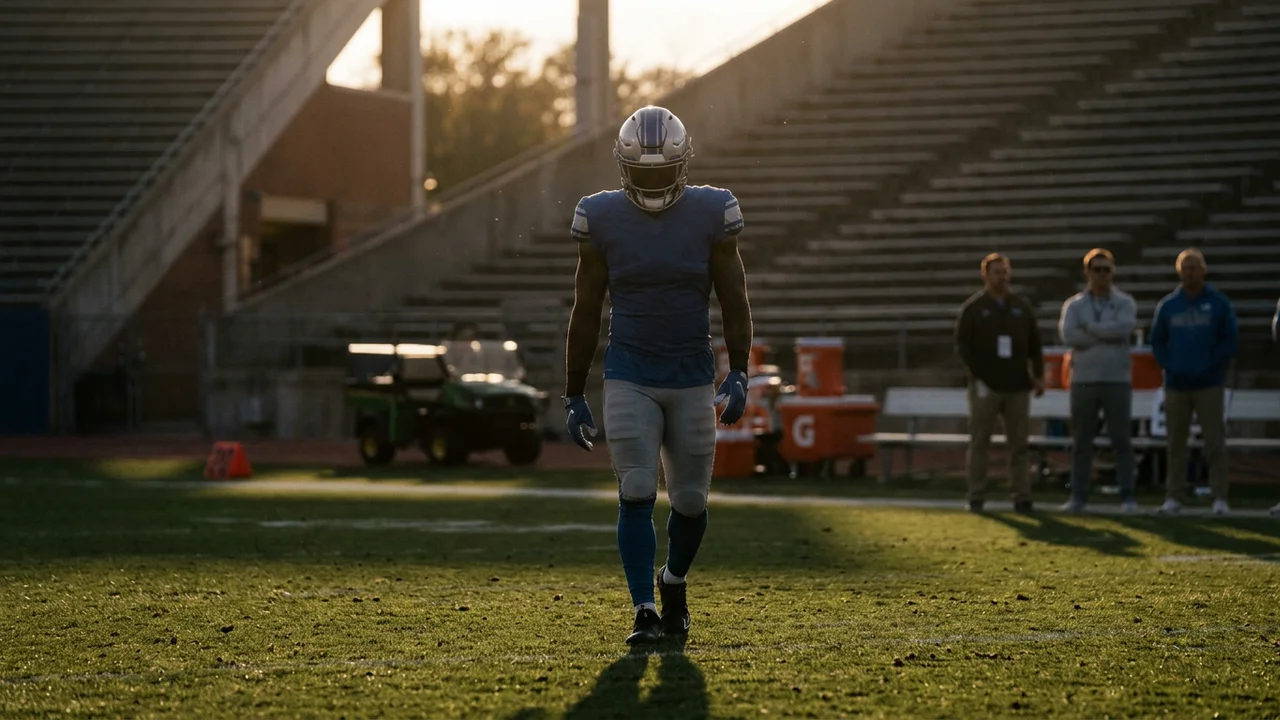
The Detroit Lions have cut ties with cornerback Terrion Arnold, a move that carries sweeping financial repercussions for the franchise.
Arnold. Detroit’s first-round pick in the 2024 draft, was released just hours after posting a $1 million bond on multiple felony charges, including armed robbery and kidnapping. Although a judge granted him permission to practice and play, the Lions wasted no time in terminating his contract. Their decision reflects not just a response to the legal situation but also a calculated move to address looming contract liabilities.
Contract Guarantees and Financial Exposure
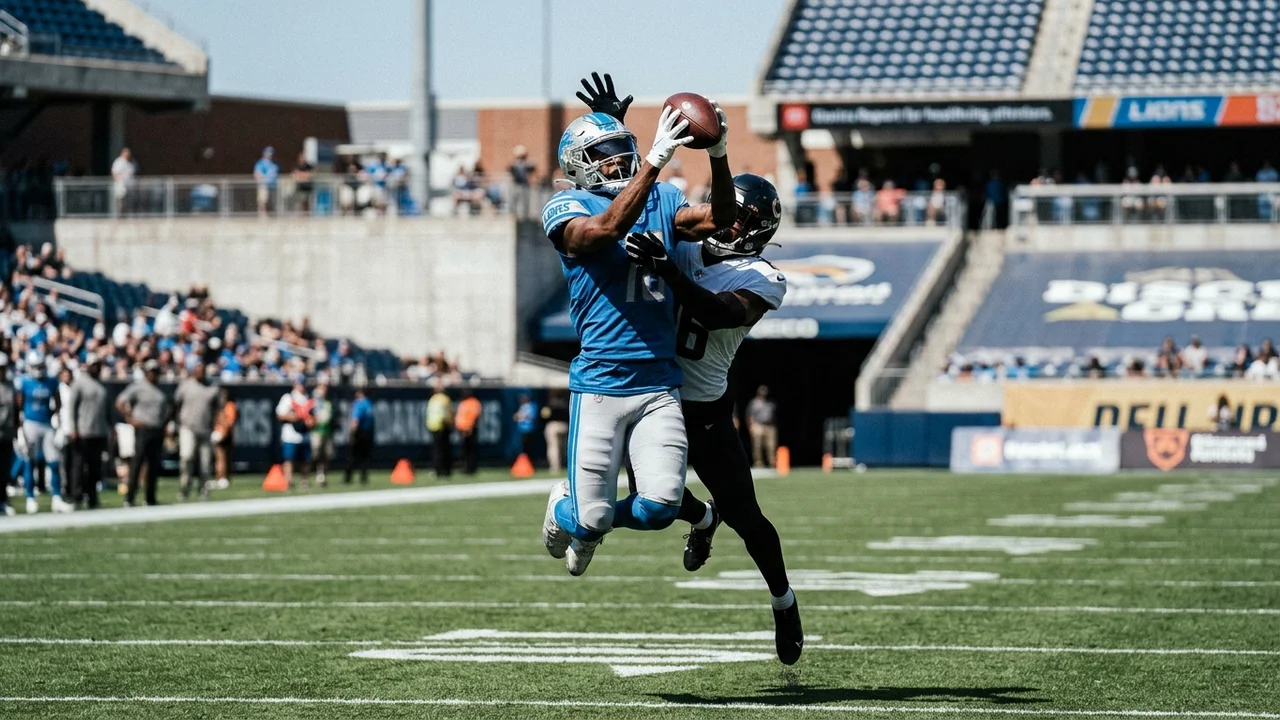
Detroit is now staring down the barrel of Arnold’s fully guaranteed rookie deal, standard for first-rounders. He already pocketed a $7.251 million signing bonus, which, under typical NFL contract rules, he keeps regardless of release.
The Lions also remain on the hook for Arnold’s base salaries in 2026 and 2027: $2.098 million and $2.75 million, respectively. These guarantees usually survive termination for reasons related to skill, injury, or salary cap, but there’s a potential out. If Detroit can prove Arnold’s conduct “adversely affected” the team, they could attempt to void the remaining guarantees, as the Ravens did with Earl Thomas in 2020.
That path is anything but straightforward. Arnold could challenge any forfeiture of guaranteed pay, dragging the team into a protracted arbitration battle. He’d have to testify, which could put him in a precarious position given his ongoing criminal case. The legal and contractual stakes for both sides are enormous.
Here’s a breakdown of Arnold’s rookie contract and its current status:
| Component | Value (USD) | Status Post-Release |
|---|---|---|
| Signing Bonus | $7,251,000 | Likely retained |
| 2026 Base Salary | $2,098,000 | At risk (guaranteed) |
| 2027 Base Salary | $2,750,000 | At risk (guaranteed) |
If Detroit can’t void the guarantees, the franchise could end up paying more than $12 million for a player who never sees the field again in Honolulu blue.
Strategic Cap Management and Waiver Process
Detroit’s move was shaped by the NFL’s approach to personal conduct cases. Sources indicate the team expected Arnold to land on paid leave via the Commissioner’s Exempt List, which would have forced them to pay his salary while he sat out. By cutting him now, the Lions aim to stem further financial losses and clarify their cap picture before training camp.
Players with fewer than four years of service, like Arnold, must pass through waivers. Given his legal troubles and the hefty contract guarantees, league insiders see little chance another team will claim him. That leaves Detroit holding the bag, unless they can successfully challenge the guarantees under the personal conduct clause.
The NFL hasn’t ruled on Arnold’s eligibility. A league spokesperson said the “matter remains under review.” That uncertainty clouds Detroit’s financial planning, as any retroactive discipline could change both cap treatment and payout obligations.
For the Lions, this is a high-stakes exercise in risk management. The front office must now juggle the prospect of a multimillion-dollar payout with the need to preserve salary cap flexibility for future seasons. The timing of Arnold’s release, immediately after his bond hearing and before possible league action, signals a coordinated effort to avoid paying a player on paid leave.
Detroit’s executives, already under the microscope for their cap strategy, now face a financial battle that could have as much impact as any on-field decision. The outcome of a potential grievance from Arnold, or a ruling from the league office, will directly shape the team’s bottom line and its ability to build a competitive roster.


