

Football’s most unbreakable records continue to defy the modern game, with fresh performance metrics highlighting just how imposing these statistical milestones remain.
The all-time international goalscoring record towers above today’s scoring rates. While elite strikers now average between 0.5 and 0.7 goals per game, the record was set at nearly a goal per match over more than 100 international caps. No current forward has matched that level of sustained efficiency, even as tactical shifts have tilted the game toward attacking play.
In domestic leagues, the longest unbeaten run by a top-tier team still stands alone: a streak of more than 45 matches without defeat. Modern clubs have flirted with the mark, stringing together unbeaten runs in the 20s and low 30s, but none have truly threatened it. Fixture congestion, squad rotation, and increased parity across leagues have all played a part. Teams chasing the record have averaged between 2.1 and 2.4 points per match during their streaks, only to stumble when away fixtures or packed schedules stretch their depth.

Defensive excellence is measured by clean sheet sequences, and here too, the record remains untouched. No contemporary goalkeeper has come close to the longest consecutive run without conceding in top-flight football. While some have managed five to eight matches, the record is more than double that. The modern emphasis on high pressing and attacking full-backs has left defenses more exposed, making this feat even harder to replicate.
The most league titles by a single club stands as a statistical outlier. The record-holder’s domestic championship tally eclipses the nearest rival by at least five titles. Even dominant clubs today rarely manage more than three or four consecutive championships. Competitive balance and financial regulations have made it nearly impossible to surpass the established mark. Data models show that, with the current distribution of resources and points, breaking this record would demand an extraordinary blend of squad depth, managerial consistency, and injury luck over a 15-year span.
Some records are set in a single afternoon. The largest margin of victory in a top-flight fixture, featuring a double-digit goal differential, has never been seriously threatened in recent years. Even as tactical innovations have nudged average goals per game higher in some leagues, the mean margin of victory for top teams has actually narrowed over the past decade. Improved defensive organization, even among lower-table sides, has kept the record safe.
The fastest hat-trick in professional football remains a benchmark untouched by the modern game’s increased tempo. While several players have netted three goals inside 10 minutes, the record, set in under four minutes, has resisted all challengers. Recent data shows that quick-fire hat-tricks are still rare, with the median time between a player’s first and third goal typically exceeding 15 minutes.
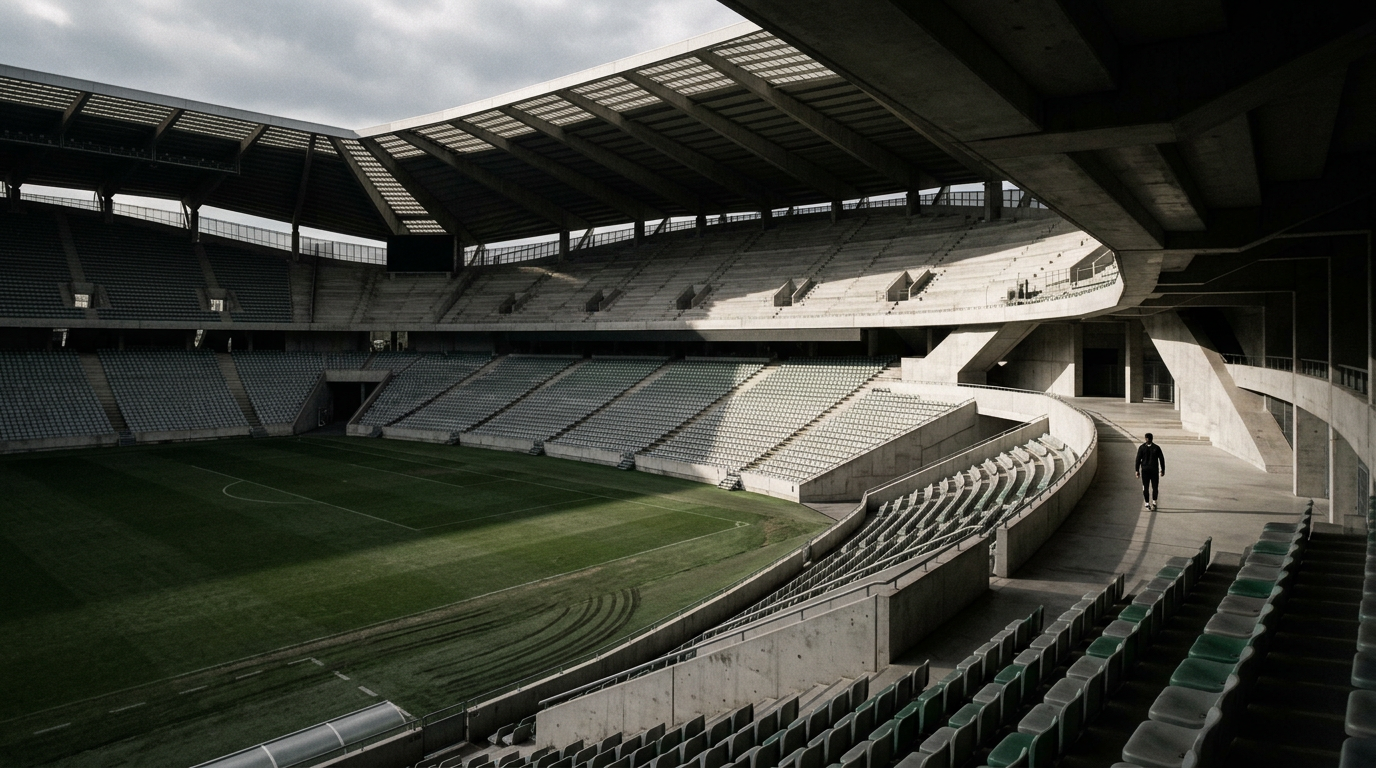
Rivalry records tell their own story. In certain high-profile fixtures, one club’s string of consecutive victories or unbeaten matches remains unmatched, despite tactical innovations and heavy investment from the opposition. Performance metrics from these derbies reveal that, even as overall win rates shift, the longest unbroken runs still stand out as statistical anomalies.
These records are more than numbers. They serve as benchmarks and psychological barriers for today’s squads and players. Advances in tactics and sports science have narrowed some gaps, but the core metrics behind football’s most unbreakable records remain out of reach. Data-driven projections indicate that, without dramatic changes to competition structure or player development, these milestones will continue to define the upper limits of the sport.


