
The 2026 AFL season is already stirring excitement among fans and pundits alike, with the spotlight turning towards the Brownlow Medal contenders who are gearing up to etch their names into football folklore. The Brownlow, often hailed as the pinnacle of individual achievement in Australian Rules Football, captures the imagination of supporters, showcasing not just skill but the spirit, fairness, and formidable endurance that the game demands. This early December 27, 2025, analysis unwraps the tapestry woven by rising stars and seasoned campaigners poised to light up stadiums in 2026.
Among the myriad of players vying for the prestigious accolade, several names have crystallized as front-runners and intriguing sleepers. Vivid performances from the previous seasons have laid fertile ground for a thrilling contest, where raw talent and tactical prowess collide. The path to Brownlow glory is rigorous; with umpires casting votes based on match influence, overcoming inconsistency, team form, and media scrutiny form an integral challenge. The dynamic AFL landscape means predicting Brownlow contenders involves dissecting complex stats, assessing team changes over the off-season, and understanding subtle game evolutions that elevate candidates from good to legendary.
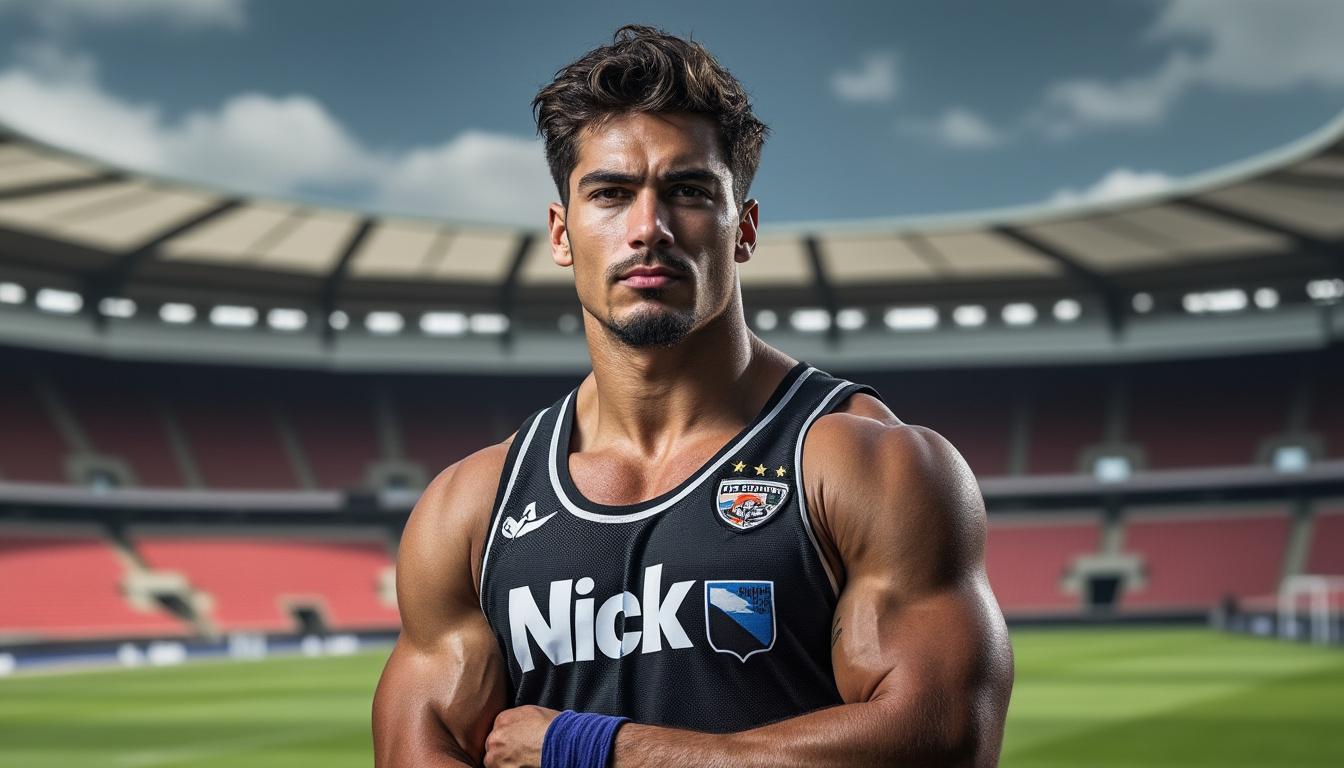
- Nick Daicos stands tall as an obvious favorite, merging creativity with contested ball work that has matured impressively.
- Noah Anderson and Bailey Smith remain key MVP candidates, blending midfield dominance with game-defining moments.
- Jordan Dawson showcases the flair and defensive craftsmanship that selectors admire.
- Tom Green emerges as a wild card with volatile but potentially game-changing performances.
- Dark horses such as Matt Rowell and Caleb Serong continue to display breakout quality, promising an exciting race.
Early Brownlow Medal Predictions: Top Contenders to Watch in 2026 AFL Season
The Brownlow Medal remains the gold standard when it comes to individual excellence in Australian football. An early look at 2026 Brownlow contenders reveals a fascinating blend of established stars and emerging talents, each navigating the evolving demands of the AFL. Contenders for the Brownlow Medal have been put under the microscope using multiple prediction models, including the official AFL predictor, Wheelo Ratings, ESPN’s weekly tallies, Betfair’s unique format, and the innovative FAWR simulations crafted to blend statistics with the unpredictable dynamics of umpire judgments.
Jordan Dawson, tipped by many as a 32-vote winner, remains a formidable candidate thanks to his blend of defensive tenacity and attacking drive. Meanwhile, Nick Daicos, a rising star whose offseason blueprint has been meticulously crafted to maximize his Brownlow chances, integrates more contested ball efforts into his gameplay — a move expected to elevate his polling to medal-winning heights (Daicos offseason strategy).
The unpredictable nature of the award is illuminated by events like QCLASH 29, where vote distributions differed wildly among the predictors. This highlights the factor that no single model can fully grasp the nuances umpires observe. Hence, combining all sources paints a more complete but still exhilaratingly uncertain picture.
Table 1 below summarizes key players’ projected votes based on the leading predictors and weighted simulations.
| Player | AFL Predictor (Votes) | Wheelo Ratings (Votes) | Betfair Predictor (Votes) | FAWR Model (Votes) | Simulated Average Votes |
|---|---|---|---|---|---|
| Nick Daicos | 31 | 30 | 32 | 33 | 31.5 |
| Noah Anderson | 28 | 29 | 27 | 26 | 27.5 |
| Bailey Smith | 29 | 28 | 30 | 27 | 28.5 |
| Jordan Dawson | 32 | 31 | 31 | 23 | 29.25 |
| Tom Green | 17 | 25 | 18 | 30 | 22.5 |

Statistical Analysis and Simulation Insights: Understanding the 2026 Brownlow Race Dynamics
Behind the scenes, award predictions increasingly rely on sophisticated simulations. The 2025 season saw over 20,000 simulations performed to predict Brownlow outcomes by randomly selecting votes from multiple predictors per game and tallying season-long totals. Applying this method for 2026 highlights a significant favorite in Nick Daicos, appearing as the likely winner in more than 70% of simulations, with Anderson and Smith neck and neck for runner-up honors. However, players like Tom Green showcase the volatility with a wide spectrum of outcomes, making them exciting players to watch.
This variability arises from the differing perceptions of each match by predictors and umpires alike. The sporadic brilliance of emerging players can sneak into the count, much like how Joel Jeffrey unexpectedly earned top votes in some simulations despite lesser public recognition during one match. This illustrates the complex narrative behind each vote — is it consistency or the occasional explosive performance that counts more?
Looking closely at head-to-head statistical probabilities, players such as Jordan Dawson frequently outrank Matt Rowell but trail behind Anderson or Smith in most cases. Statistical tools help fans and analysts alike interpret the Brownlow race beyond mere hype by painting probabilistic portraits of performance, ensuring every vote path is scrutinized through multiple lenses. Tools like player performance trackers have become invaluable in this process.
Furthermore, the blend of traditional AFL media coverage, in-depth metrics, and analytical models forge deeper understanding and advance healthy debates around MVP candidates, highlighting the complexity that makes the Brownlow Medal count a sport within the sport.
List of Factors Influencing Brownlow Predictions
- Player consistency over the season
- Ability to dominate contested possessions
- Involvement in game-turning moments
- Team performance and visibility
- Injuries and player availability
- Umpire perception and subjective judgment
The Role of Team Dynamics and Club Form in Shaping Brownlow Prospects
A player’s chances in the Brownlow Medal race are inextricably linked to their club’s overall form. Brisbane Lions have cemented themselves as the team to beat, making three consecutive Grand Finals appearances and clinching back-to-back premierships that have set a new benchmark. Their midfield depth feeds the Brownlow prospects, with several players regularly polluting votes due to the team’s dominating style of play. Such dominance elevates players like Noah Anderson in the eyes of umpires and fans alike, boosting his MVP contender status.
Conversely, clubs experiencing uncertain transitions or injury troubles often witness their marquee players faltering in vote tallies, as spotlight moments diminish. For instance, the contrasting fortunes between teams like St Kilda, who are aggressively rebuilding and shopping for talent, and Collingwood, old guard-focused but facing challenges with depth and aging squad dynamics, play directly into how their players accumulate Brownlow votes.
The context of club strategies also cannot be ignored. Hawks, touted as a rising power due to aggressive recruitment and tactical advancements, present a fascinating development in the Brownlow narrative, with players such as Jordan Dawson and others gaining media attention and growing expectations. Their success or failure will directly ripple through the Brownlow leaderboard in unpredictable ways covered in team previews and expert analysis.
Ultimately, the form charts of contenders are as fluid as the season itself, with injury comebacks, changes in midfield roles, and coaching evolutions strongly influencing who will shine brightest under the umpires’ lenses.
Rising Stars Poised to Make a Brownlow Impact in 2026
The AFL continually breathes new life into the Brownlow Medal race through fresh talent accessing elite performance stages. Players like Matt Rowell and Caleb Serong have already demonstrated glimpses of brilliance that signal their capacity to rival established stars. Rowell’s significant statistical contributions in clearances, tackles, and disposals reveal a player capable of accumulating influential moments that captivate umpires’ attention, making breakout stars an essential part of the Brownlow conversation.
At the same time, younger players often face the challenge of consistency and team positioning, factors critical for gathering top-tier Brownlow votes. The delicate balance between explosive breakout games and sustained season-long excellence is what separates a one-off contender from a medalist.
Some young athletes have innovated their training and tactical awareness, blending a new style of mid-to-forward dynamics that catch umpires’ eyes through audacious plays and resilience. This evolution in playing style, combined with fresh narratives each season, keeps the Brownlow race captivating fans and analysts eager to spot future legends emerging.
Exploring the Emotional and Cultural Significance of the Brownlow Medal for AFL Fans
The Brownlow Medal transcends being a mere accolade; it embodies the AFL’s heartbeat — the raw emotion, sportsmanship, and community passion that illuminate football culture. For fans, the medal night is more than just an awards ceremony; it’s a moment of collective reflection, celebration, and anticipation. Stories of past champions who never clinched the medal, like Scott Pendlebury and Joel Selwood, fuel discussions about the nuances of greatness beyond awards, enriching the lore around contenders.
Furthermore, the Brownlow count engages diverse AFL followers — from die-hard club loyalists to new enthusiasts discovering the sport. It invites discussions about the fairness of umpire votes, the significance of individual brilliance versus team success, and the unforgettable moments that define seasons. The ever-present tension leading up to the count on December 27, 2025, sets the stage for 2026’s electrifying campaign, where every kick and mark can carry Brownlow implications.
Australian football’s unique blend of physicality and finesse, combined with its community grounding in stadium atmospheres and suburban passion, culminate in the Brownlow Medal’s prestige. Fans see this contest not merely as a tally of votes but as recognition of the spirit, resilience, and artistry that AFL embodies. Previous Brownlow winners inspire aspiring players, forging the link between history and future as the league evolves.
Whether supporting marquee stars like Nick Daicos or rallying behind rising talents, the Brownlow Medal continues to captivate hearts, underscoring why it remains one of the most treasured football awards in Australia.
What makes a player a strong Brownlow contender?
Consistent performance, significant impact in matches, team success, and the ability to attract umpire attention through standout gameplay all contribute to a Brownlow contender’s strength.
How do umpire votes work in the Brownlow Medal count?
After each game, the field umpires confer and award 3, 2, and 1 votes to the players they believe were best, second-best, and third-best on ground, respectively, focusing on fairness and impact.
Can rising stars realistically win the Brownlow Medal?
While challenging, rising stars often poll votes through breakout performances and can build momentum over the season to secure a top Brownlow finish.
Why isn’t winning the Brownlow Medal the only measure of greatness?
Many legendary AFL players have never won the Brownlow, showing that contribution to the game transcends individual awards and includes leadership, consistency, and influence.
Which teams typically foster the most Brownlow contenders?
Teams with dominant midfield structures and consistent success, like the Brisbane Lions, tend to have multiple players garnering Brownlow votes due to high visibility and impact.