
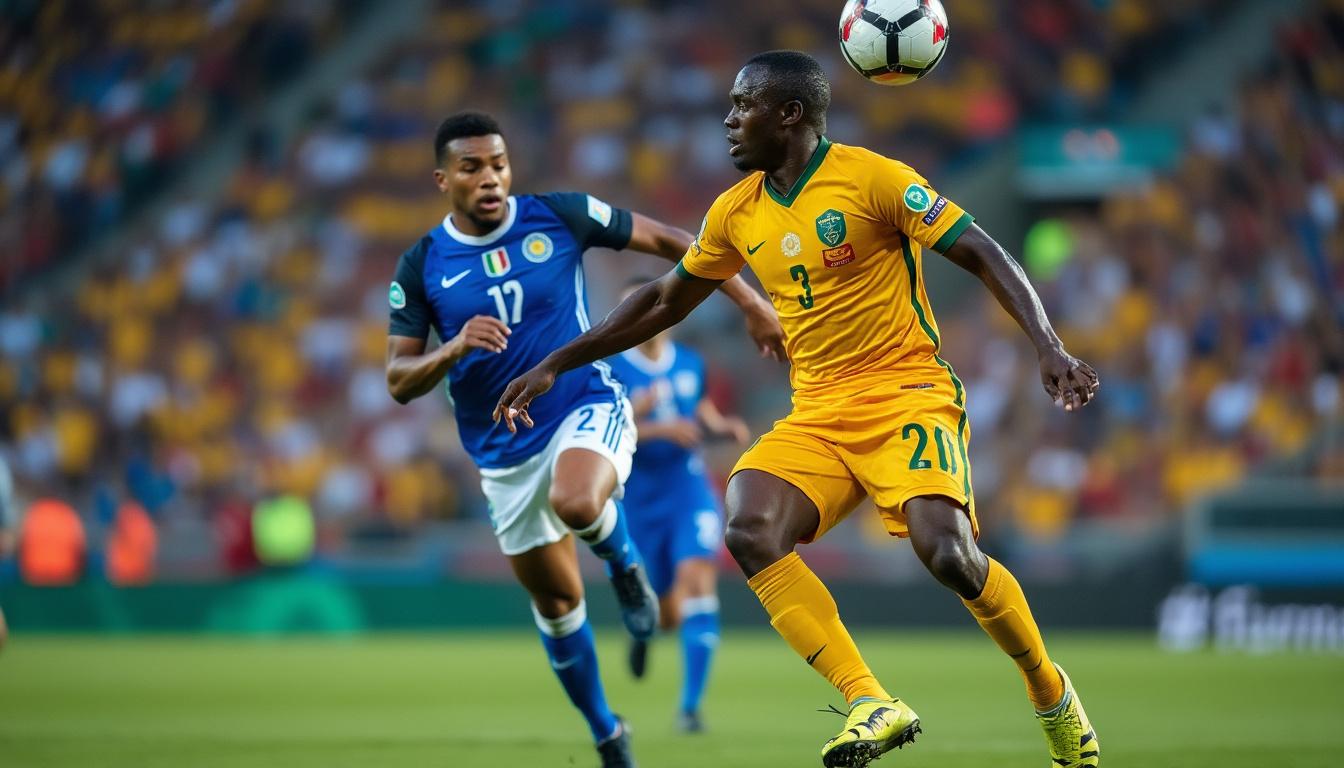
The 2025 Africa Cup of Nations (AFCON 2025) is rapidly emerging as one of the most electrifying football tournaments on the global stage, captivating fans and critics alike with its unprecedented scale and intensity. Hosted by Morocco, a nation with a rich footballing heritage and vibrant sporting culture, this edition is not just a tournament—it’s a spectacle setting new standards for African football and reaffirming the continent’s position at the heart of international soccer. The tournament’s scheduling, unique positioning within the football calendar, and the fervor of participating teams have contributed immensely to its growing global attention.
From December 21, 2025, through January 18, 2026, fans from all corners of the world will witness 24 top-tier national teams battle across nine stadiums in six Moroccan cities, promising a full month of raw energy, high stakes, and drama. This shift to a December-January slot is historic—marking the first AFCON staged over the festive holiday season—providing a prime viewing window for football enthusiasts globally, who are increasingly tuning in. With team preparation at a fever pitch, tournaments of this magnitude serve as a litmus test for emerging strategies, player stamina, and national pride, amplifying the warm up intensity in the run-up to kickoff.
As the world benchmarks AFCON 2025’s impact beyond African borders, the tournament embodies more than just sport; it represents a unifying force for the continent and a beacon of competitive spirit that resonates worldwide. The forthcoming sections explore the multifaceted aspects that feed into this crescendo, detailing the tournament’s framework, the host’s readiness, key contenders, and the atmospherics that make AFCON a global spectacle.
In brief:
- Morocco’s strategic hosting of AFCON 2025 marks the country’s return to the spotlight with advanced venues and infrastructure.
- 24 qualified teams from across Africa have been preparing fiercely, setting the stage for a tournament of elite team preparation and tactical battles.
- The December-January schedule positions AFCON 2025 uniquely, boosting global attention and viewer engagement during the holiday season.
- African football’s evolving tactical patterns and standout candidates are anticipated to define the tournament’s competitive edge.
- Despite societal challenges in the host nation, Morocco is confirmed to stage the event, reflecting the sport’s resilient and unifying power.
Morocco’s Return as a Premier Host Amplifies AFCON 2025 Global Spotlight
Morocco’s appointment as the host of the 35th Africa Cup of Nations heralds a dynamic chapter in African football history. The nation, previously hosting in 1988, brings unparalleled experience and upgraded facilities across six cities poised to deliver a seamless tournament experience. The nine stadiums, including iconic venues like the Prince Moulay Abdellah Stadium in Rabat with a capacity close to 69,000, are fitted with modern amenities to accommodate the surge of football fans expected to flock from all over the world.
This hosting role was not merely ceremonial. It was awarded following Guinea’s withdrawal due to inadequate infrastructure readiness, a scenario emblematic of the volatile yet determined spirit of African football governance. CAF’s decision to transition the event to Morocco reinforced the continent’s commitment to quality and operational excellence. In terms of city selection, besides Rabat, Casablanca, Marrakech, Fez, Agadir, and Tangier are set to host matches, creating multiple hubs buzzing with cultural flair and football fever. This geographical spread is designed to maximize audience engagement and leverage local ambiance along with global broadcasting reach.
Moreover, the logistic preparations include state-of-the-art training facilities and transport connectivity, alleviating traditional concerns about accessibility and fan experience. The Moroccan Football Federation, in collaboration with CAF, has been deeply involved in orchestrating the finer details—from security measures to fan zones—aiming to combine convenience with the electrifying atmosphere expected at such a high-profile sports event.
Morocco’s hosting is more than just about infrastructure; it’s about showcasing Africa’s best footballing culture on a world stage. This is reinforced by the cultural programs and fan engagement initiatives planned around the tournament. With the comprehensive broadcast rights confirmed, including free-to-air and digital platforms, AFCON 2025 will reach unprecedented global audiences, advancing the narrative of African football’s rising influence.

Intense Qualification Battles and Standout Teams Fuel AFCON 2025’s Competitive Edge
The journey to AFCON 2025 was nothing short of a high-stakes drama, with team preparation revealing a blend of tradition and emerging football philosophies. The qualification rounds, stretching from March to November 2024, saw 48 national teams fiercely contesting their place in what is Africa’s premier football tournament. Notably, heavyweights like Ghana missed qualification for the first time since 2004, highlighting shifts in power balances within the continent.
Meanwhile, perennial contenders such as Morocco (hosts), Senegal, Cameroon, Egypt, and Nigeria secured their spots with strong performances, underlining their ongoing influence. Teams like Tunisia participated for a record 17th consecutive time, showing remarkable consistency. The qualifiers also reintroduced promising squads like Comoros and Botswana, who are eager to make their mark after extended absences.
These qualification narratives add layers of intrigue and anticipation to AFCON 2025, setting up a tournament where established giants face off against hungry challengers employing innovative tactical patterns. According to expert analysis on AFCON 2025 tactical patterns, teams have evolved from traditional playstyles to embrace dynamic formations and pressing strategies, signaling a rise in tactical sophistication among African nations.
The tournament’s structure—group stages followed by knockout rounds—ensures every match teems with tactical and physical intensity. The provision for the best four third-placed teams to advance creates additional layers of strategic gameplay, incentivizing teams to perform consistently, no matter their group position. This meticulous design elevates the warm-up intensity, as teams finalize their lineups and refine strategies in training camps and friendly matches leading up to the event.
Furthermore, AFCON 2025 will spotlight several standout candidates projected to perform pivotal roles. Insightful profiles on AFCON 2025 standout candidates reveal emerging talent alongside seasoned veterans, underscoring the blend of experience and youth shaping the tournament’s storyline.
Scheduling AFCON 2025 Over Christmas and New Year: Impact and Opportunities
One of the most groundbreaking aspects of AFCON 2025 is its historic timing: for the first time, the tournament unfolds across the Christmas and New Year period. This strategic scheduling, from December 21 to January 18, exploits a window traditionally packed with sporting events but now opening a broader stage for global viewing and fan engagement.
This schedule adjustment was necessitated partly by FIFA’s expansion of the Club World Cup and the tight European club calendars, ensuring African players face minimal club-country conflict, thus maintaining peak physical condition and focus. The tournament’s placement within this festive season promises unique emotional resonance. Football fans can celebrate holidays intertwined with thrilling matches, strengthening AFCON’s emotional impact on its audience worldwide.
However, this timeframe challenges teams with managing player fitness, travel schedules, and motivation during a typically downtime period. The rising warm up intensity is visible as teams battle these factors, balancing rest and rigorous training. The impact on player availability in European leagues, often home to African stars, is substantial, with clubs and national teams negotiating delicate arrangements to facilitate participation without compromising league commitments—issues thoroughly explored in analyses like those on Premier League title races.
For broadcasters and sponsors, hosting AFCON at this time expands potential revenue streams as global audiences seek fresh entertainment throughout the holidays. This period also offers African football a more prominent place on social media and news cycles, amplifying digital engagement and enriching the fan experience with interactive content, interviews, and cultural showcases related to the host nation.
Key Players, Rising Stars, and Tactical Evolutions Heighten AFCON 2025 Drama
In the lead-up to AFCON 2025, the scouting and analysis community has been abuzz identifying potential game-changers and the tactical evolutions shaping each team’s approach. The tournament is set to reveal new heroes and underline the continent’s burgeoning football intellect, which combines raw physicality with cerebral strategies.
Teams like Morocco and Senegal are expected to deploy fluid formations that adapt in real-time, a testament to modern African coaching philosophies embracing pressing, quick transitions, and positional flexibility. As detailed in expert previews such as Warriors AFCON 2025, there are several tactical archetypes in play: the disciplined defensive bloc, the aggressive high press, and the possession-based creative forces.
Individual players also command attention. From prolific scorers to midfield maestros and defensive stalwarts, the blend of youth and experience provides a rich tapestry. The warm-up matches prior to the tournament have intensified observers’ expectations, with many players using these moments to solidify their spots while the teams sharpen their cohesion.
For the fans, these evolving tactical facets and player narratives offer a multi-dimensional viewing experience. Understanding how teams counterbalance strengths and weaknesses during matches enriches the emotional rollercoaster and creates compelling story arcs throughout the competition.
Fan Atmosphere, Broadcasting Reach, and Societal Contexts Surrounding AFCON 2025
AFCON 2025 is not just about the players on the pitch; the atmosphere in the stands and in front of screens around the world adds to the tournament’s magnetic pull. Morocco’s preparation has involved keen attention to fan zones, security, and vibrant cultural festivals complementing the matches. Cities like Casablanca and Rabat are set to become beacons of celebration, contributing to the overall legacy of the tournament.
Broadcasting plays a pivotal role in magnifying AFCON’s global footprint. Broadcasters have secured extensive rights packages, ensuring that fans worldwide have unfettered access to live matches and comprehensive coverage. The balance between pay-TV and free-to-air channels caters to diverse viewership demographics, further broadening the event’s impact.
Nevertheless, as the tournament approaches, Morocco grapples with societal challenges highlighted by widespread youth protests demanding improvements in education, health services, and employment opportunities. Despite these tensions, official confirmations from CAF assert the tournament will proceed as planned, symbolizing sport’s capacity to unite and inspire even amid complex social landscapes.
In parallel, the upcoming AFCON offers Morocco and Africa an unparalleled opportunity to showcase resilience, passion, and cultural richness not just through football but through the hosting of one of the world’s most celebrated sports events. The fusion of social dynamics, sports fervor, and international attention crafts a unique stage where football fans worldwide connect with African football’s soul in a way never before experienced.
| City | Stadium | Capacity | Notable Matches Scheduled |
|---|---|---|---|
| Rabat | Prince Moulay Abdellah Stadium | 68,700 | Opening Match, Final |
| Casablanca | Mohammed V Stadium | 45,000 | Group Stage Clashes |
| Marrakech | Marrakesh Stadium | 45,240 | Knockout Matches |
| Fez | Fez Stadium | 45,000 | Group Games |
| Agadir | Adrar Stadium | 45,480 | Group Games, CAMEROON vs Gabon |
| Tangier | Ibn Batouta Stadium | 75,000 | Quarter-finals |
What makes AFCON 2025 unique compared to previous tournaments?
AFCON 2025 stands out due to its historic scheduling over the Christmas and New Year period, expanded team participation, and Morocco’s advanced hosting infrastructure, elevating both the competitive and cultural experience.
How does Morocco’s hosting impact the tournament’s global viewership?
Morocco’s modern stadiums, centralized venues, and fan engagement initiatives enhance live experience and broadcasting appeal, amplifying global attention and accessibility for football fans worldwide.
Which teams are considered top contenders for AFCON 2025?
Established football powerhouses such as Morocco, Senegal, Cameroon, Egypt, and Nigeria are favorites, while emerging teams like Comoros and Botswana may provide surprise performances.
How is the tournament schedule affecting players participating in European leagues?
The December-January schedule intersects with European league calendars, requiring careful coordination between clubs and national teams to manage player fitness and availability.
What social issues are associated with AFCON 2025’s hosting in Morocco?
Despite the excitement, Morocco faces youth protests over economic and social factors; however, CAF has confirmed the tournament will proceed, highlighting football’s unifying power despite challenges.


