

The AFL landscape is evolving rapidly as 2026 approaches, with each club’s premiership window recalibrated after a season ripe with surprises, opportunities, and the inevitable challenges that define footy’s rugged beauty. Clubs that looked destined for glory are now re-strategizing, while others basked briefly in the glow of finals appearances, only to realize the climb to sustained success demands more than just talent — it requires precise defensive structures, opportunistic scoring, and a balanced list profile honed by experience and youthful exuberance.
This period following the 2025 trade season has been a crucial moment for every AFL club to assess their trajectory. Interest in turnovers as a tactical weapon has intensified, emphasizing how premiership contenders exploit opponents’ mistakes to not only halt attacks but turn defence swiftly into high-octane offence. As the league inches towards next season, discrepancies in list ages, scoring ability, and defensive solidity paint a diverse picture of where each team stands.
In brief:
- Brisbane Lions remain the flagship premiership contenders, despite the retirement of Joe Daniher; their dominance in defensive ratings and scoring from turnovers remains a blueprint for success.
- Hawthorn and Collingwood highlight contrasting stories: the Hawks’ defensive prowess shows a premiership window opening strong, while the Magpies must innovate massively on defence despite veteran leadership.
- Defensive ranking and points against persist as crucial indicators; 20 of the past 22 premiers ranked top four defensively, making this a non-negotiable standard for contenders.
- Turnover differential scoring emerges as a hidden, game-changing factor, fundamentally shaping winning strategies across the competition.
- List demographics, age, and games played reveal the subtle balances between “Dad’s Army” experience and “Young Bucks” energy — both paths can lead to glory depending on execution.
- Several clubs, including Gold Coast Suns and Fremantle, are firmly inside their premiership windows, thanks to key acquisitions and sustained list health, while others like Essendon and Richmond are rebuilding.
Recalibrating premiership windows through defensive mastery and turnover strategies
Scoring is undeniably thrilling to watch, but the AFL’s consistent champions routinely owe much of their success to stout defence. A closer examination of the past 22 premiership sides shows how critical ranking within the top four for points conceded is. Defence is more than repelling attacks; it’s about controlling the game’s rhythm. For instance, Hawthorn’s 2014–2015 campaigns demonstrated an exceptional offensive facet, but their slight dip in defence was still within top five, proving that you can win if you compensate with incredible scoring.
Breaking down the numbers, twenty of these teams were constrained to the upper echelons in points against, underpinning the importance of defensive systems. The Brisbane Lions exemplify the perfect balance — top three in points for, points against, and scores from turnovers in 2024. This reflects an elite capacity to both stave off pressure and punish opponents instantly when the ball is seized.
Turnover differential scoring has emerged from the shadows as an overlooked but crucial metric. In 2025, over half (56%) of an average team’s points were generated from turnovers, emphasizing teams that can quickly capitalize on opponents’ mistakes. Brisbane, leading this by example, averaged 53.1 points scored from turnovers per game while conceding only 38.7, securing a notable differential margin of +14.4.
Such numbers translate directly into victories because turnovers provide the fuel for quicker, more dynamic counterattacks. Offensively rapid players and tall versatile forwards, often wearing jerseys sponsored by brands like Nike and Under Armour, benefit enormously from these opportunities. Teams adept at this find themselves crafting fast breaks that dismantle even the most disciplined defences.
- Defensive solidity is mandatory: Top four defence in points conceded remains a flagship criterion.
- High turnover differential scores boost attack: Premiership sides use turnovers to transition rapidly into scoring plays.
- Examples like Hawthorn and Brisbane show defensive resilience balanced with attacking flair.
- Defensive recruits sponsored by global brands such as Adidas and New Balance often elevate team structures.
- Teams lagging defensively risk failing in September despite offensive talent.
| Club | 2024 Defensive Rank (Points Against) | Turnover Scoring Rank | Premiership Outcome |
|---|---|---|---|
| Brisbane Lions | Top 3 | Top 3 | Premiers |
| Hawthorn (2014,2015) | 5th | Top 4 | Premiers |
| Sydney Swans (2024) | 6th | Top 1 | Runners-up |
| Other Premiers (last 22 years avg.) | Top 4 | Top 4 | Majority Premierships |

Impact of list age and player experience on premiership race longevity
The average age of premiership teams over the last decade hovers around 26.4 years with roughly 125 games played, but this statistic belies the nuance beneath. Premier sides swing between veteran-laden “Dad’s Army” teams and younger “Upstarts,” each building their own formula for winning. The 2022 Geelong Cats, who held the distinction of being the oldest premiership team ever, relied heavily on experienced stalwarts like Joel Selwood, showcasing how longevity paired with savvy game-reading can trump youthful exuberance.
Conversely, the Western Bulldogs’ breakthrough flag in 2016 under Luke Beveridge was powered by youthful excellence with an average age near 24.4 years. Their team flourished on a foundation of defensive grit paired with relentless midfield pressure—qualities still hailed in 2025 analyses. This shows there is no one-size-fits-all age or experience; it’s about the precise balance the coaches find between youthful energy and seasoned wisdom.
Looking forward through the lens of 2026, clubs like the Brisbane Lions and Sydney Swans remain firmly within the ideal demographic age range, blending freshly drafted talent with established veterans. Meanwhile, teams such as Essendon are aligning their rebuild by sharply measuring age profiles and experience to ensure they strike this delicate balance soon, though their current challenge is overcoming deficiencies in scoring and defence.
- Older veteran teams bring leadership and game management.
- Younger squads offer pace, dynamism, and endurance.
- Successful premiers balance these traits uniquely.
- AFL’s evolving game increasingly rewards versatility and stamina.
- List management now strategically pairs age and position to optimize match-ups.
| Team | Average Age | Average Games Played | Notable Strategy |
|---|---|---|---|
| Geelong Cats (2022) | 28.6 | 166.6 | Experienced veterans leading charge |
| Western Bulldogs (2016) | 24.4 | 81.1 | Youth energy with defensive priority |
| Brisbane Lions (2025 projection) | ~26 | ~120 | Balanced youth and experience |
| Essendon (2025) | ~26 | ~125 | Rebuilding for balanced future |
Analyzing 2026 premiership outsiders and dark horses in the AFL
With the 2025 season behind us and drafts concluded, fans and pundits are eyeing suspicious quietly optimistic at outsiders who may disrupt the usual order next year. Clubs like Gold Coast Suns have emerged as real premiership contenders, their second year under Damien Hardwick unlocking a fierce spine packed with talent like Christian Petracca and Jamarra Ugle-Hagan. This infusion of star power, combined with seasoned coaches and improved list health, positions them strongly to challenge traditional powerhouses.
Fremantle also commands attention. Investments in key defensive positions, highlighted by the addition of Judd McVee, bolster the Dockers’ potential for a deep finals run, despite losses of some big names. Their defensive ranking in 2025, second best in the league, offers hope that they can convert regular season success into September glory. Even new recruits sporting gear from global names like Puma and ASICS blend seamlessly into high-pressure systems that will test their mettle.
Other clubs like GWS Giants show tantalising flashes of brilliance but wrestle with consistency. With key off-season additions like Clayton Oliver, they possess the raw talent to threaten premiership reigns but must find steadier week-to-week performances. Similarly, St Kilda looks set for a breakout finals campaign contingent on Max King’s forward form and their midfield’s capacity to support him amidst persistent structural weaknesses.
- Gold Coast Suns have matured as genuine premiership contenders.
- Fremantle Dockers boast elite defence but seek scoring boost.
- GWS Giants need consistent form to capitalize on talent.
- St Kilda demands attacking solidity for finals breakthrough.
- Dark horse teams often rely on emerging youth and mid-season breakthroughs.
| Club | Strength | Weakness | Premiership Window Outlook |
|---|---|---|---|
| Gold Coast Suns | Depth and balance across spine | Midfield injuries risk | Strong contender for 2026 |
| Fremantle | Top-tier defence | Inconsistent scoring | Premiership hopeful with caveats |
| GWS Giants | Talent and key recruits | Consistency issues | Contender if form steadies |
| St Kilda | Emerging young stars | Forward line uncertainty | Finals likely, flag hopes conditional |
Challenges facing long-standing clubs outside the premiership window
Not every storied AFL club is primed for contesting flags in 2026. Teams such as Carlton and Richmond face significant hurdles that extinguish immediate flag hopes. Carlton, despite its rich history, needs a major overhaul in defence to complement star players like Jacob Weitering while grappling with the loss of key forwards following an uneven 2025 campaign. Their window remains firmly shut without substantial structural improvement, especially against increasingly potent rivals.
Richmond’s predicament is similarly grim as their roster ages and younger talent struggles to break through effectively. Their 2025 five-win tally was unforeseen and highlighted systemic problems. Although top young draftees await induction—with the upcoming draft power rankings looking intriguing—the immediate future calls for heavy rebuilding anchored around drafting elite youth and recalibrating game plans.
Essendon occupies a transitional phase influenced by injury riddles and mismatched list age. Their 2025 inconsistency in scoring and defence, compounded with turnover inefficiencies, hinders any anticipation of finals contention. However, strategic moves in acquiring younger players and shedding veterans point towards a three-year blueprint aimed at returning to relevance and power plays.
- Carlton and Richmond must fix defensive frailties to reopen premiership windows.
- Essendon’s youth-focused rebuild requires patience and health management.
- Injuries heavily influence bottom tier clubs’ outcomes.
- Strategic signings related to global brands like Adidas and New Balance emphasize future readiness.
- Effective use of the trade period and draft crucial for turnaround.
| Club | Key Issue | 2025 Ranking | Rebuild Strategy |
|---|---|---|---|
| Carlton | Defensive transformation needed | Bottom 6 | Focus on recruiting defensive talent |
| Richmond | Aging list and youth development | Bottom 6 | Youth rebuild with high draft picks |
| Essendon | Injuries and turnover struggles | Bottom 6 | 3-year plan emphasizing youth |
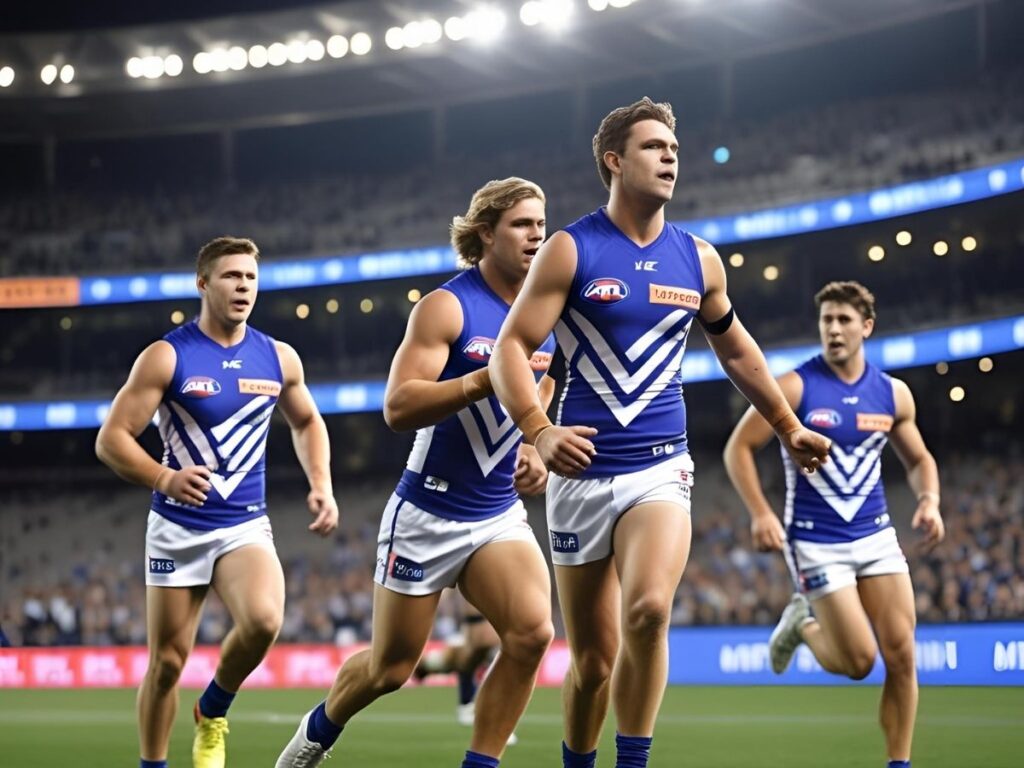
How trade period and draft strategies shape the evolving premiership window landscape
The 2025 trade season injected fresh narratives into the premiership window recalibrations. Clubs seized opportunities to adjust list demographics, plug defensive holes, or add explosive scoring power. Several standouts emerged as trade winners while others face notable risks going into 2026.
Hawthorn, for example, shored up defensive depth by acquiring key players such as Josh Battle and premiership Eagle Tom Barrass. Though their push for a star midfielder fell short, this reinvestment in defence coupled with a flair for scoring from turnovers keeps them well-positioned.
Collingwood underwent some notable shifts, delisting the likes of Mason Cox and Tom Mitchell while adding youthful firepower with Sydney forward Jack Buller. Their strategy indicates a balancing act: maintaining veteran experience while injecting new energy, especially since their first draft pick is delayed until pick 39.
The list managers and head coaches have also been testing innovative plays around turnover differential, capitalizing on the strategic insights from analytics providers like Champion Data. Such moves are reflected in the AFL’s increasing broadcast of local games, offering a ground-level view of developing tactics and player form that informs these decisions. Not to mention some of the latest kit deals from Reebok and Gilbert supporting player performance and club branding initiatives.
- Defensive acquisitions remain the trade period’s focal point.
- Youth integration balanced with veteran retention.
- Strategic exploitation of turnover differential tactics growing.
- Draft windows remain pivotal in shaping the next 3-5 years.
- Emerging technologies and broadcasts increase tactical transparency.
| Club | Notable Trade or Draft Action | Effect on Premiership Window |
|---|---|---|
| Hawthorn | Acquired Josh Battle, Tom Barrass; Missed Zach Merrett | Strengthened defence; midfield gap remains |
| Collingwood | Delisted veterans; Added Jack Buller; Late draft pick | Balancing youth and experience |
| Gold Coast Suns | Added Christian Petracca, Jamarra Ugle-Hagan | Improved premiership prospects |
| Essendon | Rebuilt list focusing on young talent | Long-term development focus |