

In the relentless theatre of elite sports, where every heartbeat echoes the pulse of competition, endurance separates the extraordinary from the merely talented. Among the pantheon of athletes revered for their stamina, some runners stand out for the sheer volume of ground they cover every game. Tracking data and GPS metrics now unveil a fascinating narrative: these runners don’t just run—they redefine the limits of endurance and tactical movement in their fields. From the hardwood courts of the NBA with lightning-quick guards like Stephen Curry, to the sprawling fields of Australian Football League (AFL), where midfield warriors carve up kilometres with unyielding persistence, the battle to cover the most ground is as fierce as the game itself.
In the dynamic realm of 2025 sports science, understanding who leads the charge in game-long mileage isn’t just trivia—it reveals key strategic insights, physical potentials, and even the mental toughness of players pushing their limits. Embedded in shoes crafted by brands like Nike, Adidas, and Puma, these athletes combine technology, technique, and sheer willpower to own every inch of the pitch, court, or field. Grab your boots or lace-up your runners, because this deep dive into the elite runners clocking the most kilometres per game will leave you breathless.
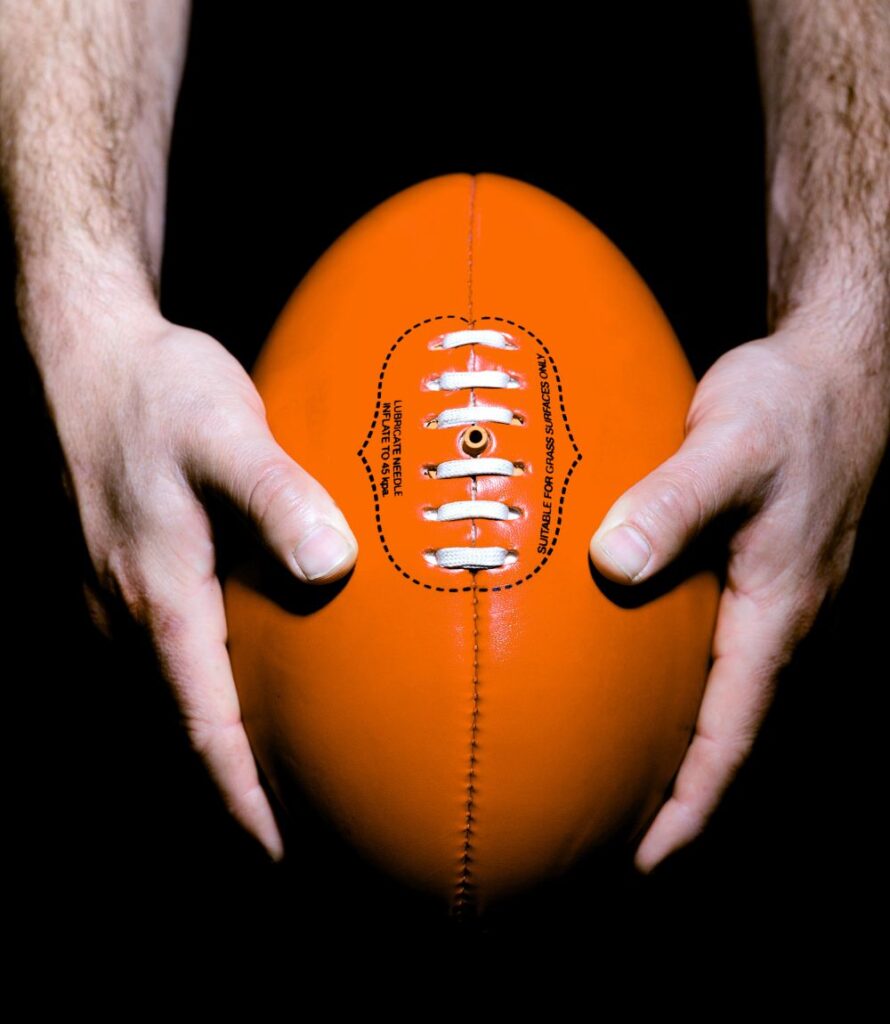
The Anatomy of Elite Running: Who Covers the Most Ground per Game in Sports?
Across various sports, the sheer physical demand to cover ground varies dramatically depending on gameplay style, field size, and tactical roles. Long-distance endurance, rapid sprinting bursts, and strategic positioning define a player’s running profile. Let’s break down the leaders in different sports and understand what makes these endurance titans tick.
- Soccer’s Marathoners: Soccer players rack up some of the longest distances per match, with midfielders of the English Premier League leading the pack, reaching upwards of 10-12 kilometres per game. These athletes are on a perpetual quest from box to box, combining relentless endurance with tactical brilliance.
- AFL’s Ground Conquerors: In the Australian Football League, elite midfielders cover massive distances often between 12 and 15 kilometres. AFL’s 360-degree gameplay, marked by frequent high-flying marks, rapid tackles, and transitional bursts, demands a blend of endurance and explosive speed.
- NBA’s Swift Court Rollers: NBA players average around 4 kilometres per game, but stars like Stephen Curry elevate that by consistently hitting 4-5 kilometres per game, owing to his constant off-ball movement and lightning-fast accelerations.
- Rugby League’s Tactical Sprinters: Rugby league players, often backs and loose forwards, cover between 7 to 9 kilometres per game, mixing explosive sprints with body-on-body collisions.
- Marathon Distance, Basketball Style: Despite a smaller court, basketball demands continuous motion, with guards routinely outpacing bigger men thanks to constant directional changes and defensive assignments.
Comparing these sports highlights how playing style influences running demands. Where soccer and AFL demand steady, marathon-like stamina, basketball and rugby mix endurance with rapid acceleration and power, calling for a hybrid conditioning model.
| Sport | Average Distance Covered (per Game) | Key Positions Covering Most Ground | Typical Movement Style |
|---|---|---|---|
| Soccer | 10-12 km | Midfielders | Continuous running, tactical positioning |
| AFL | 12-15 km | Midfielders | 360° movement, bursts and sustained runs |
| NBA Basketball | 4-5 km | Guards | Rapid sprints, off-ball movement |
| Rugby League | 7-9 km | Backs / Loose Forwards | Explosive sprints, high-impact engagements |
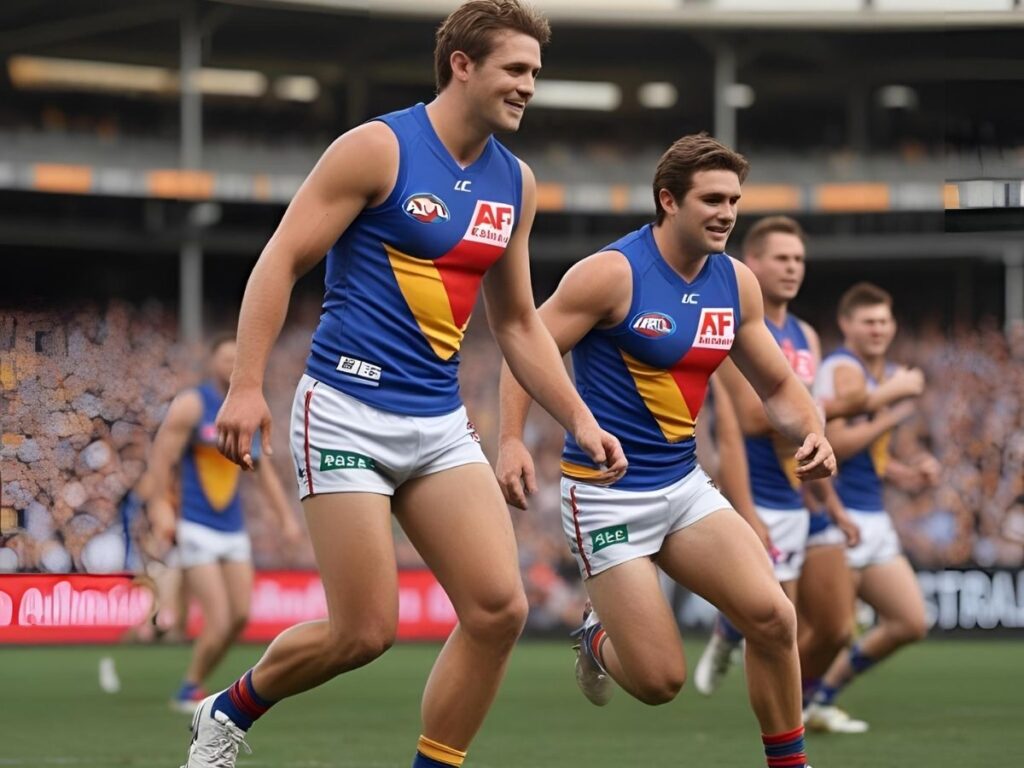
Stephen Curry: NBA’s Off-Ball Marathon Man Redefining Speed and Endurance
Among basketball’s elite, Stephen Curry stands out not solely because of his deadly shooting but also due to the staggering distances he covers on court every game. With advanced player tracking revealing Curry averaging around 2.54 miles (4.08 km) per match in 2025, his grind extends well beyond his sharpshooting. What truly sets Steph apart is his impressive split favoring offensive miles—a vivid sign of his relentless off-ball movement.
- Offense vs Defense Running: Steph averages 1.43 miles (2.3 km) on offense and 1.11 miles (1.78 km) on defense, revealing that he’s constantly darting off-ball to shake defenders, unlike other stars who may save energy for on-ball plays.
- Acceleration Power: Steph’s ability to explode from a walk to sprint in milliseconds, accelerating up to 19.3 feet per second off a crossover dribble, is a rare blend of agility and conditioning.
- Conditioning Mastery: His tireless conditioning regime powers him through heavy playoff minutes without a noticeable drop-off in pace or intensity, sustaining close to 0.6 miles running per quarter consistently.
| Player | Offensive Miles | Defensive Miles | Total Miles Covered |
|---|---|---|---|
| Stephen Curry | 1.43 | 1.11 | 2.54 |
| Damian Lillard | 1.32 | 1.23 | 2.55 |
| LeBron James | 1.01 | 1.37 | 2.38 |
| Giannis Antetokounmpo | 1.21 | 1.35 | 2.56 |
These numbers reveal just how much ground Curry covers on offense. His explosive speed and stamina allow him to constantly reposition himself for open shots and quick cuts, all while maintaining the energy required to guard fiercely on defense. Sneakers endorsed by brands like Under Armour and Nike provide technological edge, cushioning, and grip essential to sustain his fluid and sudden changes of pace.
Why Steph’s Running Game Changes How Basketball Is Played
His constant off-ball motion forces defenders into exhausting chases, opening lanes for teammates and revolutionizing offensive spacing. Coaches like Steve Kerr have built strategies around Curry’s endurance, seamlessly blending off-ball cuts, screens, and rapid pace changes. The Warriors’ style is a high-stamina symphony, powered by Curry’s unmatched motor.
AFL’s Endurance Kings: The Mighty Midfielders Who Dominate the Ground
In Australian Football, the elite midfielders are the unsung endurance heroes, galloping between defense and attack, constantly shaping the flow of gameplay. Their mileage tops the charts, routinely clocking between 12 to 15 kilometres per game on grounds that span more than 160 metres in length. Unlike NBA players confined to smaller courts, AFL’s expansive field demands a unique blend of aerobic endurance, explosive sprints, and tactical intelligence.
- 360-Degree Movement: Midfielders must be ready to sprint, tackle, and evade in every direction, with runs up to 30+ metres occurring repeatedly throughout the game.
- Interchange Tactics: Despite the incredible distances, strategic rotations keep players fresh, but the top runners still amass huge cumulative distances thanks to their relentless drive.
- Footwear Fusion: AFL stars gear up with brands like Asics, Adidas, and New Balance, chosen for durability and traction on variable turf conditions.
| Player Type | Average Distance Covered (km) | Movement Traits | Footwear Preferences |
|---|---|---|---|
| Midfielders | 12-15 | Extended bursts, multidirectional movement | Adidas / Asics |
| Defenders | 8-10 | Shorter sprints, tactical positioning | New Balance / Puma |
| Forwards | 7-9 | Repeated sprints and marking up | Brooks / Saucony |
Elite runners in AFL blend endurance training with explosive power work. Their daily regimens need balance between sustained aerobic capacity and anaerobic bursts—key to challenges like contested ball situations or marking duels. The rugged nature of footy turf and weather also means athletes rely heavily on the latest in shoe tech for stability and injury prevention.
Training Secrets Behind the Elite Runners’ Game-Long Dominance
Covering massive ground regularly calls for more than natural talent—it demands science-backed training, top-tier gear, and mental grit. What sets elite runners apart is their holistic approach to physical preparation and in-game awareness.
- Interval and Endurance Training: Combining long-distance runs with high-intensity sprints mimics the unpredictable pace of match play, enhancing both aerobic and anaerobic energy systems.
- Strength and Mobility: Lower body strength, lateral quickness, and core stability prevent fatigue and support efficient running mechanics—crucial for avoiding injury during explosive play.
- Recovery Innovations: From cryotherapy to advanced compression gear by brands like Hoka One One and Reebok, recovery allows players to sustain peak performance over seasons.
- Mental Conditioning: Elite athletes harness psychological resilience to maintain focus and endure the physical grind, particularly in the clutch moments of competition.
| Training Focus | Benefits | Typical Exercises | Gear & Tech |
|---|---|---|---|
| Interval Training | Boosts stamina & sprint capacity | Fartlek runs, sprint repeats | Nike Vaporfly, Adidas Adizero shoes |
| Strength & Mobility | Improves power & injury prevention | Squats, lunges, plyometrics | Puma training wear, Asics support shoes |
| Recovery | Enhances muscle repair & reduces fatigue | Cryotherapy, massage, compression | Hoka One One recovery footwear, Reebok compression gear |
| Mental Conditioning | Strengthens focus & endurance under stress | Meditation, visualization | Wearable biofeedback devices |
These training pillars form the backbone of modern-day runners’ success, enabling them to sustain marathon-like efforts with explosive bursts and tactical sharpness. Observing a player’s footwear, such as New Balance’s innovative running technology or Saucony’s emphasis on cushioning, reveals much about how these athletes optimize every inch of motion.
Future Outlook: How Sports Tech and Training Are Shaping the Next Generation of Elite Runners
Advancements in sports technology paired with evolving training philosophies promise to elevate running performances even further. Data-driven insights now allow coaches and athletes to tailor programs precisely and prevent overtraining or injuries.
- Wearable GPS and Biometric Sensors: Real-time tracking enhances in-game decision making and tracks fatigue, ensuring player longevity across intense seasons.
- AI-Driven Performance Analytics: Predictive models forecast optimal recovery windows and workload management, ushering athletes into a new era of personalized training.
- Footwear Innovations: Brands like Nike and Adidas are pioneering still lighter, more responsive shoes with energy return materials helping elite runners push beyond human limits.
- Environment-Specific Training: Virtual reality and environmental chambers allow players to adapt for diverse match conditions, from heat to altitude.
| Technology | Impact on Running Performance | Leading Brands / Providers | Examples of Usage |
|---|---|---|---|
| GPS Tracking | Monitors distance, speed, and movement patterns | Catapult Sports, Polar | Real-time match data for AFL and soccer teams |
| AI Analytics | Optimizes training load and recovery cycles | STATS Perform, Kinduct | Customized endurance programs for elite runners |
| Footwear Tech | Improves energy return and reduces fatigue | Nike, Adidas, Puma | New shoe lines unveiled for 2025 season focusing on marathon running |
| Environment Simulations | Prepares athletes for diverse game day challenges | STRIVR, SuperSuit | VR training for acclimatization |
Looking ahead, the marriage of elite athleticism and cutting-edge technology will not only push game distances but also redefine player endurance standards. Teams investing in recovery-focused gear by Brooks or dynamic footwear from Hoka One One equip their players to survive, and thrive, in a game that demands warriors of the turf to run far, fast, and smart.


