

As the AFL season barrels toward the finals, an intense spotlight shines not only on the players but also on those entrusted with interpreting the rules that govern every fierce contest on the field. The umpires, often caught between split-second decisions and the roaring demands of the crowd, have been proactive this year, stepping forward to clarify rule interpretations well ahead of the season’s climax. In a game where millimeters decide marking contests and microseconds determine holding the ball, understanding exactly how rules like prior opportunity, high contact, and insufficient intent are judged has never been more crucial.
With the AFL dispatching specialized video modules and detailed examples to clubs and officials, players, coaches, and fans alike are gaining unprecedented insight into the fine print behind umpiring decisions. This education initiative, blending raw footage of key moments with expert analysis, goes beyond preseason briefings into a consistent, transparent dialogue running through the season.
Behind these updates lies an acknowledgment: footy is an evolving beast, fiercely competitive and fast-paced, where the lines between accident, skill, and foul play remain razor-thin. The umpires aim to uphold fairness and safety without diluting the game’s inventiveness or pace. Leveraging technologies like VR training and video replay scrutiny, officials are sharpening their judgment and consistency to ensure that when the finals’ intensity peaks, the game is called correctly and confidently.
Detailed Interpretations on Holding the Ball Rule and Player Impact
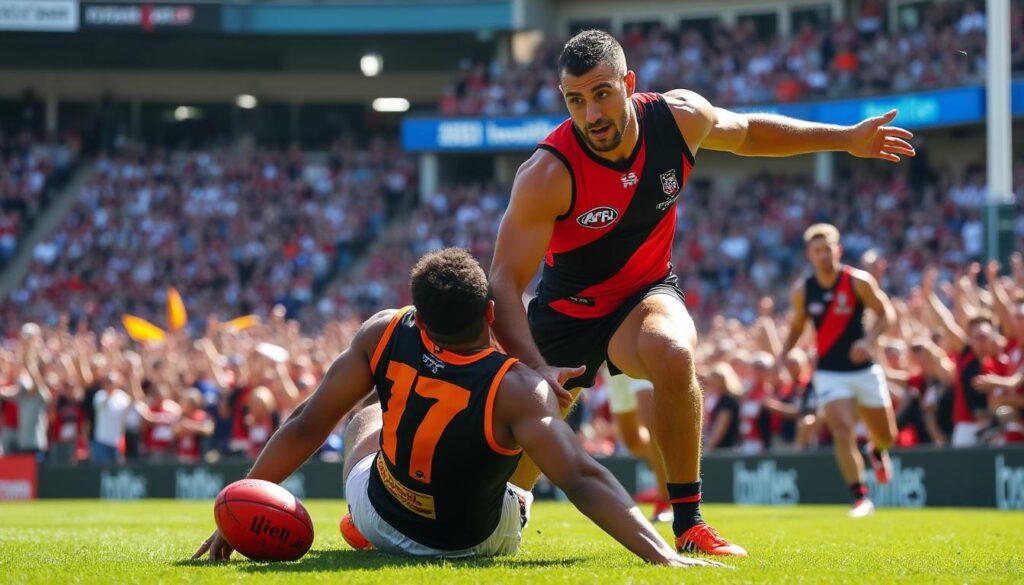
The infamous “holding the ball” rule has once again surfaced as a focal point for discussion amongst umpires ahead of the finals. It governs a core contest in AFL — the battle for possession under physical pressure. The AFL’s umpires chief, Steve McBurney, has emphasized that the interpretation this season rests firmly on the concept of “prior opportunity.” If a player has had sufficient chance to dispose of the football correctly before being tackled, failing to do so attracts a holding the ball penalty. Conversely, if tackled immediately or before prior opportunity is established, a player dropping the ball is deemed natural ball movement rather than a breach.
To aid understanding, the AFL distributed explanatory videos showcasing scenarios depicting both clear-cut and boundary cases. For example, clips highlight players like those from the Western Bulldogs engaging in tackling sequences that show how possession is lost within immediate tackles, making the umpire’s ruling a play-on call rather than a penalty. In this nuanced environment, the umpire’s eye for intent and timing becomes a chess match. Players are encouraged to genuinely attempt disposal, and umpires reward this earnest effort, even if the ball slips away.
- Prior Opportunity Defined: Time and ability to dispose of the ball before being tackled.
- Genuine Disposal Attempt: Player actively tries to handball or kick when tackled.
- Immediate Tackle Exception: If tackle happens too quickly, ball dropping is allowed.
These clarifications are particularly meaningful for footy fans striving to grasp complex umpiring reasoning often misunderstood during heated matches. The guiding principle is fairness — punishing deliberate ball retention without stifling genuine possession battles. This balance preserves the game’s raw physicality without descending into overly technical adjudication that could stall the play’s fluid rhythm.
| Scenario | Outcome | Explanation |
|---|---|---|
| Player tackled immediately holding ball | Play-on called | Player had no chance to dispose |
| Player had prior opportunity but failed disposal | Holding the ball fined | Penalty for not disposing when able |
| Player attempts disposal, ball dislodged | Play-on called | Legitimate disposal attempt made |
Clarifying High Contact and Insufficient Intent: Protecting Players While Encouraging Aggression
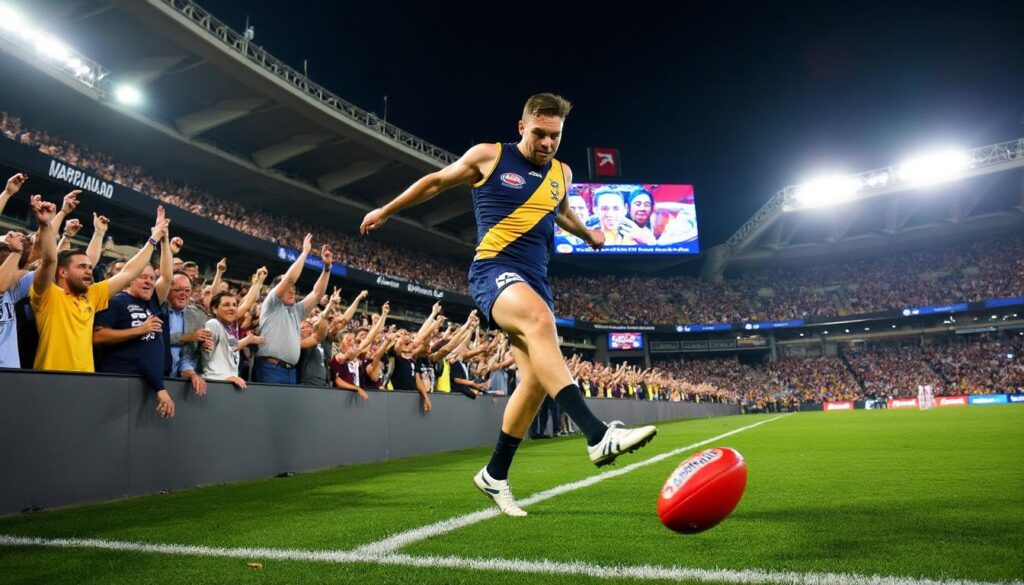
High contact and insufficient intent rules remain another hot-button topic, especially with the game’s speed and physicality ramping up in finals pressure. The AFL has consistently sought to protect players from dangerous or reckless conduct without smothering the natural aggression and athleticism that defines footy. It’s a delicate line, with umpiring interpretations sent to clubs to ensure uniform application.
The “high contact” rule penalizes contact above the shoulders, a threshold that includes head-high tackles or incidental arm clashes that risk injury. However, the rule’s application depends largely on intent and impact. Some actions are accidental and unavoidable during contested marking attempts or ground-level scrambles. The AFL emphasizes differentiating between careless contact and clear negligence. For instance, a player stretching out to mark a ball may unintentionally graze an opponent’s head. Such incidents often call for discretion rather than penalties.
Similarly, the “insufficient intent” rule addresses situations where a player is penalized for attempting a skillful disposal or mark but fails due to hesitation or a clumsy execution, not deliberate rule breaking. Umpires have been instructed to assess whether the player’s intent was genuine or if there was a strategy to exploit loopholes.
- High Contact: Contact above the shoulder; judged on intent and severity.
- Accidental vs Deliberate: Discretion used where contact is unavoidable.
- Insufficient Intent: Penalty avoided if effort to comply with rules is genuine.
These rule clarifications foster a game environment where physical clashes remain intense but safe, guarding player welfare without diminishing spectacular aerial contests, hallmark of AFL’s appeal.
| Rule | Situation | Umpire Approach |
|---|---|---|
| High Contact | Head-high tackle with force | Penalty issued; player protection prioritized |
| High Contact | Arm brushes head during marking contest | Usually no penalty if accidental |
| Insufficient Intent | Clumsy handball attempt | Play-on called if genuine effort |
Impact of Rule Interpretations on Player and Coach Strategies
With clarification rolling out early, teams have adapted their gameplay, recognizing the nuances around these interpretations. Coaches are now tailoring practice drills to ingrain correct disposal techniques under pressure, knowing umpires will rigorously enforce prior opportunity. Players refine their awareness of when to execute quick disposals or avoid tackling infringements that could hand the opposition free kicks at critical moments.
Moreover, defensive tactics transform around holding the ball law enforcement. Pressure is increased, but with an understanding that umpires respect genuine disposal attempts. This demands elite footy players to master composure and speed.
- Training Adjustments: Emphasis on quick and genuine disposal.
- Matchday Tactics: Intelligent tackling focusing on timing.
- Coaching Focus: Preparing players to stay within laws and benefit from rule knowledge.
A particularly noticeable influence arises in marking contests. Clubs now pay closer attention to pushing infringements, a subject previously highlighted in the AFL’s instructional videos featuring real examples from the season. The emphasis on what counts as legitimate pushing versus illegal advantage has added a layer of tactical chess in aerial duels.
| Category | Strategy Adaptation | Benefit |
|---|---|---|
| Disposal under pressure | Practice quick kicks/handballs | Reduce free kicks against held ball |
| Defensive tackling | Target immediate tackle timing | Force turnovers or play-on calls |
| Marking duels | Refine legal contest techniques | Minimize illegal push penalties |
Technological Advances Driving Umpire Education and Consistency
Technology plays an integral role in empowering umpires with the tools to deliver consistent decisions as the finals heat up. AFL’s approach involves continuous performance review through video analysis, VR immersion, and interactive education modules designed to simulate contentious play scenarios.
After each round, umpires dissect footage not only to assess their calls but to identify emerging trends or grey areas in rule interpretations. The League leverages this data to roll out instructional materials to both officials and clubs, delivering the same insights to all stakeholders. This transparency fosters mutual understanding and respect for umpire decisions, diffusing frustration and confusion often heard from fans and players.
- Video Analysis: Routine review of match footage for accuracy and training.
- Virtual Reality Tools: Simulate real-time decisions and refine umpiring judgment.
- Educational Videos: Shared with clubs and players for clearer rule comprehension.
- Data-Driven Feedback: Umpire scores and call review guide improvements.
These innovations encourage a strong connection between officiating and coaching communities, enabling rapid feedback loops and consistent rule enforcement during critical matches. The approach seeks balance — preserving the thrill, speed, and intensity of footy while embedding fairness and player safety firmly into the foundations of every decision made on the turf.
| Technology | Purpose | Impact on Officiating |
|---|---|---|
| Video Replay | Post-game and in-game analysis | Improves decision accuracy |
| Virtual Reality | Training scenarios for umpires | Enhances quick reaction skills |
| Instructional Videos | Clarify rule interpretations for stakeholders | Reduces misunderstandings and disputes |
| Performance Metrics | Feedback on calls and umpire assessments | Drives continuous improvement |
Gear and Equipment Influences on Rule Enforcement and Player Performance
While umpiring interpretations focus on the rules and their application, the equipment players use subtly affects these outcomes. Advancements in gear brands such as Wilson, Rawlings, Mizuno, and Easton have meant players enjoy enhanced grip and control on both their kicks and handballs. This elevated skill set aligns neatly with the stricter enforcement of genuine disposal attempts as umpires look to penalize inefficient or lazy ball use.
Footwear innovations from Under Armour, Nike, Adidas, and Puma provide superior traction and agility, allowing players to execute quicker decisions with stability under pressure. This technical improvement supports faster disposal, directly correlating with reduced infringements on holding the ball calls.
Additionally, the use of quality balls such as those by Spalding and Wilson ensures consistent bounce and flight, making the umpire’s judgment on genuine disposal clearer and more reliable. Players adapting to this equipment can better showcase their skills and reduce fouls resulting from forced errors.
- Grip Technology: Enhanced ball control reduces handling errors.
- Footwear Traction: Better stability supports faster ball disposal.
- Consistent Ball Quality: Ensures predictable play patterns aiding umpire judgment.
- Protective Gear: Reduces risk in high contact situations, assisting referee calls.
| Brand | Equipment Type | Impact on Play |
|---|---|---|
| Wilson | Football and Grip technology | Improves ball handling and disposal accuracy |
| Rawlings | Ball manufacturing | Consistent ball bounce and flight |
| Mizuno | Player gloves and training gear | Enhances grip and comfort during matches |
| Easton | Protective equipment | Supports safer play in physical contests |
| Under Armour, Nike, Adidas, Puma | Footwear | Provides traction for faster, balanced movements |
| Spalding | Football | Aids consistent flight for reliable umpiring |
For fans seeking to better understand the game’s fundamentals and appreciate the subtleties that differentiate one player’s clean disposal from another’s holding the ball faux pas, resources like this comprehensive guide provide excellent grounding. They immerse readers in everything from basic scoring to advanced positions, deepening respect for the rules central to the game’s raw, intense spirit.


