

In the high-stakes arena of sports, where every millisecond counts and physical resilience separates champions from contenders, the science of recovery has surged to the forefront. Elite clubs and their dedicated sports science teams are no longer relying on guesswork or tradition alone; recovery routines have evolved into evidence-backed, meticulously crafted strategies. These protocols are the difference-makers, shaping how athletes bounce back from grueling matches, intense training, and the taxing calendar of competitions. From elite clubrooms equipped with cutting-edge technology to the nuanced understanding of individual players’ physiological responses, recovery has become a dynamic, multidimensional process that intertwines sleep science, nutrition, physical therapies, and psychological care. It’s a game within the game—one where recovery science teams leverage everything from Nike’s smart tech to Under Armour compression gear, and Hyperice’s advanced devices to personalized hydration plans.
In many ways, recovery today reflects the complexity of Australian Football itself: quick shifts, a blend of brute power and elegance, resilience, and tactical intelligence. The clock barely stops in the AFL season; players face back-to-back fixtures, extensive travels, and the brutal physicality of the sport. Recognizing the critical advantage that top-tier recovery provides, clubs are investing heavily in specialized roles within their medical and performance staffs dedicated exclusively to managing and maximizing this component. Their mission? To transform post-game and post-training fatigue into prime physical readiness and mental focus by race day. This evolving science draws from a global body of insights validated by recent research, yet it remains deeply personalized. Every recovery routine is tailored—because even within the team, every body and every match demands unique attention. As the AFL continues to redefine itself at the elite level, understanding the recovery paradigms shared by club sports science teams unlocks a hidden layer of strategy and preparation essential for sustaining peak performance throughout long seasons.
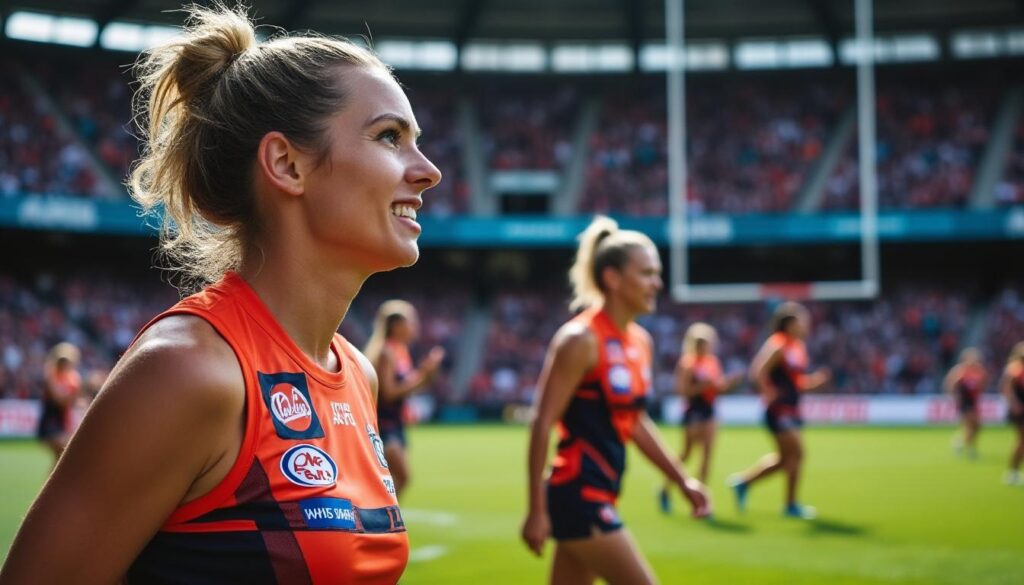
Advanced Sleep Strategies at the Core of Elite Athlete Recovery
Sleep remains the undisputed foundation of effective recovery in club sports science, echoing prominently throughout the halls of AFL training centers. Beyond rest, sleep orchestrates the body’s repair, hormonal balance, and mental recalibration. Teams understand that suboptimal sleep — affected by game stress, travel across time zones, and training schedules — is a silent crippler of performance.
Elite recovery teams now implement tailored sleep protocols that personalize bedtime routines, manipulate environment factors like light and temperature, and integrate behavioral modifications targeting modern distractions, such as reducing blue light exposure from smartphones and gaming consoles. This approach recognizes the disruptive effects of technology and the intense social pressures athletes face. It aims to secure quality sleep, not just quantity.
In practical terms, this involves a combination of strategies such as:
- Sleep extension phases: where players increase their nightly sleep hours, usually slowed down to an extra hour or two, aiming to counteract cumulative fatigue during intense competition blocks.
- Strategic napping: short, controlled naps during the day to top up alertness and physiological recovery.
- Travel-adjusted sleep plans: carefully timed light exposure and melatonin regulation to alleviate jet lag effects encountered during interstate or international travel.
- Environmental controls: optimizing room temperature, sound, and blackout curtains at hotels and homes.
Scientific data increasingly supports these interventions. Studies in sports science show even marginal sleep improvements can enhance reaction times, mood, and decision-making on the field—critical in fast-paced AFL matches. Teams such as those adhering to the principles promoted in the Spargo lineage of AFL excellence emphasize that proper sleep routines distinguish elite performers from the rest.
| Sleep Intervention | Primary Benefit | Typical Application | Impact on Performance |
|---|---|---|---|
| Sleep extension | Reduced cumulative fatigue | Pre-tournament and congested fixture blocks | Improved stamina and cognitive processing |
| Strategic napping | Enhanced alertness | Back-to-back game days and travel | Sharper physical and tactical execution |
| Travel-adjusted protocols | Jet lag mitigation | Long-haul flights and time zone changes | Better synchronization of circadian rhythms |
| Environmental controls | Optimized sleep environment | Hotels and recovery centers post-match | Improved sleep quality and muscle repair |
Nutrition and Hydration Protocols: Building Blocks of Rapid Recovery
At the heart of every recovery routine lies a meticulous nutritional strategy. Club scientists emphasize the importance of refueling with precision — not just in what players eat, but when and how. This approach elevates players’ energy restoration and muscle repair, vital for enduring the punishing AFL calendar.
Nutrition protocols focus firmly on post-exercise replenishment phases. Aiming to restore glycogen, rehydrate, and initiate muscle protein synthesis, clubs blend traditional dietetics with innovative advances in sports nutrition. Exclusive partnerships with leading brands, including Adidas and Reebok, ensure players have access to custom formulas crafted for their metabolic needs.
- Carbohydrate timing: Athletes consume approximately 1 gram per kilogram of bodyweight of carbohydrates within 30 minutes after intensive training or matches, continuing with frequent carbohydrate-rich intakes over the next 3 to 4 hours.
- Protein infusion: Incorporation of high-quality proteins or plant-based alternatives supports muscle tissue repair and growth.
- Hydration monitoring: Smart bottles synced with wearable tech, often from brands like Nike or Puma, help track fluid intake and electrolyte balance to fine-tune hydration strategies.
- Ergonutritional supplements: Targeted use of creatine, BCAAs, and anti-inflammatory omega-3s complement whole-food recovery.
These principles are not just conjectural. The link between nutrition and subsequent athletic output is supported extensively, guiding recovery teams on the frontline. Players in the AFL ecosystem, familiar with competitive trench warfare on the oval, rely heavily on these systems. Learn more on how top professionals integrate these strategies into training at Pro Secrets Australian Football Training.
| Nutrition Aspect | Goal | Food/Supplement Examples | Performance Benefit |
|---|---|---|---|
| Carbohydrate intake | Replenish muscle glycogen | Whole grains, fruits, recovery shakes | Readiness for next session |
| Protein consumption | Muscle repair and hypertrophy | Lean meats, legumes, protein powders | Minimize injury risk, improve strength |
| Hydration | Maintain fluid balance and electrolyte levels | Water, electrolyte drinks | Maintain endurance and cognitive function |
| Supplements | Support anti-inflammatory response | Omega-3, creatine, BCAAs | Reduce recovery time, muscle soreness |

Water Therapy and Hydrotherapy Techniques Revolutionizing Recovery Times
Water therapy commands a central role in the recovery playbook of club sports science teams. The integration of cold water immersion (CWI), hot water immersion (HWI), and contrast therapy offers tailored physiological benefits that accelerate recovery phases.
Cold water immersion, revered for its capacity to reduce inflammation, swelling, and muscle soreness, is typically prescribed post-training or competition. By immersing athletes in water temperatures between 11°C to 15°C for about 11 to 15 minutes, teams harness the body’s natural responses to rapid cooling, which aids in recovery of neuromuscular function and attenuates delayed onset muscle soreness (DOMS).
In contrast, hot water immersion focuses on relaxation and enhanced blood flow, opening pathways for nutrient delivery and metabolic waste removal. However, its application is more nuanced and often reserved for low-intensity days or as a precursor to massage therapy.
Contrast therapy, alternating between cold and hot water exposure, stimulates circulation and hastens recovery, useful during tournament scenarios requiring frequent, quick turnarounds.
- Cold water immersion (CWI): Effective for managing muscle damage and reducing hyperthermia, particularly after high-intensity games.
- Hot water immersion (HWI): Provides psychological relaxation and eases muscle tightness; better suited for rest or regeneration days.
- Contrast water therapy (CWT): Balances the benefits of CWI and HWI by stimulating circulatory systems and reducing swelling.
- Individual customization: Protocols adapted based on athlete’s body composition, sex, age, and recovery need.
These therapies have garnered significant traction among AFL clubs, with some athletes complementing their regimen using tech innovation from Hyperice and Theragun devices that deliver percussive massage and myofascial release to enhance the benefits of hydrotherapy.
| Water Therapy Modalities | Target Outcome | Typical Duration/Temperature | Recommended Application |
|---|---|---|---|
| Cold water immersion | Inflammation reduction, muscle soreness alleviation | 11°–15°C, 11–15 minutes | Post high-intensity matches or training |
| Hot water immersion | Muscle relaxation, blood flow improvement | >36°C, up to 20 minutes | Rest days or pre-massage routine |
| Contrast therapy | Circulatory stimulation, edema reduction | Alternating 1–5 minutes hot/cold cycles | Tournament settings with quick recovery demands |
Utilizing Compression Garments and Innovative Recovery Tools in Team Protocols
Compression therapy has gained a reputation in club sports science for its potential to optimize recovery through improved blood flow and reduced muscle oscillation. Skins compression apparel, along with products from brands like Puma and Under Armour, are staples within the recovery kit of AFL athletes.
These garments aid by:
- Enhancing venous return: which speeds up the removal of metabolic waste produced during exercise.
- Reducing edema: especially during long flights, a common occurrence as teams crisscross Australia.
- Decreasing muscle vibrations: that can contribute to fatigue and delayed muscle soreness.
Complementing these, advanced devices such as TriggerPoint foam rollers, Hyperice’s vibrating massage tools, and Therabody’s Theragun are integrated to accelerate fascial release and neural recovery. Teams design protocols combining these technologies with manual therapies to not just soothe aching muscles but actively engage the nervous system in performance recovery.
Modern recovery units, often mobile, establish dedicated recovery zones close to player facilities or even at match venues. These stations are stocked with compression gear, equipment from Hyperice and Therabody, and incorporate monitored rest areas. This mobile deployment ensures players benefit from rapid recovery processes regardless of venue, a tactical edge some believe is as crucial as elite training itself.
| Recovery Tool | Main Function | Typical Use Duration | Benefits |
|---|---|---|---|
| Compression Garments (Skins, Under Armour) | Enhance blood flow, reduce swelling | Post-match, during travel | Faster recovery, reduced fatigue |
| TriggerPoint foam rollers | Myofascial release | 10-15 minutes | Improved muscle elasticity, decreased soreness |
| Hyperice and Therabody devices | Percussive and vibration therapy | 5-10 minutes per muscle group | Enhanced circulation, neuro-muscular relaxation |
Cutting Edge Recovery Science and the Role of Individualized Monitoring
The future of recovery in club sports hinges on individualized monitoring and adaptive science. No longer is recovery a one-size-fits-all formula. Elite teams deploy sophisticated tools, weaving together physiological, biochemical, and psychological markers to tailor recovery routines that match each player’s unique demands.
Sophisticated wearables track heart rate variability and metabolic load, while biochemical assays sample hormonal levels and markers of inflammation. This data feeds into machine learning models designed to predict injury risks and optimize the balance between training stress and rest. Players identified as “over-estimators” or “underestimators” of their fatigue levels receive tailored interventions, from modified training to bespoke recovery protocols.
Within this evolving framework, collaboration is king: sports scientists, physicians, psychologists, and coaches coordinate closely, ensuring recovery aligns with tactical demands and player wellbeing. Recent advances in epigenetics offer a glimpse into how genetic and molecular profiles may influence recovery responsiveness, hinting at a future where recovery strategies may be as individually engineered as a Nike or Adidas custom boot.
- Wearable biometrics: continuous data on sleep quality, heart rate, and physiological stress.
- Biological sampling: blood and saliva markers to check for inflammation and recovery status.
- Machine learning integration: predictive analytics for injury risk and optimal load management.
- Epigenetic analysis: studying gene-environment interactions that affect training adaptation and fatigue.
Comprehending and adopting these technologies is pivotal for teams aiming to maintain competitive edges during the relentless rhythms of the AFL season. This approach harmonizes the disparate elements of recovery science into a fine-tuned, responsive system, a framework already embraced by leading clubs monitoring recovery and performance at an unprecedented level, with updates frequently published on Australian Football News & Updates.
| Recovery Science Component | Function | Technology or Method | Impact on Athlete Management |
|---|---|---|---|
| Wearable Biometrics | Real-time physiological tracking | Heart rate monitors, sleep trackers | Immediate feedback on fatigue and readiness |
| Biological Sampling | Assess inflammation and recovery status | Blood tests, saliva assays | Customize nutrition and training loads |
| Machine Learning | Predict injury risk and recovery needs | AI algorithms and data analytics | Prevent overtraining and optimize performance |
| Epigenetic Profiling | Understand genetic influences on fatigue | Genomic analysis tools | Personalize recovery protocols |


