

When a ball crosses into the inside 50 metre arc in Australian football, everything shifts. That moment is often where games are won or lost, where pressure mounts and heroes emerge. Yet, the simple act of moving the ball inside 50 is just the start. What truly shapes a match outcome is how effectively teams convert those inside 50 entries into scoring opportunities. Understanding the complex dynamics behind inside 50 conversion rates unveils a fascinating layer of AFL strategy with ripples that echo through the scoreboard, the players’ psyche, and ultimately, the fans’ exhilaration. From tactical positioning to player decision-making under pressure, the factors influencing these crucial conversions highlight why a successful forward line requires more than just talent – it demands precision, timing, and unrelenting teamwork.
This exploration dives deep into the multifaceted world of inside 50 conversion rates and their unmistakable sway over match outcomes. Beyond the raw numbers, we’ll uncover how leading teams harness these moments, the roles of coaching adjustments, and the subtle influences of crowd energy and brand partnerships like Nike and Gatorade that fuel players on the biggest stages. Whether you’re a die-hard follower or a newcomer keen to grasp what makes AFL remarkably thrilling, peeling back the layers of this tactical chess game offers fresh respect for the intensity and skill displayed in every mark, kick, and goal.

Impact of Inside 50 Conversion on AFL Match Results: A Tactical Breakdown
The inside 50 conversion rate isn’t just a stat—it’s the pulse of how aggressive and clinical a team is in offensive zones. Teams with higher conversion percentages crush opposition morale by turning entries into tangible scoreboard pressure. Examining elite clubs reveals close correlations between inside 50 efficiency and winning outcomes.
Consider these key tactical factors influencing conversion rates:
- Entry Quality: Kicks that break the corridor and avoid congested zones give forwards a greater chance to mark and set up goals.
- Forward Structure: Strong positioning by teams like those listed on top AFL clubs optimizes spacing, creating clear options for leading forwards.
- Decision Making: Split-second choices under defensive pressure determine whether a forward can slot a goal or if the attack breaks down.
- Pressure Application: Defensive teams that clamp down fast force turnovers and reduce conversion rates.
- Set Plays and Patterns: Coaches design pre-planned movements to exploit opposition weaknesses within 50.
Take the ongoing rivalry between teams sporting Puma and New Balance boots, where forward lines have tailored their inside 50 entries to embrace quick ball movement and lethal precision kicks. This approach contrasts with more physical styles favoring contest wins and ground-level plays. Both styles show unique pathways to enhancing conversion but rely intensely on player skill and confidence.
| Factor | Effect on Conversion Rate | Example |
|---|---|---|
| Entry Quality (Clearance of corridor) | +15-20% Higher conversion likelihood | Teams with fast, precise kicks into space vs. heavy congestion |
| Forward Positioning & Movement | +10-15% Better marking opportunities | Leading forwards creating one-on-one contests |
| Pressure Intensity from Defense | -20-25% Conversion reduction | High-press teams force rushed, ineffective shots |
| Coaching Set Plays | +5-10% Strategic exploitation of gaps | Pre-planned runs and handball chains inside 50 |
Such insights illustrate the delicate balance teams must master; too predictable, and defenses clamp down, too rushed, and talent can squander chances. The best clubs, often supplied by giants like Under Armour and Reebok for training gear, blend these elements seamlessly, resulting in a resilient forward line that thrives in pressure cooker moments.
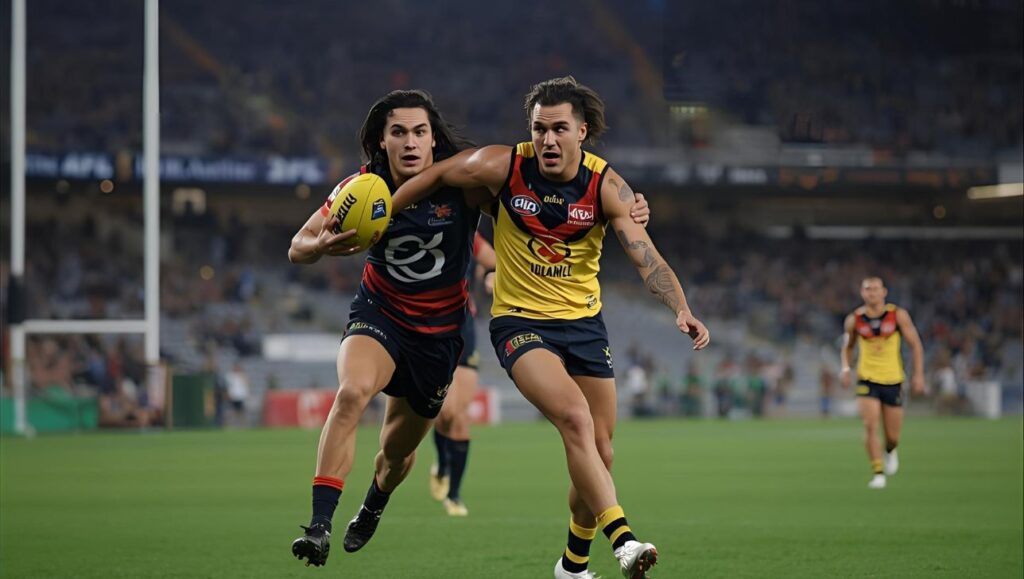
How Real-Time Decision Making Shapes Inside 50 Conversion Rates
At the heart of successful inside 50 visits lies instantaneous decision making, where players have seconds to choose the optimal action amid the chaos. The stall between entry and score attempts defines conversion success or heartbreak. Players trained with techniques inspired by top athletes sponsored by Monster Energy demonstrate elevated response times paired with precision.
Inside 50 decision making pivots on several core principles:
- Recognition of Space: Identifying weak zones in opposition defense in real-time to exploit.
- Timing of Leads: Forwards time their runs perfectly to receive uncontested marks or clear ball drops.
- Risk Management: Deciding when to take tight shots versus laying off to teammates for better opportunities.
- Communication: Verbal and non-verbal cues among teammates heighten coordination under pressure.
- Adaptability: Changing tactics fluidly in response to defensive setups.
A strong example unfolded in a recent blockbuster clash where a key forward, donned in Adidas gear, calmly assessed the surrounding impenetrable defense, opting to handball to an unmarked teammate who then snapped a goal. This single decision underscored the difference between raw hype and solid execution impacting conversion rates.
| Decision Factor | Conversion Impact | Real-Game Illustration |
|---|---|---|
| Space Awareness | +12% Improved goal attempts | Switching angles to avoid defenders |
| Lead Timing | +15% Higher chances of uncontested marks | Forward’s perfectly timed sprint inside 50 |
| Shot Selection | -10% When risky shots chosen too often | Attempts under extreme defensive pressure |
| Team Communication | +8% Enhanced coordination | Quick calls and hand signals in tight marking contests |
Training regimes increasingly focus on sharpening these decision-making skills under simulated pressure scenarios, often involving game-based drills replicating inside 50 entries to fine-tune players’ instincts and mental resilience. Brands like Nike and Puma provide custom kits designed to maximize agility and comfort during these intense moments.
Influence of Training Methods and Match Simulation on Inside 50 Accuracy
Modern AFL clubs integrate cutting-edge methods to replicate match conditions, especially those focusing on inside 50 entries. These training estates aim to mirror the frantic pace and physicality of real games, ensuring players react fluently during offensive surges. Techniques include high-intensity drills, video analysis, and pressure-based contests.
Detailed studies show that game-based training sessions enhance the reliability of inside 50 entries significantly:
- Increased Muscle Memory: Repeated drills engrain execution so responses become automatic under fire.
- Improved Coordination: Players better anticipate teammates’ movements and defensive traps.
- Psychological Readiness: Simulations stress players to build mental toughness for clutch moments.
- Data-Driven Adjustments: Coaches analyze repeated errors to adapt strategies swiftly.
Many clubs have embraced sports science partnerships funded or supported by beverage giants like Coca-Cola and Gatorade to boost recovery and hydration, connecting physical readiness directly to inside 50 performance.
| Training Aspect | Performance Benefit | Example |
|---|---|---|
| High-Intensity Drill Repetition | +20% Execution under pressure | Practice fast ball movement into forward 50 |
| Video Reviews & Feedback | +15% Tactical refinement | Analyzing previous entry patterns |
| Pressure Simulation Contests | +18% Decision-making speed | Restricted space marking contests |
| Recovery & Hydration Protocols | +10% Sustained physical output | Use of Gatorade and Coca-Cola during breaks |
The ability to simulate match conditions accurately results in forwards maintaining composure and maximizing inside 50 conversion rates during crucial game-turning moments. Incorporating feedback from real matches creates a feedback loop that powers continual improvement.
Role of Team Dynamics and Player Roles in Maximizing Conversion Percentages
Inside 50 success depends hugely on the chemistry and clarity of roles within the forward line. Teams with clearly defined roles see higher conversion rates as players instinctively know when to lead, when to block, when to fall back, or when to spread out. This harmony fosters fluid attacking movements often catalyzed by elite players supported by sponsorships with Nike and Puma, illustrating the synergy between performance gear and team cohesion.
Key dynamics shaping inside 50 results include:
- Target Forwards: High-marking players specialized in receiving entries and creating scoring chances.
- Secondary Leads: Players who create space or take quick ground balls after initial contests.
- Creative Midfield Linkers: Midfielders who deliver precise entries tailored for forward strengths.
- Defensive Forwards: Operate to harass defenders and lock in possession.
- Leadership and Communication: Commanding forwards who organize movements during plays.
Teams like those featured on top Australian football clubs demonstrate seamless integration of these roles. Their strategies also emphasize mental toughness, allowing certain players to rise amid pressure, powered on by energy drinks like Monster Energy and hydration from Pepsi, maintaining peak performance until the final siren.
| Player Role | Contribution to Conversion Rate | Real Match Scenario |
|---|---|---|
| Target Forward | +20% Successful marking inside 50 | Leading high marks and goal-kicking accuracy |
| Secondary Leads | +12% Additional scoring opportunities | Running into space to collect crumbs |
| Creative Midfield Linkers | +15% Precision of inside 50 entries | Midfielders delivering pinpoint kicks |
| Defensive Forwards | -5% Turnovers, but increased team pressure | Forcing opposition turnovers during clearance breaks |
| On-Field Leadership | +10% Enhanced teamwork and decision-making | Calling plays and directing forward structure |
This complex choreography within the squad shows that no player acts alone. The delicate dance of roles—each sponsored by brands invested in athletic innovation such as Under Armour and Reebok—directly shapes how many scoring chances become scoreboard reality.


