
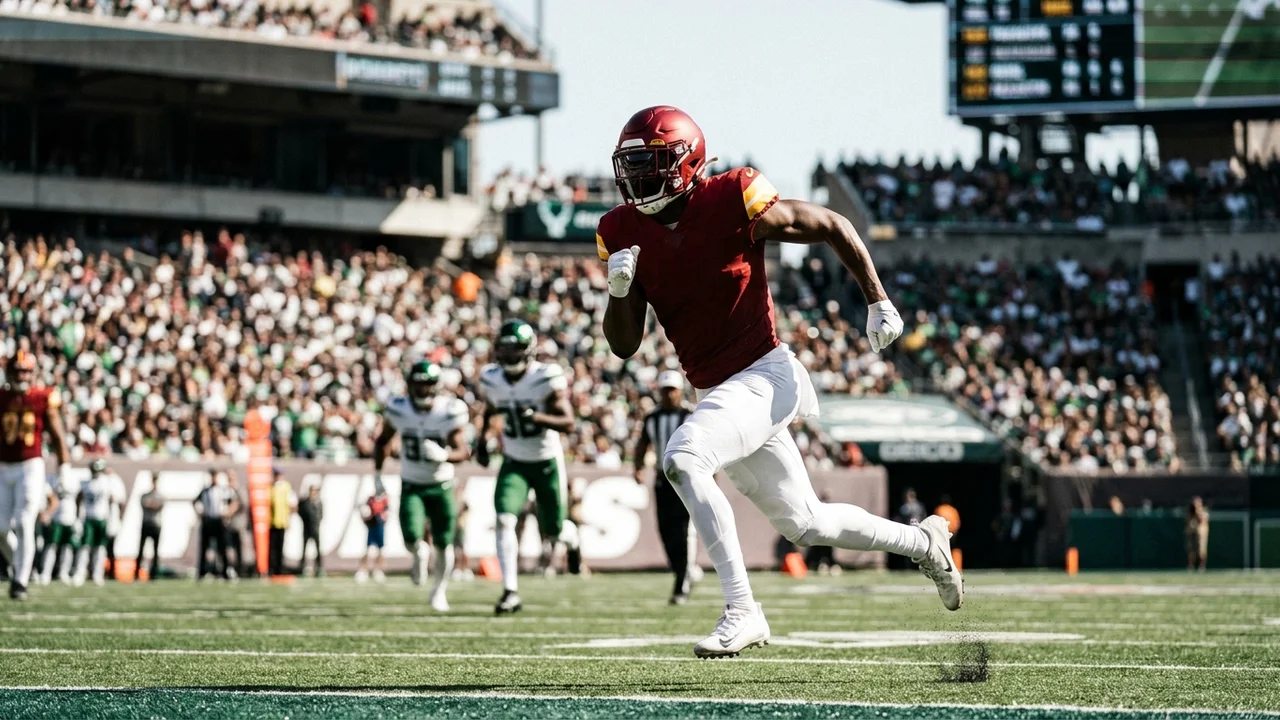
Brandon Aiyuk’s offseason veered off course the moment he appeared on video, sporting a Commanders hat and telling fans to “get your tickets and watch us rock out.” Suddenly, the 49ers receiver’s contract standoff wasn’t just a negotiation, it was a spectacle, with every social media post fueling speculation about his intentions and the thinking behind them.
Performance. Contract Value, and the 49ers’ Financial Risk
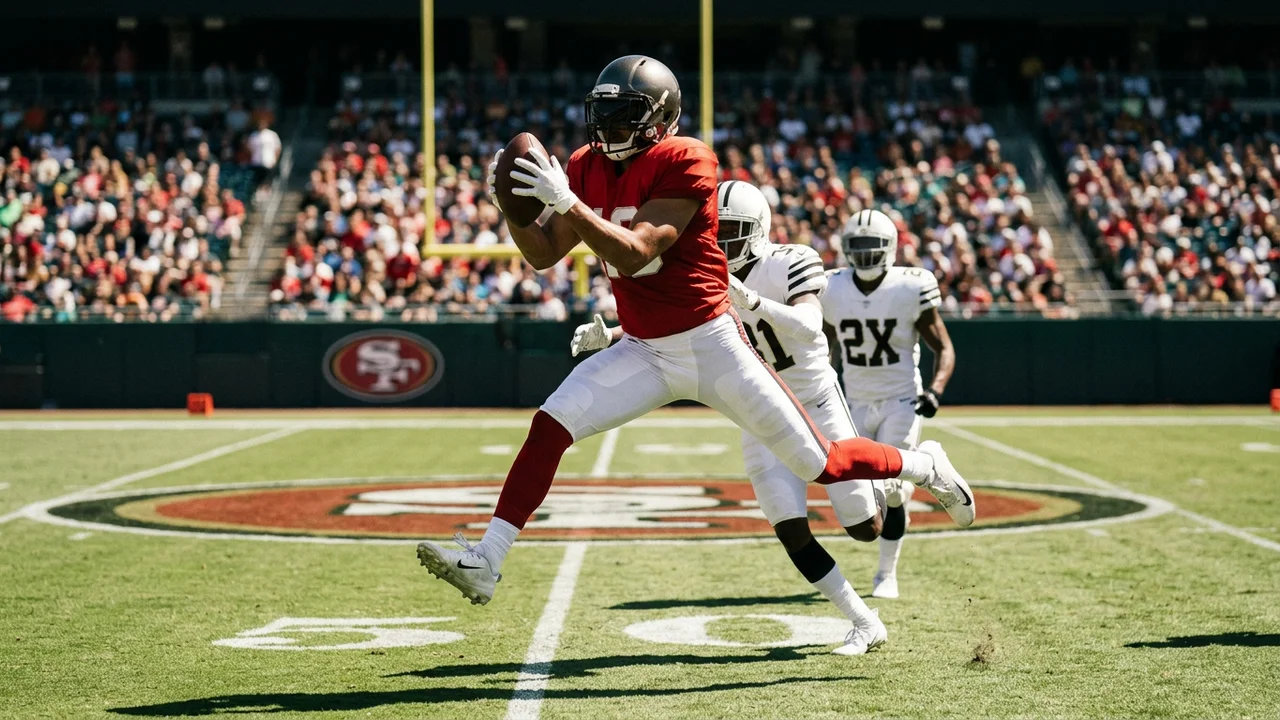
San Francisco still holds Aiyuk under contract, but his recent behavior has put the franchise in a bind as training camp looms. If Aiyuk shows up and participates, the team faces a clear financial risk: $26 million. That’s what the 49ers would owe him for 2026 if he suffers a season-ending injury in camp, according to team reports.
That’s not a number any front office can ignore. Aiyuk’s production justifies the price tag, or the 49ers wouldn’t be clinging to his contract at this level. The team now faces a trio of options: let him practice, pursue a trade, or cut him loose. Each route brings its own headaches for the salary cap and roster depth.
No one in Washington has publicly expressed interest in Aiyuk. Still, his Commanders-themed video sends a message that’s hard to miss, even if it makes the Commanders’ front office squirm. His connection to quarterback Jayden Daniels, a former Arizona State teammate, adds intrigue, but there’s no evidence this is more than wishful thinking.
Social Media Strategy or Breakdown in Representation?
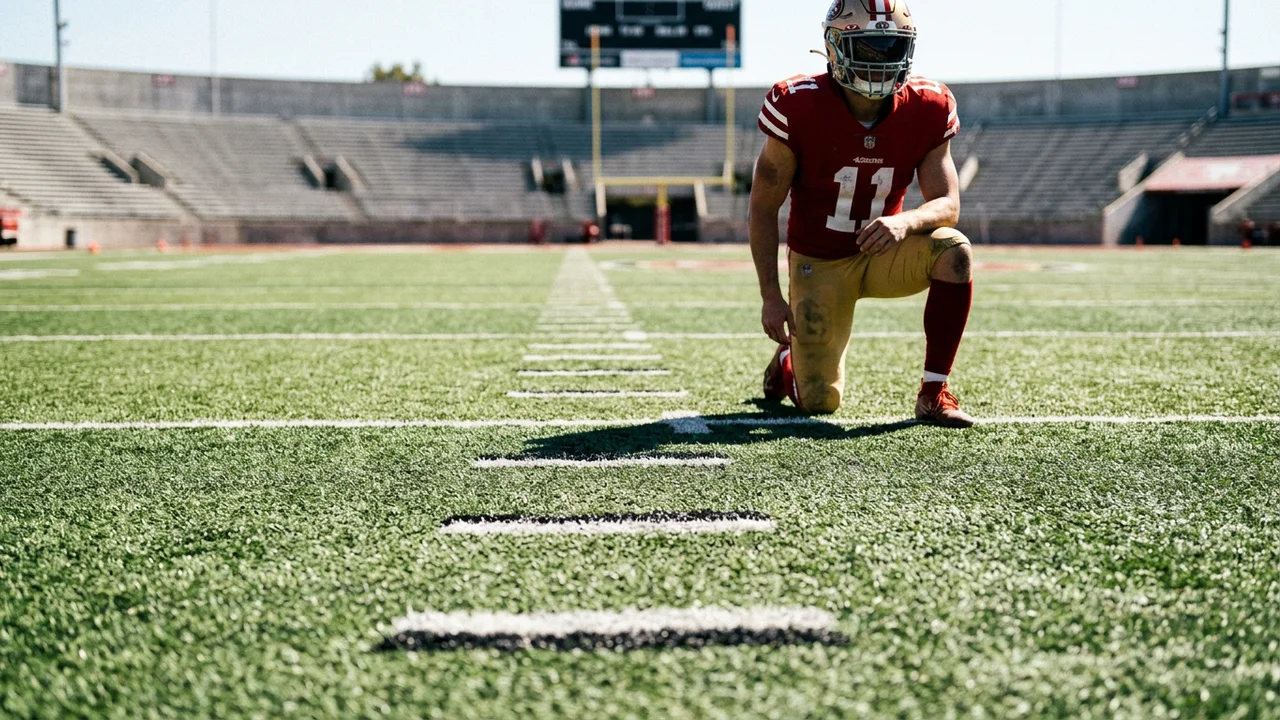
Aiyuk’s recent videos have ranged from the theatrical to the cryptic. In one deleted Instagram story, he walked into an empty closet, grabbed a backpack, and scattered cash across the floor before leaving with the bag. No teams were named, and the symbolism was left for viewers to decode. Earlier videos took direct shots at the 49ers, while others heaped praise on the Commanders. All have since vanished from his feed.
The tone and frequency of these posts raise questions about the advice Aiyuk is getting. Ryan Williams of Athletes First is still his agent, according to records. The persistence of these videos, especially when they seem to undermine his current team, points to either a calculated strategy or a disconnect between player and representation.
If Williams has advised against these posts, he faces a situation not unlike Drew Rosenhaus’s decision to drop Antonio Brown after repeated public outbursts in 2020. Agents are paid to manage both image and leverage, but there’s a breaking point if their advice keeps getting ignored. There’s no indication Williams is ready to walk away, but the comparison highlights the stakes.
Aiyuk’s pattern is unmistakable: he’s using social media to vent frustration and, perhaps, to speed up his exit from San Francisco. If this is a ploy to force a release, the open courting of another team could backfire, making potential suitors wary of a player so willing to air grievances in public.
Player-driven narratives have shifted team decisions before, but the financial and tactical stakes for the 49ers are unusually high. With training camp on the horizon. San Francisco must weigh the $26 million risk against whatever trade value remains, or the optics of cutting a productive starter.
Social media, contract guarantees, and agent-player dynamics are colliding here, shaping not just Aiyuk’s future but the moves of two NFL franchises. Whether this is a masterstroke or a miscalculation, the next move, by player, agent, or team, will have millions riding on it.
For those tracking high-profile player moves, similar situations have sparked debate about underlying strategies. Analysts have noted a trend: athletes increasingly use social media to influence negotiations and shape public perception, as explored in this breakdown of how star athletes handle public negotiations and off-field narratives: how athletes navigate off-field drama.
The 49ers’ clock is ticking. If Aiyuk steps onto the practice field, every snap could cost the team millions.


