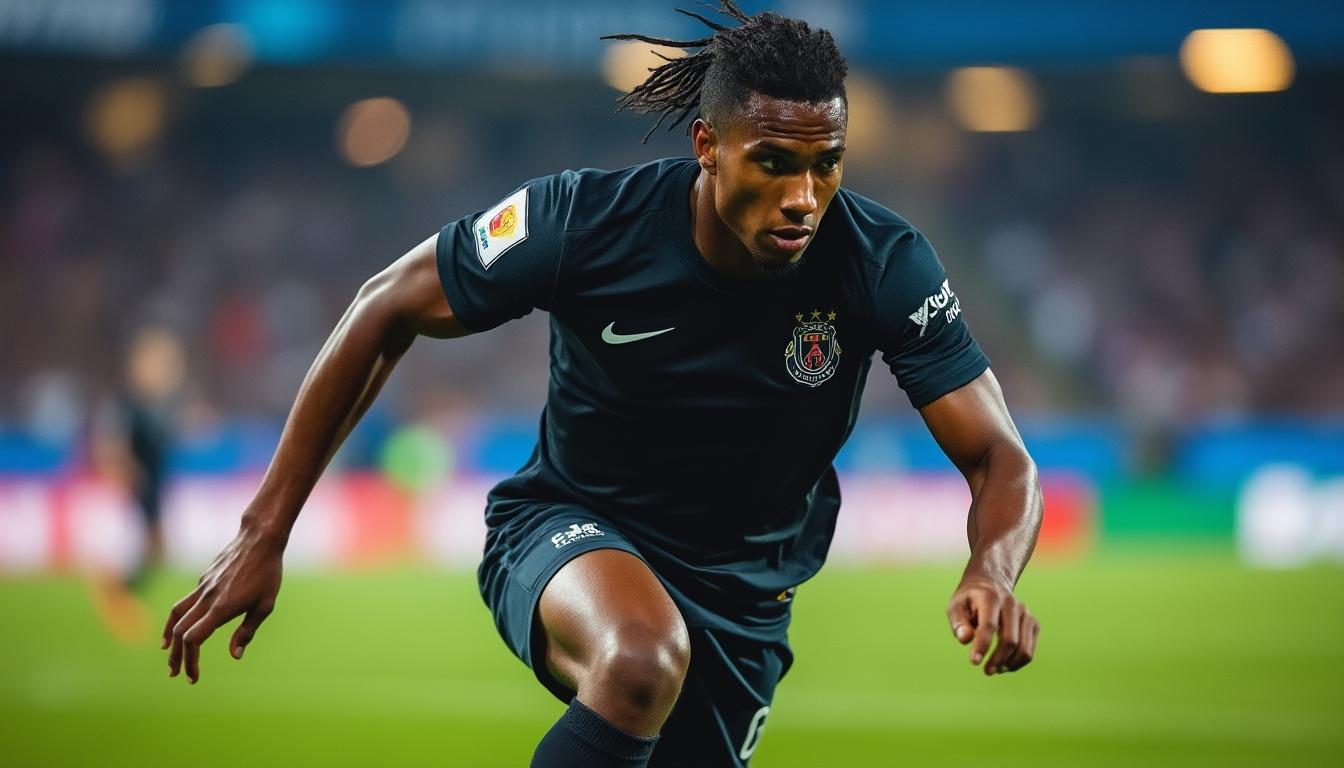

The opening phase of AFCON 2025 has unleashed a vibrant canvas where tactical innovation intersects with the raw passion historically defining African football. Teams are no longer relying solely on physical prowess or individual brilliance; instead, a cerebral evolution is shaping game plans and interaction on the pitch. Preparation matches leading into the main event have spotlighted a surge in high-intensity pressing, flexible formations, and intricate possession strategies. These elements are fundamentally altering the complexion of the competition’s early stages, with coaches experimenting boldly to lay down their football strategy as a statement more than rehearsal. The blend of traditional African fluidity with calculated tactical nuance is setting the stage for a tournament resonating with dynamic attacking play, sharp defensive tactics, and rapid shifts in match tempo that promise to captivate fans and analysts alike.
As the tournament unfolds, observers witness an explosion of creativity intertwined with discipline—from midfield build-up patterns orchestrated to maximize ball progression, to aggressive pressing systems developed to disrupt opponents’ rhythm instantly. The teams’ willingness to deploy hybrid roles and fluid formations reflects lessons learned from both continental and global football trends, creating a unique tactical amalgam tailored to the vibrant African game environment. This tactical renaissance marks the 2025 competition as not just a showcase of talent but a proving ground for the sharpest football minds, igniting battles where strategy influences outcomes and every match becomes a chess game on grass.
In brief: Key tactical trends in the opening phase of AFCON 2025
- High-intensity pressing systems: African teams have adopted aggressive pressing traps, pressing in bands to suffocate opponents and trigger quick transitions.
- Fluid and hybrid formations: Moving beyond static setups, formations adapt dynamically mid-game to balance attack and defense.
- Possession-based build-up play: Teams like Morocco and Senegal prefer controlled, multi-phase attacks to unlock defenses methodically.
- Evolving player roles: Midfielders and forwards increasingly fulfill hybrid duties, blending creativity with defensive responsibility.
- Strategic use of warm up matches: Coaches leverage friendlies as tactical testing grounds, sharpening pressing triggers and formation fluidity under game pressure.
- Integration of data and analytics: Video analysis and biometric monitoring inform pressing timing and squad rotation to maintain competitive edge.
- Rapid transitions and wide attacking plays: Explosive counter-attacks and stretching of defenses horizontally are key features in team strategies.
High-Intensity Pressing and Defensive Tactics Reshaping AFCON 2025 Opening Strategies
The rise of high-intensity pressing systems marks a significant shift in the defensive tactics deployed during the opening phase of AFCON 2025. Teams across the continent are actively embracing pressing as a weapon to regain possession swiftly and initiate rapid attacking countermeasures. Unlike earlier eras where African squads often relied on solid defensive blocks and patience, the current trend reflects a more proactive approach aiming to dominate the tempo and spatial control right from the kickoff.
Take Nigeria’s approach as a vivid example: their coordinated pressing bands compress opposing forces into predetermined trap zones, cutting off passing lanes and forcing errors in dangerous areas. This becomes more than just a reaction; it’s an orchestrated system exploiting synergy between forwards and midfielders to suffocate opponents before they can establish rhythm. The famous “Super Eagles” showcase this fusion of physicality with tactical precision, balancing pressure intensity with well-timed retreats to maintain defensive solidity.
Similarly, Morocco’s emphatic warm-up 4-0 victory over Uganda underscores the effectiveness of high pressing combined with defensive discipline. Their defenders hold a high line to limit space, supported by midfielders who aggressively intercept and block passing channels. This tactical model highlights a blend of risk and caution, typical of the most successful teams boasting adaptable defensive tactics. Other teams like Cameroon and Egypt are also expanding their pressing toolkits by layering reactive traps and calculated aggression to provoke turnovers without exposing empty spaces behind.
This trend represents a paradigm shift that goes beyond simply increasing defensive intensity. Teams today harness pressing triggers informed by meticulous scouting and data analysis, mining moments when compact collective movements maximize disruption with minimum risk. The psychological impact on opponents is profound, as constant pressure breeds mistakes and can dictate match tempo. As fans watch the opening phase unfold, the evolution towards these aggressive defensive tactics promises thrilling encounters with relentless pace and strategic depth.

Flexible Team Formations: Navigating Attack and Defense with Tactical Fluidity
The tactical landscape in AFCON 2025’s opening phase reveals a fascinating trend towards flexible and hybrid team formations. Coaches strategically avoid rigid setups, opting instead for formations that morph seamlessly between attacking and defensive postures in response to ongoing match dynamics. This fluidity is powered by player versatility and an in-depth understanding of spatial control, enabling effective management of game phases and opponent strategies.
Central to this trend is the use of rotating midfield triangles—a formation where midfielders reposition dynamically, creating constant passing outlets while maintaining positional balance. This technique not only enhances possession retention but facilitates creative progression from defense to attack. Ghana’s shift during warm-up matches from a traditional 4-3-3 into a fluid 4-4-2 diamond midfield exemplifies the disruption and tempo control that such adaptations bring. Opponents are baffled by these shifts, which mix structural discipline with inventive attacking play.
Moreover, winger roles are being redefined; during defensive phases, they retract into midfield zones to support compactness and reduce horizontal space for opponents’ wide play. This demands extraordinary fitness levels and football IQ, attributes that many African teams have cultivated rigorously during their preparation period.
The strategic flexibility embodied in these hybrid formations offers critical tactical advantages:
- Adaptive defense: Transitioning between backline shapes (including 3-4-3 or 4-2-3-1) to counteract specific threats or sustain pressure.
- Unpredictable offense: Creating multiple avenues for attack, preventing opponents from anticipating play buildup.
- Match tempo control: Adjusting formation density to manage ball possession and momentum swings effectively.
Such strategic dexterity heralds a new frontier for African football, merging tradition with innovation to navigate the fierce competition in the tournament’s initial stages. Fans keen to understand these nuances would benefit from following updates found in detailed team strategies analyses that unpack these evolving formations and their impact.
Evolving Player Roles: Hybrid Functions and Tactical Versatility in AFCON 2025
Perhaps one of the most compelling aspects of AFCON 2025’s opening phase is the transformation of player roles from rigid, position-bound responsibilities towards highly dynamic functions that demand both creative freedom and tactical discipline. This shift is reflected strongly in midfielders and forwards, who are increasingly tasked with multifaceted duties spanning offensive orchestration, pressing, and defensive cover within games.
Nigeria’s midfielders epitomize this development, operating alternatively as deep-lying playmakers to retain possession and as aggressive disruptors to regain the ball swiftly. Their ability to link defense and attack fluidly provides a tactical edge, reducing vulnerability while accelerating game tempo. Egypt’s forwards showcase another facet of this evolution by combining their technical prowess with relentless work rate, pressing opponents intensely and contributing to defense—a testament to modern football’s demand for all-round contribution.
Goalkeepers are also evolving as tactical participants, often initiating attacks through precise distribution or acting as the first “playmaker” in tighter game phases. This approach counters aggressive opposing presses and illustrates how every position is now woven into the broader tactical fabric of the team.
These role adaptations lead to:
- Enhanced unpredictability: Opponents find it harder to track players who continuously alter their positions and responsibilities.
- Improved possession stability: Multifunctional players facilitate seamless transitions and minimize turnovers.
- Heightened tactical flexibility: Coaches can adjust match strategies mid-game by deploying players with hybrid capabilities without substituting personnel.
Such versatility is fast becoming a tactical cornerstone, weaving individual brilliance with collective identity to conquer challenges in the early competition stages at AFCON 2025.
Warm Up Matches as Critical Platforms for Tactical Experimentation at AFCON 2025
The significance of warm up matches prior to AFCON 2025 cannot be overstated. Far from simple fitness exercises, these fixtures function as rigorous tactical laboratories where coaches fine-tune pressing triggers, test formation fluidity, and evaluate player combinations under competitive pressure. The warm ups have transitioned into strategic arenas that reveal evolving football strategies, providing a window into future match dynamics within the main competition.
Among the highlights is the December 14, 2025, clash between Nigeria and Egypt—a tactical showcase where pressing squares, probing attacks, and dynamic defensive transitions were tested intensively. Such games unveil more than form; they spotlight emerging stars embracing complex roles and teams adapting to rapidly changing football demands.
Key experimental themes across these friendlies include:
- Refinement of pressing triggers to pinpoint optimal collective pressure moments.
- Evaluation of fluidity in transitioning between defensive and offensive formations.
- Enhancement of rapid transition speed and coordination for counterattacks.
- Assessment of squad depth and bench players maintaining tactical coherence under pressure.
Warm up matches set the tone for the groups’ tactical contests by allowing teams to imprint their playing philosophies before millions of fans worldwide. For enthusiasts, closely analyzing these contests offers invaluable insights into the unfolding tactical patterns that will define AFCON 2025’s drama and spectacle.
| Team | Tactical Focus in Warm Ups | Key Players Tested | Notable Match Example |
|---|---|---|---|
| Morocco | High pressing, possession control | Midfield playmakers, pressing forwards | Friendly vs. Tunisia, December 2025 |
| Nigeria | Rapid transitions, pressing bands | Dynamic midfielders, versatile wingers | Nigeria vs. Egypt, December 14, 2025 |
| Egypt | Hybrid defensive pressing, possession | Flexible defenders, creative forwards | Match vs. South Africa, December 2025 |
These preparation games not only showcase evolving strategies but also help recalibrate fan expectations as team form and tactical sharpness emerge closer to the tournament kickoff, making them a must-watch for football aficionados following the strongest teams and rising contenders.
Possession and Build-Up Play: The Strategic Backbone of AFCON’s Opening Phase
Among the tactical revelations from the opening phase of AFCON 2025 is a pronounced emphasis on possession-oriented build-up play. Several teams have evolved from relying solely on direct and counter-attacking football to prioritizing methodical ball circulation designed to dismantle compact defenses.
Morocco’s approach exemplifies this transition. Their patient build-up sequence emphasizes ball retention and progressive passing starting from the goalkeeper, incorporating ball-playing center-backs and midfielders adept at controlling tempo. This intricate system frustrates opponents and controls match tempo, allowing Morocco to dictate offensive opportunities more precisely.
Senegal also demonstrates a dual strategy, blending controlled possession with bursts of rapid transition. This enables them to both maintain composure in tight areas and exploit vulnerabilities swiftly with wide attacking plays supported by wing-backs. Egypt’s midfield-oriented possession game similarly integrates creativity and direct forward runs, striking a balance between control and offensive threat.
| Team | Average Possession % | Pass Accuracy % | Build-Up Style | Key Player Roles |
|---|---|---|---|---|
| Morocco | 63% | 89% | Methodical, patient build-up from backline | Ball-playing center-backs, creative midfielders, attacking full-backs |
| Senegal | 59% | 85% | Balanced possession with fast transitions | Disciplined midfield pivot, forward-supporting wing-backs |
| Egypt | 57% | 87% | Possession with direct midfield threat | Playmaking midfielders, forward runners in wide channels |
This strategic emphasis has tangible effects on match tempo and game analysis, as possession-centric teams impose rhythm and force opponents to respond under pressure. The demand on defenders and midfielders to participate actively in build-up phases is higher than ever, reflecting a tactical sophistication well aligned with global football trends but deeply rooted in African creativity and resilience.
What tactical trend dominates AFCON 2025’s opening phase?
High-intensity pressing combined with fluid team formations is the defining tactical trend at AFCON 2025’s start, reshaping how teams approach both defense and attack.
How important are warm up matches in shaping team strategies for AFCON 2025?
Warm up matches serve as critical opportunities for teams to experiment with pressing systems, formations, and player roles, enabling coaches to refine tactics ahead of the competitive phase.
In what ways have player roles evolved in AFCON 2025?
Players now undertake hybrid functions—midfielders act as deep playmakers and disruptors, forwards contribute both offensively and defensively, and goalkeepers engage actively in build-up play.
Which teams have showcased the most tactical innovation during the AFCON 2025 warm-ups?
Teams like Morocco, Nigeria, Egypt, and Tunisia have demonstrated advanced pressing triggers, fluid formation shifts, and diversified attacking patterns.
How does possession-based football influence match outcomes in AFCON 2025?
Controlled possession and methodical build-up reduce turnovers and vulnerability to counterattacks, enabling teams to dictate match tempo and penetrate compact defenses effectively.