

The excitement is building across Africa as the AFCON 2025 tournament in Morocco approaches its decisive group matches. With all 24 teams now confirming their tournament squads, fans and analysts alike are buzzing about the strategic line-ups and player selections that will shape the fate of the African Cup of Nations. This edition, the 35th since the competition’s inception, promises high drama, skillful play, and unforgettable moments as footballing powerhouses clash with emerging nations hungry for glory. The confirmed squads reflect a blend of seasoned veterans and exciting new talents, setting the stage for a football tournament full of tension, passion, and game-changing performances.
From the host nation Morocco, securing automatic qualification, to final qualification battles that saw Mozambique clinch their spot with a last-minute 2-1 victory over Guinea-Bissau, each team’s journey has been marked by intense preparation and determination. These team updates come as decisive group matches loom, making every player’s role critical and every tactical decision under the microscope. As organizations finalize training camps and match preparation routines, the spotlight will shine brightly on player form, fitness, and chemistry.
This detailed analysis delves into the confirmed squad updates for AFCON 2025, spotlighting key players, tactical shifts, and what fans can expect in the tournament’s crucial phase. Whether it’s powerhouse teams like Nigeria, Egypt, and Senegal adjusting their squads or underdogs such as Botswana and Tanzania stepping up to the challenge, each update tells a story of ambition and resilience. Get ready to dive into the heart of African football, where every pass, tackle, and goal counts toward continental glory.
In brief:
- All 24 teams for AFCON 2025 confirmed, with Mozambique winning the last qualification spot.
- Hosts Morocco qualified automatically, joining strong teams like Côte d’Ivoire, Egypt, and Senegal.
- Notable returns include Botswana after a 12-year hiatus, while Tanzania and Mozambique made hard-fought entries.
- Team updates focus on a mix of experienced leaders and rising stars, affecting decisive group match dynamics.
- Match preparation routines emphasize fitness and tactical readiness essential for the upcoming tournament phases.
AFCON 2025 Confirmed Squad: The Finalised Team Rosters That Set the Stage
The confirmation of the full squads for AFCON 2025 arrives as a major milestone in the tournament’s journey. With the tournament scheduled from 21 December 2025 to 18 January 2026 in Morocco, each team’s roster now reflects carefully crafted strategies tailored to the high stakes of this continental showdown. These selected players will carry the hopes of their nations into what promises to be a fiercely contested football tournament.
One cannot overlook how these squads balance seasoned veterans with emerging talents, a crucial factor influencing team chemistry and tactical flexibility. For example, Nigeria, traditionally a powerhouse, unveiled a 54-man provisional squad before narrowing down choices to showcase stars like Victor Osimhen, whose clinical finishing has proved vital in qualifiers, and Wilfred Ndidi, known for his defensive prowess. Meanwhile, Côte d’Ivoire brings veterans galvanized by past successes, bracing for another hard run at the title.
Other nations have embraced transformations. Botswana’s return after a 12-year hiatus signals a renewed football culture eager to disrupt established hierarchies, while Tanzania and Mozambique demonstrate the continent’s increasing depth with their impressive road to qualification. Their squads blend homegrown heroes with players who have gained valuable experience internationally, an important factor in tournament-level competition.
Team officials and coaching staff have been meticulous with player selection, often influenced by recent form and fitness, as well as tactical systems designed to maximize each player’s strengths. Calls have not been without controversy; the exclusion of some veterans has sparked debates, emphasizing the passionate investment fans have in their national teams. The pressure to excel is immense as each squad prepares to face the challenge of decisive group matches where early missteps could end championship aspirations.
Below is a table summarizing the 24 confirmed nations, emphasizing their qualification paths and notable squad highlights:
| Team | Qualification Basis | Key Squad Highlight |
|---|---|---|
| Morocco (Hosts) | Automatic qualification | Balanced mix of experienced and young players |
| Côte d’Ivoire | Top qualifiers | Veteran leaders with continental title experience |
| Senegal | Top qualifiers | Strong attacking line-up with Premier League stars |
| Nigeria | Qualified via group stage | Provisional 54-man squad narrowing to top talents |
| Mozambique | Final qualification spot | Emerging talents blending youth and experience |
| Botswana | Qualified after 12 years | Comprehensive squad rebuild, focus on youth |
| Egypt | Top qualifiers | Mix of legends and promising new stars |
| Others (21 teams) | Diverse qualification paths | Range of tactical approaches and squad blends |
Each of these squads has tailored their line-ups for the unique challenges presented by the tournament’s 24-team format. Tackling decisive games in the group phase requires balanced offensive firepower and defensive solidity, and these confirmed squad selections reflect a clear understanding of this balance as teams prepare for battle.
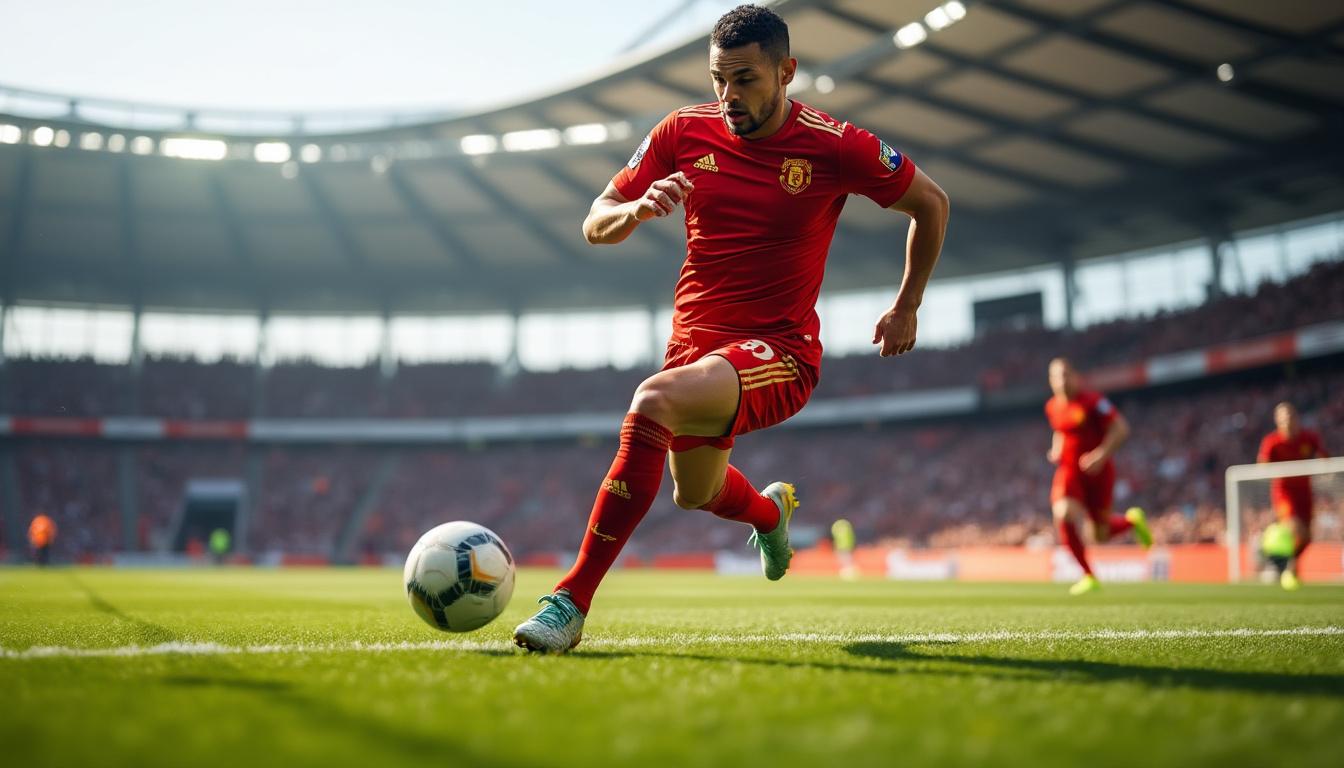
Strategic Team Updates: Tactical Evolution Ahead of Decisive Group Matches
With group matches about to commence, tactical nuances in the confirmed squads are under intense scrutiny. Coaches across Africa are reworking formations and player roles to suit opponents’ strengths and weaknesses, making each update a critical piece in the puzzle to winning the African Cup of Nations. The dynamics of squad depth are pivotal, as tactical flexibility can make or break a team’s progress.
Consider how teams like Tunisia and South Africa are integrating versatile midfielders capable of both breaking opposition lines and controlling tempo. These tactical adjustments reflect an understanding of modern football demands, where adaptability is as crucial as raw talent. The balance between attacking flair and defensive resilience is on full display, with coaches keen to maintain discipline in decisive games.
The warm-up matches leading into AFCON 2025 showcased rising stars who’ve forced their way into final squads, altering the tactical landscape. Such player inclusions signal evolving team identities. For instance, Gabon has incorporated a blend of youthful exuberance and experienced leadership to enhance their strategic options, while DR Congo’s squad prioritizes physicality and pace upfront.
Match preparation has become a science; teams employ detailed video analysis and scouting to anticipate the challenges posed by each group opponent. This level of detailed preparation illuminates why the major football fixtures heading into AFCON carry palpable tension as these decisive phase matches loom large in public consciousness.
In shaping their line-ups, coaches have taken calculated risks by debuting young talents. Such decisions reflect football’s constant evolution in Africa, where emerging players can influence tournaments and become legends overnight. Teams that manage to harness this energy alongside their stalwarts typically forge deeper runs in the knockout stages.
Key elements shaping tactical team updates:
- Player fitness: Ensuring peak performance through focused physical preparation.
- Versatility: Deploying multi-role players to switch tactics mid-game.
- Experience vs youth: Balancing reliable veterans with energetic newcomers.
- Opponent analysis: Tailoring game plans to neutralize threats effectively.
- Mental resilience: Preparing squads for the pressure of decisive group matches.
This tactical fusion promises exciting football and offers a glimpse into the evolving fabric of African football culture, blending tradition and innovation on the continental stage.
Emerging Stars and Veteran Leadership: Player Selection Impacts on AFCON 2025
Player selection for AFCON 2025 is more than just about choosing the best talents. It is a delicate balance between injecting youthful energy and relying on seasoned veterans who know how to thrive in high-pressure environments. The squads confirmed reflect this duality, which is crucial for enduring the pressure cooker atmosphere of the tournament.
Standout performers from the qualifiers have earned their spots, including players from Europe’s top leagues who bring a heightened skill level and tactical understanding. For example, Victor Osimhen for Nigeria, famed for his agility and finishing skills, could well be the difference in tight, decisive games. In contrast, veterans like Egypt’s star midfielders provide the calm and composure that often define championship runs.
Beyond star names, the rise of players from less heralded leagues showcases the deepening talent pool in African football. For instance, Botswana’s squad features young talents who have developed through local and regional competitions, signaling a new era of competitive balance. National team coaches have embraced these players, recognizing the hunger and fresh perspectives they bring.
These personnel decisions provide each team with the flexibility to employ multiple tactical schemes during the tournament. It’s this blend of fresh legs and battle-hardened minds that fuels the excitement for the coming decisive group matches. As history shows, sometimes the most unexpected heroes emerge when the pressure peaks – and AFCON 2025’s confirmed squads are fertile ground for such stories.
Match Preparation and Tournament Readiness: How Teams Gear Up for African Cup of Nations Challenges
Every football tournament is a test of nerves, stamina, and strategic acumen but preparing for the African Cup of Nations is particularly complex due to the tournament’s demanding schedule and diverse conditions. All confirmed squads for AFCON 2025 have adopted rigorous match preparation plans designed to peak at the right moment – during the decisive group matches and beyond.
From intensive training camps in Morocco to friendly matches scaling up in difficulty, teams have focused on acclimatization, tactical drills, and psychological readiness. These preparations include scouting opponents’ formations and individual player tendencies to tailor counter-strategies. Match preparation for AFCON has evolved remarkably, with data analytics now playing a crucial role.
Hydration and recovery management also take center stage in ensuring player availability for back-to-back games in a condensed tournament format. Coaches liaise with medical teams to monitor players’ physical conditions while strategizing rest periods to avoid burnout. The blend of science and tradition in match preparation highlights Africa’s footballing progress.
Fans looking for comprehensive data on upcoming fixtures and tournament schedules can explore detailed updates at major football fixtures outlets that track not only matches but also the nuanced squad movements and tactical adjustments leading into each game.
The Crucial Clash Looms: What the Confirmed Squads Mean for Group Match Outcomes
The pressure cooker atmosphere of AFCON 2025 group matches means that every squad decision carries weight. Confirmed squad updates signal which teams have sharpened their competitive edges, adjusted tactical plans, and fielded players in form capable of delivering results in these decisive games. The tournament’s structure—with six groups of four teams—intensifies the urgency; only the top two from each group plus three best third-place teams will proceed, making every match a high-stakes battle.
Top contenders like Senegal and Egypt have finalised squads focused on resilience and offensive potency. Senegal’s attack, loaded with Premier League talents, will test defenses with fast transitions and technical superiority. Egypt’s blend of experience and youthful vigor ensures they can adapt dynamically under pressure.
Meanwhile, surprise packages such as Mozambique and Botswana enter with nothing to lose, ready to disrupt established rankings by playing fearless football. Their confirmed squad updates reflect this intensity, mixing young players who thrive under pressure with strategic leadership.
Fans can anticipate dramatic moments, from last-minute goals to tactical masterclasses where managers’ decisions decide progression or elimination. The confirmed squads thus set the framework for thrilling battles, giving a glimpse into the future of African football where passion and precision meet in electrifying group matches.
With so much on the line, these decisive group matches will undoubtedly define team fortunes and shape legacies. The confirmed squad updates for AFCON 2025 underscore that every detail matters, every selection counts, and the continent’s best are ready to deliver unforgettable football.
What is the significance of the confirmed squads at AFCON 2025?
The confirmed squads represent the final selection of players who will compete in AFCON 2025, reflecting strategic choices by coaches to balance experience and fresh talent for the tournament’s demands.
How do the updated squads impact the group matches?
Updated squads influence team tactics, adaptability, and player roles, which are crucial in the high-stakes group stage where every match outcome affects progression to knockout rounds.
Which teams have shown notable squad changes for AFCON 2025?
Teams like Nigeria, Botswana, Mozambique, and Gabon have introduced young talents alongside veterans, signaling fresh tactical approaches and renewed competitive ambitions.
Where can fans follow the detailed AFCON 2025 fixtures and squad updates?
Fans can follow the latest information including fixtures, squad news, and analysis at major football fixtures websites such as aflfootball.com.
How is match preparation evolving for AFCON 2025?
Match preparation now combines traditional training with data analysis, intensive scouting, fitness monitoring, and psychological readiness to optimize performance throughout the tournament.


