

The final squad updates as of 24 November 2025 have sent ripples through the AFL community, marking a transformative period where draft moves and trade deals have intricately redefined the rosters for the 2026 season. Every AFL club has undergone significant reshaping, with thrilling player transfers and strategic team roster changes delivering new dynamics on and off the field. Clubs have not only focused on immediate performance boosts but have also balanced long-term planning by tapping into emerging talents and recalibrating veteran lineups. From blockbuster trades that captured headlines to nuanced selection shifts through late pick swaps and rookie promotions, the landscape of Australian football is poised for a competitive and electrifying 2026 season.
This pivotal off-season period encapsulates more than just numbers and names; it tells stories of ambition, heartbreak, and renewal. The draft week at Marvel Stadium, bustling with tension and drama, showcased clubs leveraging every asset to secure promising futures. Simultaneously, the trade period unfolded like a high-stakes chess game where clubs positioned themselves to either chase glory or rebuild foundations. As the dust settles, fans eagerly analyze how these final moves will translate into on-field success, marveling at how deft list management and daring decisions could tip the premiership race. The 2026 AFL season will be witness to the fruits of such exhaustive efforts, with fresh faces, strategic veterans, and revitalized clubs ready to etch new chapters in the sport’s rich tapestry.
In brief:
- The 24 November final squad updates reveal extensive draft and trade activity reshaping every AFL club’s playing list for 2026.
- Late pick swaps and live trading strategies played vital roles in positioning clubs for immediate impact and long-term growth.
- Revised Draft Value Index rules intensified the cost and planning around matching bids for academy and father-son players.
- Key player transfers included blockbuster trades, surprise delistings, and high-profile rookie draft picks influencing club depth.
- The intricate balance of veteran experience and emerging talents sets the stage for a thrilling 2026 AFL Premiership season.
How Late Pick Swaps Transformed AFL Club Lists Ahead of the 2026 Season
Late pick swaps emerged as one of the most compelling forces behind club list reshaping in the 2025 AFL Draft cycle, concluding just before the final squad updates on November 24. These strategic exchanges, often finalized within tight windows or moments before selections were locked, enabled clubs to recalibrate not only the quantity but the quality of their draft holdings. The fluid nature of these swaps added layers of unpredictability and opportunity, compelling list managers to become masters of timing and negotiation.
Essendon exemplified a particularly aggressive approach, capitalizing on their multiple early picks (notably #5 and #6), to maneuver through the draft and enhance their targeting of impact players. Through carefully orchestrated trade-offs involving later picks such as #21, #26, and #30, the Bombers orchestrated a remodeling of their squad, balancing immediate talent needs with depth across positions. This type of transactional mastery reflects a deep understanding of draft capital value, executed with precision to secure key prospects vital for future success.
Other powerhouses such as Carlton and Adelaide displayed contrasting but equally effective tactics. Carlton, holding picks #9 and #11, engaged in a blend of moving up the order for niche talents while also trading down to amass higher volume in later rounds. Adelaide’s patient, balanced swap strategy—maximizing picks like #16, #48, and #55—focused on merging immediate reinforcement with sustainable list development. This nuanced shuffle highlights the gamble and art in list-building, where clubs weigh the immediate versus long-term dividends of each decision.
- Strategic targeting of specific draft prospects sliding down the order.
- Maximizing draft capital by bundling and unbundling picks via late swaps.
- Reacting dynamically to new information through the live trading format.
- Balancing premiership windows with rebuilding phases via pick equity.
- Mitigating risks associated with rookie development and salary cap compliance.
| Club | Key Early Picks | Late Pick Swap Strategy | Notable Outcomes |
|---|---|---|---|
| Essendon | 5, 6, 21, 27, 30 | Aggressive up-trading, consolidating talent | Secured top-end draft targets, deepened midfield |
| Carlton | 9, 11, 43 | Balanced expansions and premium targeting | Added flexibility through diverse skill sets |
| Adelaide | 16, 48, 55 | Patient swaps supporting list balance | Reinforced depth and key positional cover |
| West Coast Eagles | 1, 2, 13 | Selective trades retaining early picks | Focused on securing elite midfielder and key forward |
| Melbourne | 7, 8, 37 | Cluster trades targeting mid-draft talent | Focused on versatility and youth development |
Late pick swaps have moved beyond mere draft day gestures, surfacing as a critical strategic lever that clubs wield to cement competitive advantages. The new terrain demands that recruiters, coaches, and list managers maintain real-time awareness across multiple pick values and talent pools, making draft day a pulsating battleground. Fans can now follow these developments closely through specialized coverage like the AFL draft pick swaps news portal which brings clarity to these often complex maneuvers.
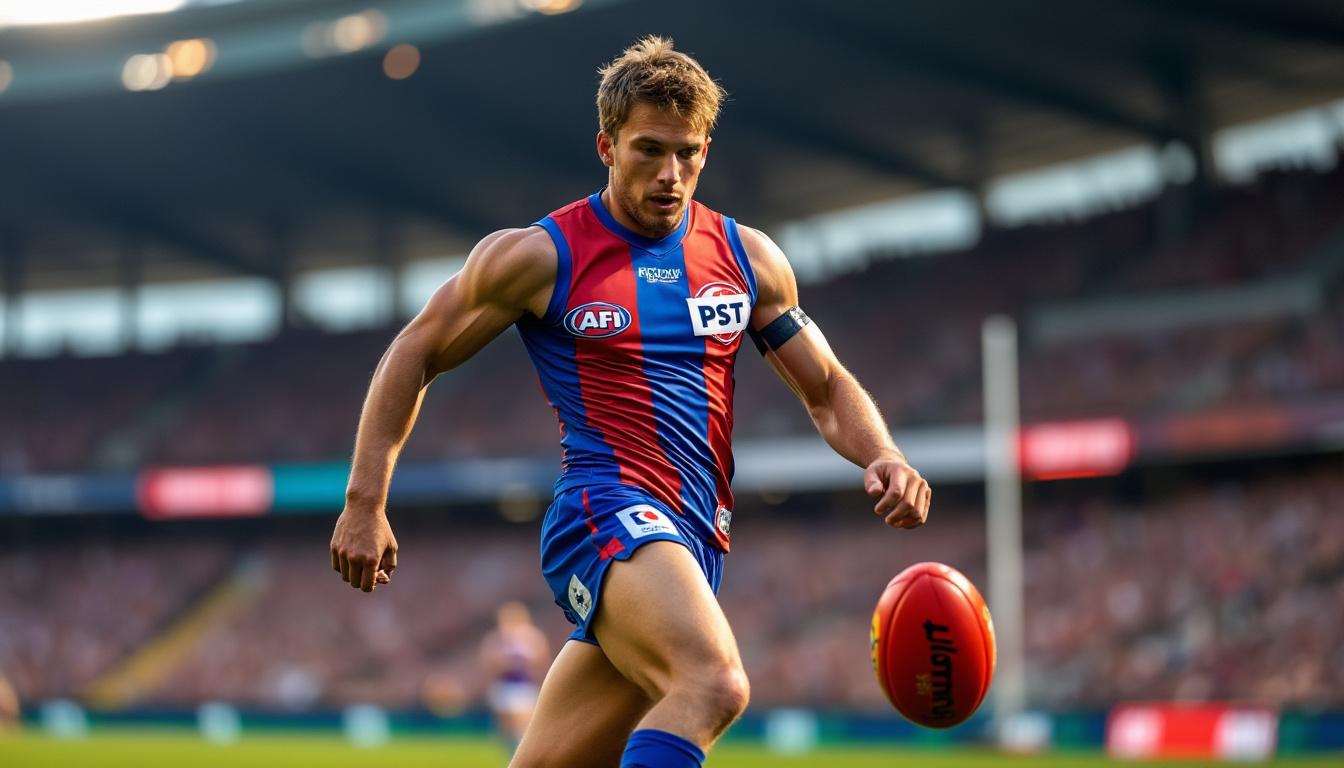
Revamped Draft Value Index: Heightened Stakes for Bid Matching in the 2026 AFL Draft
The 2026 season list reshaping was significantly influenced by the restructured Draft Value Index (DVI), specially engineered to balance fairness with elite talent retention. This revamped system tightened the points available for bids and introduced reduced discounts for clubs matching dad-son or academy player bids. With the discount for first-round bid matching cut from 20% to 10% and the overall points scale compressed, clubs confronted an intensified calculus surrounding draft capital allocation.
This evolution had clubs reconsider their list-building blueprints deeply. Rather than relying on clusters of mid-range picks to secure prized bid players, clubs now prioritize acquiring premium early picks or package exchanges to meet the new valuation threshold. The lowered deficit ceiling – dropping from 1723 to 1167 points – further challenged recruiters’ resourcefulness in balancing available picks against high-value bids.
- Increased cost and strategy pressure for academy and father-son player retention.
- Necessity for optimized pick bundling and asset packaging to match bids.
- Greater transparency and equity across the draft pool to curb undervaluation.
- Heightened fan anticipation observing clubs’ bid matching drama during draft events.
- Elevated importance of high draft positions to maintain competitive advantage.
| Draft Pick | DVI Value 2024 | DVI Value 2025 | Point Difference |
|---|---|---|---|
| Pick 1 | 3000 | 3000 | 0 |
| Pick 18 | 1723 | 1167 | -556 |
| Pick 36 | 499 | 317 | -182 |
| Pick 54 | 29 | 14 | -15 |
The practical impact is evident in real scenarios. For instance, clubs with promising academy draftees or father-son prospects needed to reevaluate whether their current pick inventory sufficed or if trade maneuvers were necessary to bridge the gap. This reshaped the competitive dynamics of the 2025 AFL draft, elevating the stakes beyond raw player potential to include point economics and asset dexterity.
The DVI changes also introduced a new layer of suspense on draft night. With fan eyes riveted on the ticking clock of matching offers, every call and trade was scrutinized for its long-term implications on clubs’ championship prospects. Such intricacies enhance the game’s strategic depth, offering supporters a richer narrative from the draft room to the stadium terraces.
Live Trading and Future Picks: Expanding the Tactical Arsenal in AFL List Building
Live trading and the liberty to trade future picks have forged an expanded tactical toolbox for AFL clubs navigating the 2026 roster construction. This evolution transforms the draft from a static event into a dynamic marketplace, where agility and foresight are rewarded with roster advantage.
The impact of live trading is palpable, as clubs can instantly respond to unforeseen draft developments, leapfrogging rivals, or alternatively, trading down to scoop more selections. For example, Adelaide’s 2025 strategy involving multiple trades to adjust draft positions mid-event spotlighted how instant pivoting can target coveted players or buffer against roster risks. Simultaneously, future pick trading introduced continuous risk-reward evaluation, with clubs trading this year’s assets for next year’s or beyond, betting on improvements in their ladder position or draft depth over time.
- Real-time adjustments fostering proactive draft positioning and talent acquisition.
- Strategic gamble on future draft prospect pools and club performance timelines.
- Opportunity to ease salary cap pressures through deferred pick investments.
- Heightened excitement and unpredictability during draft day proceedings.
- Increased pressure on recruiter analytics and forecasting precision.
| Club | Live Trading Highlights | Future Pick Trades Focus | Strategic Considerations |
|---|---|---|---|
| Adelaide | Multiple mid-draft swaps to secure young talent | Balanced immediate impact with future draft capital | Calculated risk management for squad depth |
| Gold Coast Suns | Active in live trade for volume picks | Trading future picks to accelerate youth development | Balancing premiership window and rebuild |
| Melbourne | Used live trading to upgrade lower picks | Conservative future pick approach | Focus on immediate roster versatility |
Such moves also showcase the behind-the-scenes tension between drafting for now versus building for later, a dynamic well chronicled in the clubs managing changing lists coverage. The conclusion is a more malleable draft format, demanding nimble brains as well as sharp instincts.
Player Transfers and Delistings: Key Movements That Shaped Club Rosters
The countdown to the December squad finalization was marked by high-profile player transfers and clearout delistings, weaving fresh narratives for club trajectories. The notable trade of Christian Petracca to the Gold Coast Suns was a blockbuster move that transformed Gold Coast’s midfield complexion while signaling Melbourne’s pivot towards youth and versatility. Similarly, Carlton’s sending of Charlie Curnow to the Sydney Swans ignited rivalry talk and highlighted strategic positional recalibration across multiple clubs.
On the delisting front, several clubs parted ways with untried and established players to create room for fresh talent and manage salary cap constraints. Essendon’s decision to delist midfielder Will Setterfield despite injury challenges reflected the harsh business side of list management, while Richmond CEO’s farewell to Thomson Dow after six years spoke of tough choices amid intense competition for senior roles.
- Blockbuster trades recalibrating squad strengths and positional hierarchies.
- Delistings clearing pathways for rookie draft opportunities and list rejuvenation.
- Player movements triggering ripple effects in club culture and fan sentiment.
- Balance of veterans departing and youth players stepping up in prominence.
- Strategic off-season rebuilding directed at salary cap compliance and on-field success.
| Club | Major Player Transfer | Notable Delisting | Implications |
|---|---|---|---|
| Gold Coast Suns | Christian Petracca (in) | None major reported | Bolstered midfield with elite experience |
| Melbourne Demons | Christian Petracca (out) | Clayton Oliver (out) | Reconfiguring star roles and youth emphasis |
| Sydney Swans | Charlie Curnow (in) | None major reported | Added key forward strength and contested mark |
| Essendon | None major in | Will Setterfield (delisted) | Space opened for rookie selections and cap management |
| Richmond | None major in | Thomson Dow (delisted) | Reducing list depth for structural reshaping |
For fans tracking every movement and their impact, detailed reports such as Brisbane Lions player departures and delisting summaries provide comprehensive insight into team evolution. These moves culminate in a tapestry of narratives that shape the 2026 playing fields and fan expectations.
Rookie and Pre-Season Drafts: The Quiet Architects of Club Depth for 2026
While the national draft and trade window capture the headlines, the rookie and pre-season drafts quietly sculpt the depth charts essential for navigating the grueling AFL season. The 2025 rookie draft saw around two dozen signings, highlighting the dual role of nurturing emerging talent and recapturing delisted players who retain developmental promise or positional utility.
Rookie-listed players carry a strategic benefit as their paid contracts do not fully count towards club salary caps, allowing savvy list managers to maintain quality depth while managing financial constraints. In practical terms, rookie selection is a savvy tool for clubs aiming to hedge against injuries and provide match-day flexibility without loading the salary ballasts.
- Providing alternate recruitment pathways for overlooked or developing talents.
- Preserving salary cap flexibility and list size compliance.
- Fostering competition within squads to elevate performance levels.
- Allowing clubs to monitor performance before committing to senior list promotion.
- Offering second chances to players with potential for resurgence in AFL careers.
| Club | Rookie Draft Players Added | Pre-Season Draft Picks | List Management Impact |
|---|---|---|---|
| Essendon | 3 | 1 | Improved secondary depth, financial effectiveness |
| Brisbane Lions | 4 | 0 | Focused on youth replenishment |
| Gold Coast Suns | 2 | 1 | Extended developmental pathways |
| Richmond | 1 | 0 | Continued list trimming with potential upside |
Keeping an eye on rookie and pre-season selections is a must for those keen on the emerging talents who could define the next generation’s success stories. Coverage from the Young AFL Talents 2025 series vividly illustrates these promising pathways as AFL clubs embrace both grit and potential.
What are the main reasons for late pick swaps in the AFL Draft?
Late pick swaps allow clubs to dynamically adjust draft positions, target specific players, manage salary caps, and react in real-time to the evolving draft landscape, thus optimizing their recruitment strategy.
How does the new Draft Value Index impact bid matching on Academy players?
The revamped Draft Value Index reduces points available and discounts for bid matching, making it more costly for clubs to secure academy or father-son players, requiring better draft capital management and strategic trade-offs.
What is the significance of live trading during the AFL Draft?
Live trading transforms the draft into a fluid, strategic event allowing clubs to negotiate pick exchanges in real-time, enabling unexpected moves up or down the order to secure critical talent or enhance list depth.
How do rookie drafts support AFL club list management?
Rookie drafts enable clubs to sign developing or delisted players without heavily impacting salary caps while bolstering squad depth and allowing gradual player integration into senior ranks.
Why are future pick trades considered risky by AFL clubs?
Future pick trades involve uncertainty about future draft pools and club performance; clubs gamble by trading current assets for potential future gains, which may not materialize as expected, introducing risk in list planning.


